Hydraulic technology plays a critical role in powering machines used across industries such as manufacturing, construction, agriculture, and material handling. Among the many components that make hydraulic systems work efficiently, pumps are one of the most important. A widely used pump design in hydraulic systems is the hydraulic internal gear pump, known for its reliability, smooth operation, and consistent fluid delivery.
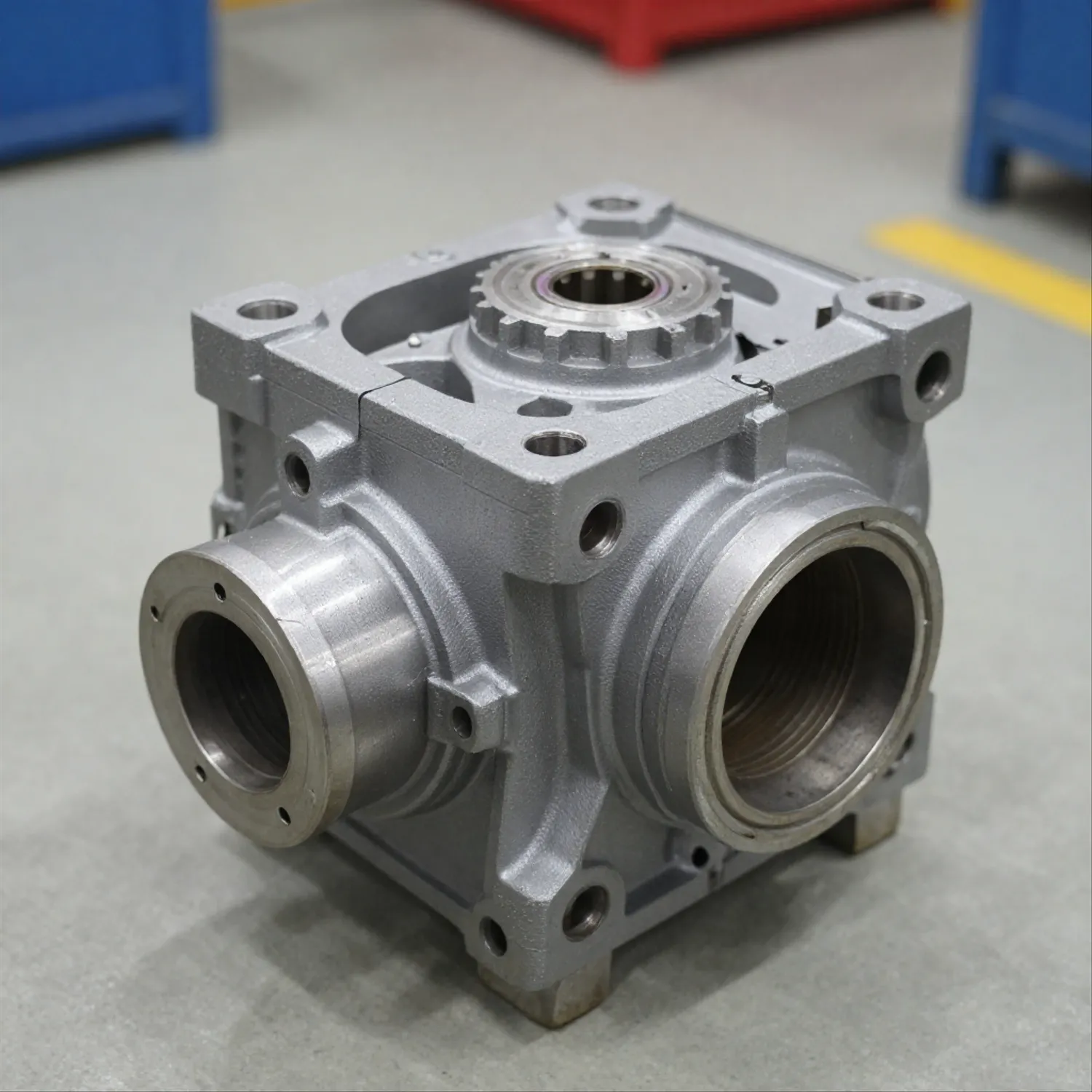
The hydraulic internal gear pump is designed to move hydraulic fluid through a system by using two interlocking gears. This design ensures stable pressure and steady fluid flow, which are essential for powering actuators, motors, and other hydraulic components. In modern applications, these pumps often work alongside technologies such as the servo drive hydraulic pump, compact power units like small hydraulic motors, and various gear pump configurations including the internal and external gear pump.
Understanding how these components function together helps engineers design efficient hydraulic systems capable of delivering reliable performance in demanding environments.
What Is a Hydraulic Internal Gear Pump?
A hydraulic internal gear pump is a positive displacement pump that uses two gears—an inner gear and an outer gear—to move hydraulic fluid through the pump housing. The inner gear rotates inside the outer gear, creating expanding and contracting chambers that draw fluid in and push it out under pressure.
The basic working principle involves three main stages:
- Hydraulic fluid enters the pump inlet.
- Rotating gears trap the fluid between the gear teeth and housing.
- The fluid is transported to the outlet where it is discharged under pressure.
Because of this design, the hydraulic internal gear pump provides smooth, continuous flow with minimal pulsation. This makes it suitable for systems that require stable hydraulic pressure and precise fluid movement.
Internal and External Gear Pump Designs
Gear pumps are generally classified into two main types: internal gear pumps and external gear pumps. Together, they are often referred to as the internal and external gear pump family.
External gear pumps use two identical gears that mesh together and rotate inside a housing. As the gears rotate, they carry hydraulic fluid around the outside of the gear teeth from the inlet to the outlet.
In contrast, the hydraulic internal gear pump features one gear rotating inside another larger gear. This arrangement allows fluid to move smoothly through the pump with less turbulence and lower noise levels.
Both designs have advantages depending on the application. External gear pumps are known for simplicity and durability, while internal gear pumps offer smoother flow and improved efficiency in certain hydraulic systems.
Integration with Servo Drive Hydraulic Pump Technology
Modern hydraulic systems are increasingly integrating electronic control technologies to improve efficiency and performance. One such innovation is the servo drive hydraulic pump.
A servo drive hydraulic pump uses a servo motor and electronic controller to regulate pump speed according to system demand. Instead of running continuously at full speed, the pump adjusts its output dynamically.
When a hydraulic internal gear pump operates with servo control technology, several advantages can be achieved:
- improved energy efficiency
- precise hydraulic pressure control
- reduced system noise
- lower heat generatio
This combination is particularly beneficial in automated machinery and industrial equipment that require precise motion control.
Hydraulic Motors and Pump Systems
Hydraulic pumps and motors work together to transfer energy within a hydraulic circuit. While pumps convert mechanical energy into hydraulic energy, motors perform the opposite function.
Hydraulic motors use pressurized fluid to generate rotational mechanical motion. Many machines rely on these motors to drive mechanical components.
Businesses often search for hydraulic motors for sale when building or upgrading hydraulic systems. These motors are used in equipment such as conveyors, drilling machines, agricultural tools, and construction machinery.
When paired with a hydraulic internal gear pump, hydraulic motors receive a stable and consistent flow of pressurized fluid, allowing them to operate smoothly and efficiently.
Small Hydraulic Motors for Compact Applications
In many machines, space and weight limitations require compact components. This is where small hydraulic motors become particularly useful.
Small hydraulic motors provide reliable rotational power in applications where larger motors would be impractical. Despite their size, they can deliver impressive torque and power.
Common applications include:
- mobile machinery
- agricultural equipment
- compact construction tools
- automated industrial devices
A hydraulic internal gear pump can efficiently supply fluid to these compact motors, allowing them to operate with consistent speed and torque.
Advantages of Hydraulic Internal Gear Pumps
The hydraulic internal gear pump offers several benefits that make it a preferred choice for many hydraulic systems.
Smooth Fluid Flow
Internal gear pumps produce minimal pulsation, providing steady hydraulic pressure.
Quiet Operation
Compared with some other pump types, internal gear pumps operate with lower noise levels.
High Efficiency
The design allows efficient fluid transfer with reduced energy loss.
Reliable Performance
Internal gear pumps are known for durability and consistent operation.
Versatile Applications
They can be used in both mobile and stationary hydraulic systems.
These advantages make internal gear pumps suitable for a wide variety of industrial and mobile equipment.
Applications of Hydraulic Internal Gear Pumps
The hydraulic internal gear pump is used in many industries where reliable hydraulic power is required.
Typical applications include:
- construction machinery
- agricultural equipment
- industrial automation systems
- manufacturing machines
- material handling equipment
- mobile hydraulic systems
In these systems, the pump provides the hydraulic pressure needed to power motors, cylinders, and other components.
The integration of technologies like the servo drive hydraulic pump further enhances system efficiency and control.
Maintenance and System Reliability
Like all hydraulic components, internal gear pumps require proper maintenance to ensure long-term reliability.
Routine maintenance tasks may include:
- monitoring hydraulic fluid quality
- inspecting pump seals and housing
- checking system pressure levels
- ensuring proper lubrication
- replacing filters when necessary
Maintaining clean hydraulic fluid is especially important, as contamination can damage the gears and reduce pump performance.
Regular inspection and maintenance help extend the lifespan of the hydraulic internal gear pump and ensure consistent system performance.
Future Trends in Hydraulic Pump Technology
Hydraulic technology continues to evolve as industries demand more efficient and intelligent systems. Advances in electronics, sensors, and control technologies are transforming traditional hydraulic designs.
Future developments may include:
- increased use of servo drive hydraulic pump systems
- smart monitoring sensors for predictive maintenance
- improved gear pump designs for higher efficiency
- integration with automated control systems
These innovations will help hydraulic systems become more energy-efficient and easier to manage.
Conclusion
The hydraulic internal gear pump is an essential component in many hydraulic systems, providing reliable and efficient fluid power for a wide range of industrial and mobile applications. Its ability to deliver smooth, consistent hydraulic flow makes it a preferred choice for many engineers and equipment manufacturers.
When integrated with technologies such as the servo drive hydraulic pump, compact solutions like small hydraulic motors, and complementary pump designs within the internal and external gear pump category, internal gear pumps contribute to highly efficient hydraulic systems.
As industries continue to adopt advanced automation and energy-efficient technologies, the hydraulic internal gear pump will remain a key element in delivering dependable hydraulic power for modern machinery.