Hydraulic systems have traditionally been associated with strength and durability, but modern applications demand far more than raw force. Today’s machines are expected to respond instantly, operate efficiently, and deliver consistent performance under varying conditions. This shift has driven the widespread adoption of intelligent pump technology, particularly the servo driven hydraulic pump, which represents a major evolution in how hydraulic power is generated and controlled.
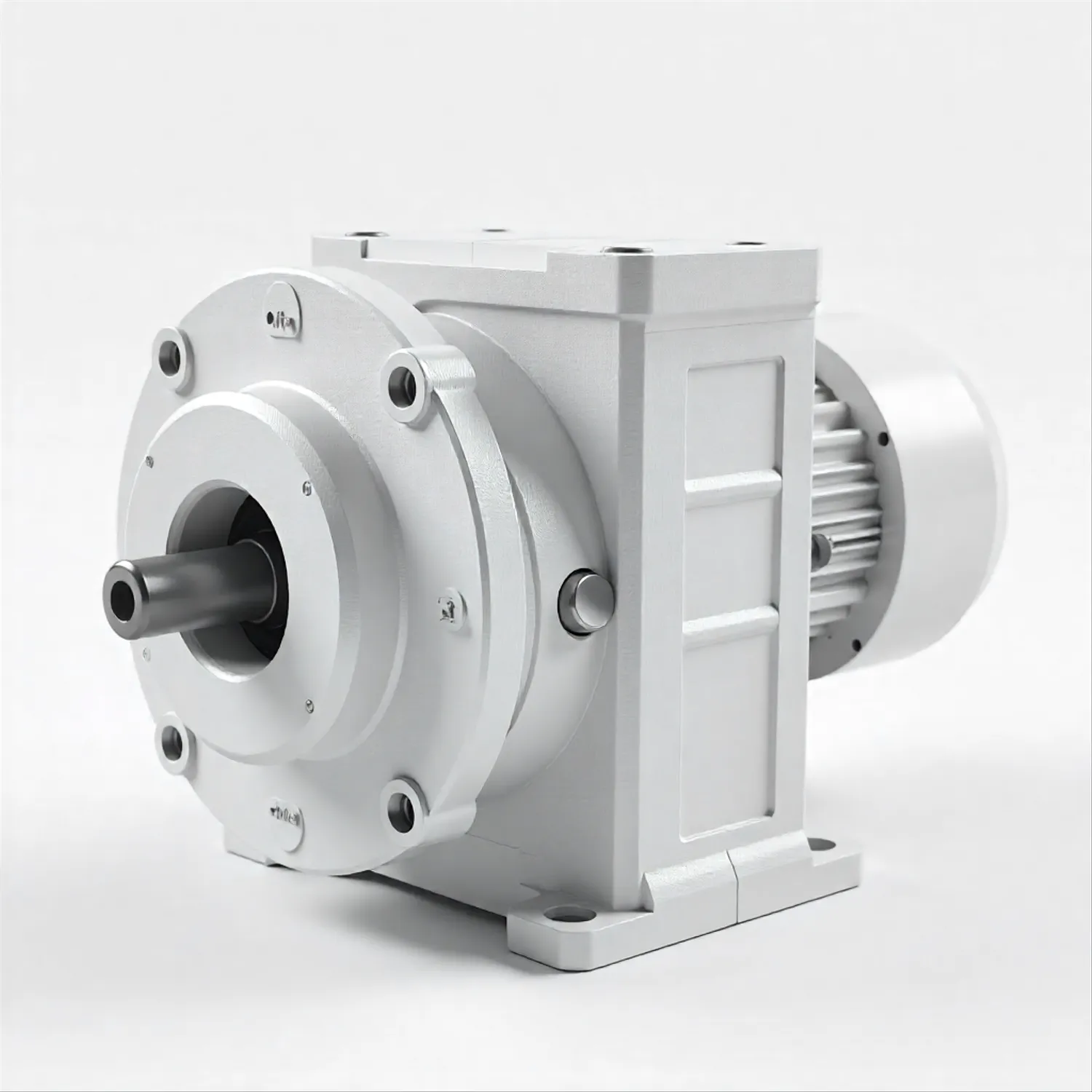
Unlike conventional pumps that run continuously at fixed speeds, a servo motor hydraulic pump adjusts its output dynamically. Instead of forcing excess flow through valves or dissipating energy as heat, the pump responds precisely to real-time demand. This allows the system to generate only the pressure and flow required at any given moment, resulting in smoother motion, lower energy consumption, and improved operational stability.
The real advantage of a servo motor driven hydraulic pump becomes evident in applications where load conditions change frequently. Presses, injection systems, automated handling equipment, and precision test rigs all benefit from this responsiveness. The servo motor adjusts speed and torque instantly, eliminating the lag often associated with traditional hydraulic systems. This level of control allows hydraulics to compete with electromechanical solutions while retaining their superior power density.
Another critical benefit lies in energy efficiency. Conventional hydraulic systems often waste power by maintaining constant pressure regardless of demand. Servo-driven pumps eliminate this inefficiency by matching output to system requirements. Reduced power draw directly translates into lower operating costs, less heat generation, and extended oil life. Over time, this significantly reduces maintenance requirements and increases component longevity.
Noise reduction is another often overlooked advantage. Since the servo driven hydraulic pump operates only when necessary and at optimized speeds, overall system noise is substantially reduced. This improves workplace conditions and makes servo-driven hydraulics suitable for environments where noise control is important.
From a system design perspective, servo pump technology simplifies hydraulic architecture. Because flow and pressure are controlled at the pump level, the need for complex throttling circuits is reduced. This results in cleaner system layouts, improved reliability, and easier troubleshooting. When paired with modern control software, servo motor hydraulic pumps enable predictive diagnostics and performance monitoring, allowing operators to detect issues before they escalate.
Manufacturers such as THM Huade design servo-driven hydraulic solutions that focus on real-world performance rather than theoretical efficiency alone. Their approach emphasizes reliability, compatibility, and long-term system stability. As industries continue to pursue automation and energy efficiency, servo-driven hydraulic pump systems are no longer an upgrade—they are becoming the new standard.