A hydraulic internal gear pump is a highly efficient positive displacement pump widely used in industrial and mobile hydraulic systems. Known for its smooth flow, quiet operation, and compact design, this pump type is ideal for applications requiring stable pressure and consistent performance.
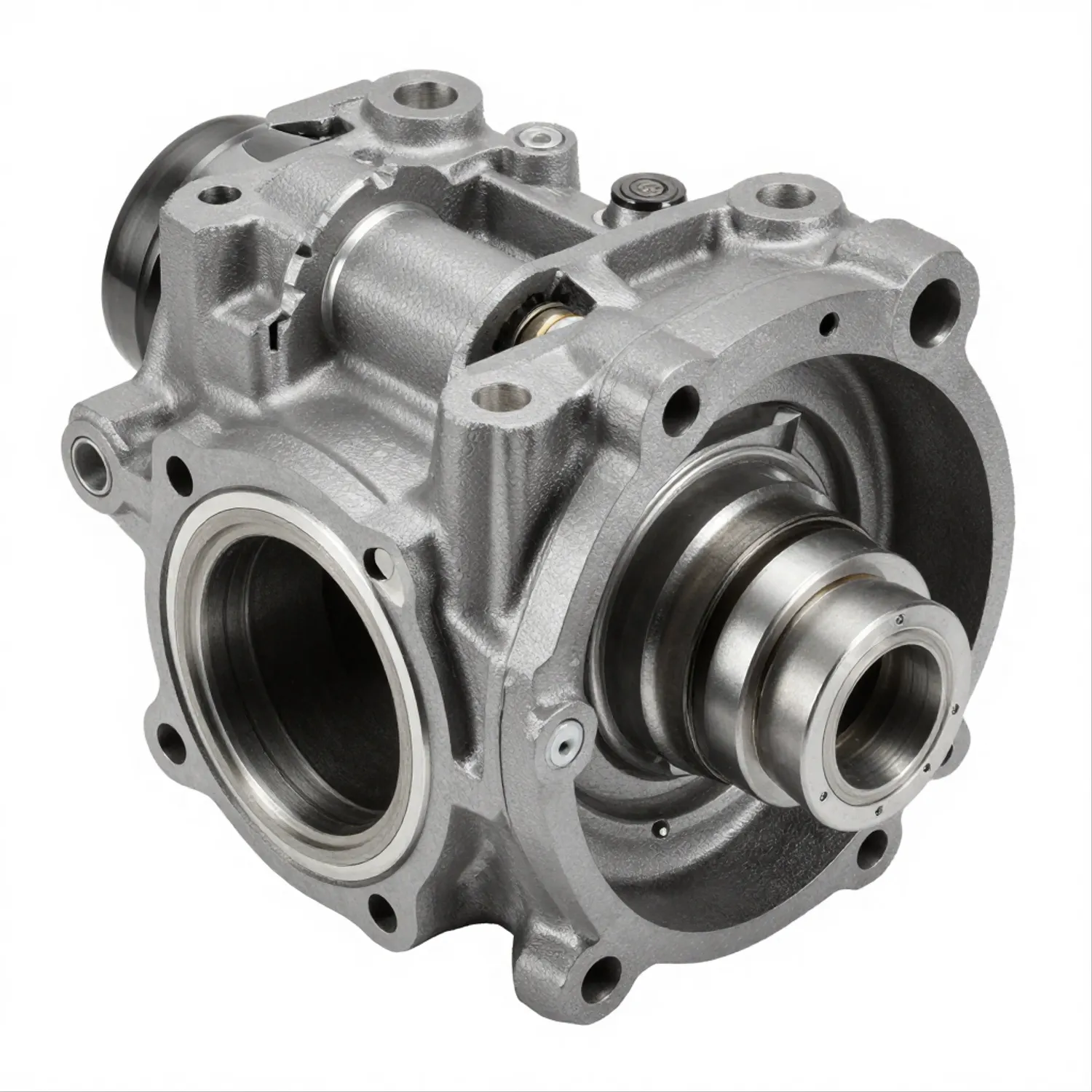
Whether integrated into a servo drive hydraulic pump system, paired with small hydraulic motors, or compared with internal and external gear pump configurations, the hydraulic internal gear pump remains a trusted solution across industries.
What Is a Hydraulic Internal Gear Pump?
A hydraulic internal gear pump operates using two meshing gears:
- An internal gear (ring gear with internal teeth)
- An external gear (drive gear inside the ring gear)
As the gears rotate, hydraulic fluid is drawn into the expanding cavities and carried around to the discharge port. The fluid is then forced out under pressure as the gears mesh again.
This design produces:
- Smooth, low-pulsation flow
- High volumetric efficiency
- Reduced noise levels
- Compact installation size
These characteristics make hydraulic internal gear pumps ideal for precision hydraulic systems.
Advantages of Hydraulic Internal Gear Pumps
1. Quiet Operation
Compared to many pump designs, internal gear pumps generate less vibration and noise, making them suitable for indoor industrial environments.
2. High Efficiency
Their tight internal clearances reduce leakage, ensuring excellent volumetric performance even at varying pressures.
3. Compact Design
The pump structure allows integration into space-limited equipment.
4. Stable Flow Output
Low pulsation ensures consistent system performance and smoother actuator movement.
Hydraulic Internal Gear Pump vs. Internal and External Gear Pump
When comparing internal and external gear pump designs, several differences stand out:
Internal Gear Pump
- Quieter operation
- Lower flow pulsation
- Higher efficiency at moderate pressures
- Better suited for precision systems
External Gear Pump
- Simpler design
- Often lower cost
- Suitable for higher-pressure applications
- More common in basic hydraulic systems
Choosing between an internal and external gear pump depends on system requirements, operating pressure, noise tolerance, and budget considerations.
Integration with Servo Drive Hydraulic Pump Systems
Modern hydraulic systems increasingly combine internal gear pumps with servo motor technology, forming a servo drive hydraulic pump setup.
In this configuration:
- A servo motor controls pump speed
- Flow output matches system demand
- Energy consumption decreases
- Heat generation is reduced
By adjusting speed dynamically, the servo drive hydraulic pump eliminates the need for constant-speed operation. This not only improves efficiency but also enhances precision in motion control applications.
Compatibility with Small Hydraulic Motors
Hydraulic internal gear pumps work efficiently alongside small hydraulic motors in compact or mobile systems.
Applications include:
- Light industrial machinery
- Agricultural equipment
- Compact construction tools
- Portable hydraulic power units
The smooth and consistent flow provided by the internal gear pump ensures stable performance of small hydraulic motors, reducing vibration and extending component lifespan.
Hydraulic Motors for Sale and System Matching
When evaluating hydraulic motors for sale, it is important to match motor specifications with pump output characteristics.
Proper matching ensures:
- Balanced pressure and flow
- Optimal efficiency
- Reduced wear
- Improved system longevity
Hydraulic internal gear pumps are often selected because they provide predictable flow rates, simplifying motor selection and system design.
Common Applications
Hydraulic internal gear pumps are widely used in:
- Injection molding machines
- Metal forming equipment
- Material handling systems
- Industrial presses
- Mobile hydraulic units
- Servo-controlled hydraulic systems
Their versatility makes them suitable for both stationary and mobile equipment.
Energy Efficiency and Cost Benefits
When integrated into a servo drive hydraulic pump system, internal gear pumps can significantly reduce energy consumption.
Benefits include:
- Lower electricity usage
- Reduced cooling requirements
- Less hydraulic oil degradation
- Decreased maintenance frequency
Over time, these advantages lead to substantial operational cost savings.
Maintenance and Reliability
Hydraulic internal gear pumps are known for durability, but regular maintenance ensures optimal performance:
- Monitor oil cleanliness
- Replace filters regularly
- Check seals and clearances
- Inspect for unusual noise or vibration
Proper lubrication and clean hydraulic fluid are critical to maintaining long service life.
Conclusion
A hydraulic internal gear pump is an efficient, compact, and reliable solution for modern hydraulic systems. Whether used in a servo drive hydraulic pump configuration, paired with small hydraulic motors, or compared against internal and external gear pump designs, it delivers smooth performance and energy efficiency.
For industries seeking dependable hydraulic power with reduced noise and improved precision, the hydraulic internal gear pump remains a top-tier choice.