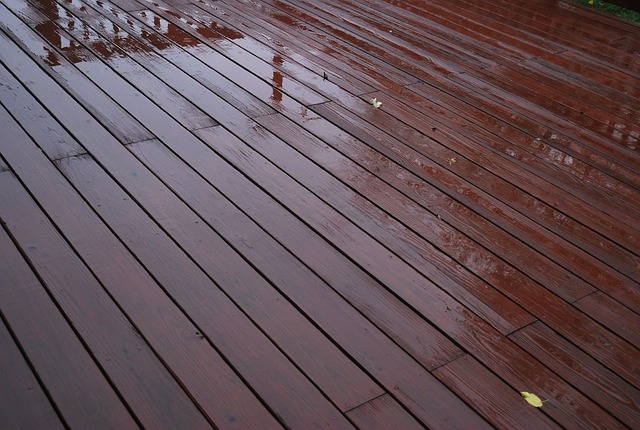
Decking is a popular choice for enhancing your outdoor living space, providing a perfect setting for relaxation and entertainment. When it comes to selecting the right material, the two primary options are composite and traditional timber. Each comes with its unique set of advantages and disadvantages, influencing your decision based on your specific needs, preferences, and budget.
This article will explore the pros and cons of composite and traditional timber decking, giving you a comprehensive understanding of both materials. It will explore factors like durability, maintenance, aesthetic appeal, environmental impact, and cost, helping you make an informed choice.
Traditional Timber Decking
Pros:
- Natural Aesthetic: One of the main reasons homeowners choose traditional timber is its natural beauty. The organic grains, textures, and colors of wood can create a warm, inviting ambience that blends seamlessly with outdoor environments. The authenticity of wood can also add significant value to your property.
- Versatility: Timber can be cut, shaped, and stained to meet various design specifications, allowing for a high degree of customization. Whether you prefer a rustic look or a sleek, modern style, wood can be tailored to suit your vision.
- Initial Cost: Generally, the upfront cost of traditional timber is lower compared to composite decking. This makes it an attractive option for those with budget constraints. Different types of wood have different price points, allowing homeowners to select a material that fits their financial plan.
- Ease of Repair: If a wooden board gets damaged, it is relatively easy to replace it without needing to redo the entire deck. This can save time and money in the long run. Repairs and replacements are straightforward and often do not require specialized tools or expertise.
Cons:
- Maintenance: Timber decks require regular maintenance, including sanding, staining, and sealing, to protect them from the elements and maintain their appearance. This ongoing upkeep can be time-consuming and costly.
- Durability: Wood is susceptible to rot, mold, and insect damage, particularly if not properly maintained. This can significantly shorten the lifespan of a timber deck. Even with maintenance, wood can deteriorate over time, requiring periodic board replacement.
- Environmental Impact: The use of wood can have a significant environmental impact, especially if the timber is not sourced sustainably. Deforestation and the depletion of natural resources are major concerns. When choosing timber, it's important to look for certifications like FSC (Forest Stewardship Council) to ensure it is sustainably harvested.
- Weathering: Wood can splinter, warp, and fade over time due to exposure to sunlight, rain, and fluctuating temperatures. This weathering process can affect the deck's appearance and structural integrity. Protective coatings can help, but they need to be reapplied regularly.
Composite Decking
Pros:
- Low Maintenance: Composite decking requires minimal maintenance. Unlike wood, it doesn’t need sanding, staining, or sealing. Regular cleaning with soap and water is usually sufficient to keep it looking new.
- Durability: Composite materials are designed to withstand harsh weather conditions and resist rot, mold, and insect damage. They are typically more durable than traditional timber and can last longer with less upkeep. High-quality composite decking can have warranties extending up to 25 years or more.
- Environmental Benefits: Many composite decking materials are made from recycled plastics and wood fibers, making them an eco-friendly choice. Additionally, choosing composite decking can help reduce the demand for virgin timber and promote sustainable practices.
- Consistent Appearance: Composite decking is available in a wide range of colors and textures that mimic the look of wood without inconsistencies. It won’t fade, splinter, or warp, ensuring a consistent appearance over time.
Cons:
- Initial Cost: The initial investment for composite decking is generally higher than for traditional timber. This can be a deterrent for budget-conscious homeowners. However, when considering the reduced maintenance costs over time, composite decking can be more economical in the long term.
- Temperature Sensitivity: Composite materials can become quite hot in direct sunlight, making them uncomfortable to walk on with bare feet during the summer months. Some manufacturers offer heat-resistant options, but this can add to the cost.
- Appearance: While composite decking has improved in terms of aesthetics, some purists argue that it still lacks the natural beauty and feel of real wood. The synthetic appearance can be a drawback for those seeking an authentic timber look. Close inspection may reveal a difference in texture and sheen compared to natural wood.
- Weight: Composite boards are heavier than timber, which can make installation more challenging. This might require additional structural support and increase the overall cost and effort involved in building the deck. The weight can also affect transportation and handling during installation.
Making the Best Choice for Your Decking Needs
Both composite and traditional timber decking offer distinct advantages and drawbacks. Traditional timber is ideal for those who appreciate natural beauty and are prepared for regular maintenance. Its versatility and lower initial cost are appealing, but the potential for weathering, rot, and insect damage must be considered. Composite decking is perfect for homeowners seeking a low-maintenance, durable option that is also environmentally friendly. While it has a higher initial cost, its reduced need for maintenance and extended lifespan can be more cost-effective in the long run. Consider your climate, lifestyle, and how you plan to use your outdoor space to make the best choice for your decking needs.