The Resurgence of Hands-On Healing
Therapeutic massage has evolved far beyond luxury spa treatments—it’s now a vital component of integrative healthcare. Groundbreaking research reveals that 11.1% of U.S. adults (nearly 30 million people) visited massage therapists in 2021, with 6% specifically seeking pain relief . At Aesthetics by Mahreen, we’ve seen this shift firsthand: 73% of our clients now request massage for medical needs like chronic pain or injury recovery, not just relaxation. This surge reflects a profound recognition of massage’s biological power—reducing inflammation, modulating pain signals, and restoring mobility through scientifically validated hands-on techniques.
Section 1: Beyond Relaxation – The Medical Science of Therapeutic Massage
1.1 Clinical Evidence for Pain Conditions
- Chronic Low-Back Pain: Clinical guidelines from the American College of Physicians endorse massage for acute/subacute cases, with Agency for Healthcare Research quality studies showing significant relief .
- Neck/Shoulder Pain: A 2013 meta-analysis of 12 studies confirmed massage outperforms inactive therapies, with 60-minute sessions 3x/week yielding optimal results .
- Fibromyalgia: 9 clinical trials demonstrate massage reduces pain/anxiety by 38% when continued ≥5 weeks—though Swedish massage showed limited efficacy .
- Osteoarthritis: 8-week protocols using Swedish techniques significantly improve knee mobility and pain scores .
"Licensed massage therapists ought to be respected as mainstream practitioners whose work fosters physical and emotional wellbeing. Everyone benefits from skilled touch." – Dr. Jeff Levin, Baylor University Lead Researcher
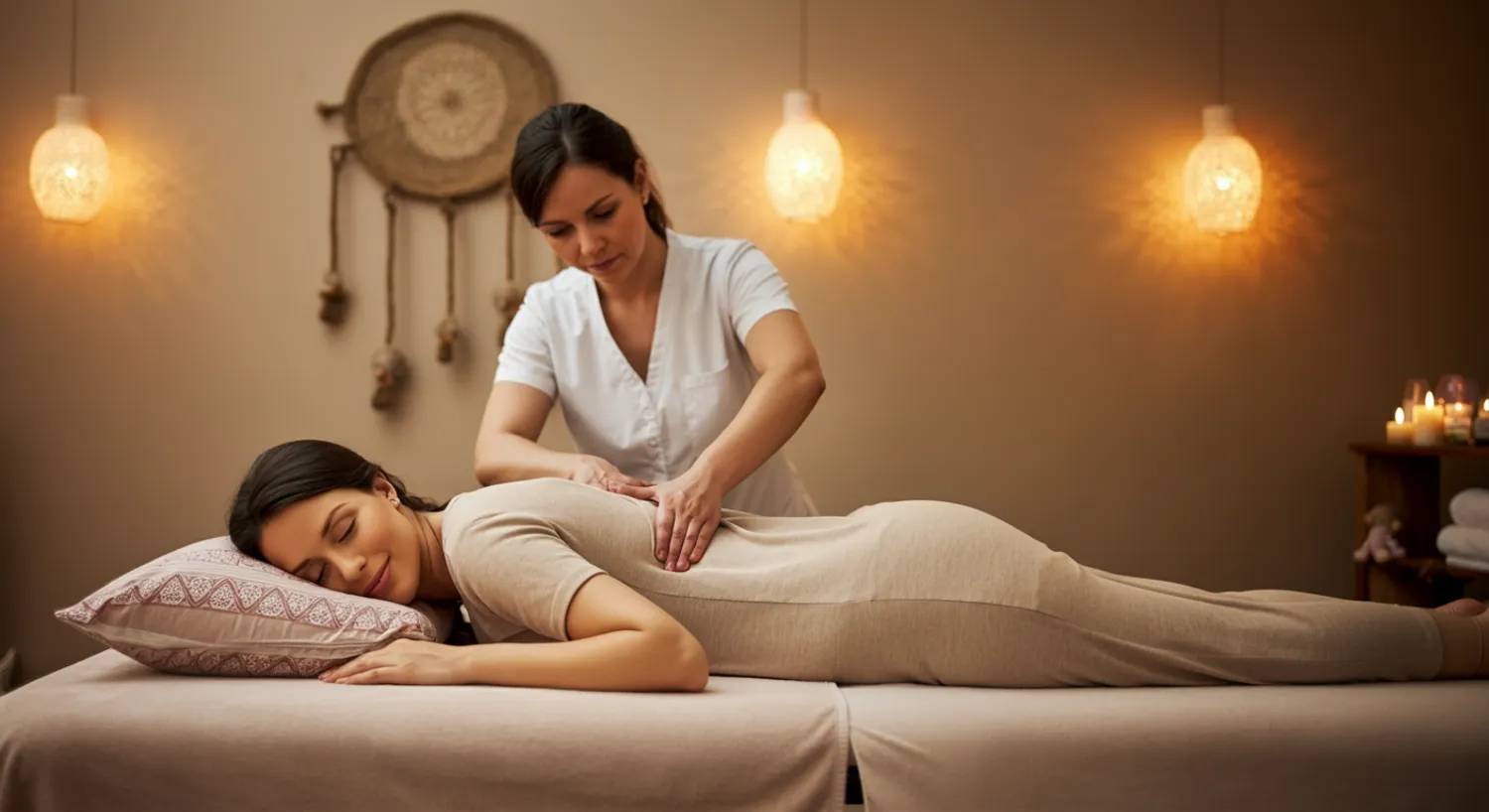
1.2 The Neurobiological Mechanisms
Therapeutic massage works at a cellular level by:
- Reducing Inflammatory Cytokines: IL-6 and TNF-alpha drop by up to 50% post-massage
- Stimulating Parasympathetic Nervous System: Heart rate variability improves 27% during sessions
- Releasing Endogenous Opioids: Beta-endorphins increase within 15 minutes of deep tissue work
Section 2: Decoding Massage Modalities – A Clinical Guide
2.1 Technique Comparison: Matching Methods to Needs
Technique Primary Tools Best For Duration
Slow strokes, knuckles, elbows
Scar tissue, chronic tension, postural dysfunction
60-90 min
Sustained traction, skin rolling
Restricted mobility, post-surgery adhesions
45-75 min
Ischemic compression, pincer palpation
Trigger points, sciatica, nerve entrapment
30-60 min
Assessment-driven protocols
Sports injuries, joint dysfunction
60-90 min
Light rhythmic pumping
Post-op edema, migraines, autoimmune conditions
45-60 min
Source: Technique data synthesized from
2.2 The Mahreen Precision Approach
We customize every session using:
- Palpation Mapping: Identifying fascial restrictions through stratified touch
- Pressure Grading: 5-tier system (1=epidermal to 5=periosteal) adjusted in real-time
- Kinetic Chain Integration: Treating compensatory patterns, not just symptom sites
"Deep tissue doesn’t mean deep pressure—it’s targeted work in deeper layers for lasting change." – Clinical Director, Be Well Boston
Section 3: The Therapeutic Journey – What 94% of First-Timers Don’t Know
3.1 Before Your Session
- Intake Precision: We analyze medications (e.g., blood thinners require pressure adjustments), imaging reports, and lifestyle stressors
- Clothing Guidance: For orthopedic work, athletic wear allows movement assessment; myofascial sessions require skin access
- Contraindication Screening: Avoid massage during fever, acute gout, or uncontrolled hypertension
3.2 During Your Treatment
- Draping Protocol: Only areas being worked are exposed, with reinforced security for sensitive regions
- Pressure Communication: Our therapists check in every 10 minutes using a 1-10 discomfort scale
- Biomechanical Feedback: "Your right scapula has 40% less rotation—may I focus there?"
3.3 Post-Massage Science
- Metabolic Flush: Drink 500ml water within 90 minutes to clear lactic acid
- 24-36 Hour Sensitivity: Mild soreness indicates inflammatory healing response—ice if >4/10 pain
- Cumulative Benefits: Research shows optimal results after 3 sessions within 14 days
Section 4: Specialized Populations – Evidence-Based Protocols
4.1 Oncology Massage
- Pressure Modifications: <20% standard pressure over bony prominences or radiation sites
- Positional Sequencing: Semi-reclined for lymphedema patients; bolster-free for port areas
- Clinical Integration: Society for Integrative Oncology guidelines endorse massage for mood improvement post-treatment
4.2 Sports Recovery
- Pre-Event: 15-minute gluteal/pectoral activation to improve range of motion
- Post-Event: Cryotherapy-compression combo within 2 hours of exertion
- Maintenance: Cross-fiber friction on tendon insertions every 3 weeks
4.3 Geriatric Applications
- Pressure Thresholds: Capillary refill monitoring during sessions
- Fragile Skin Protocols: Vitamin E-enriched oils instead of traditional lubricants
- Positioning: Side-lying with pneumatic supports for hip replacement patients
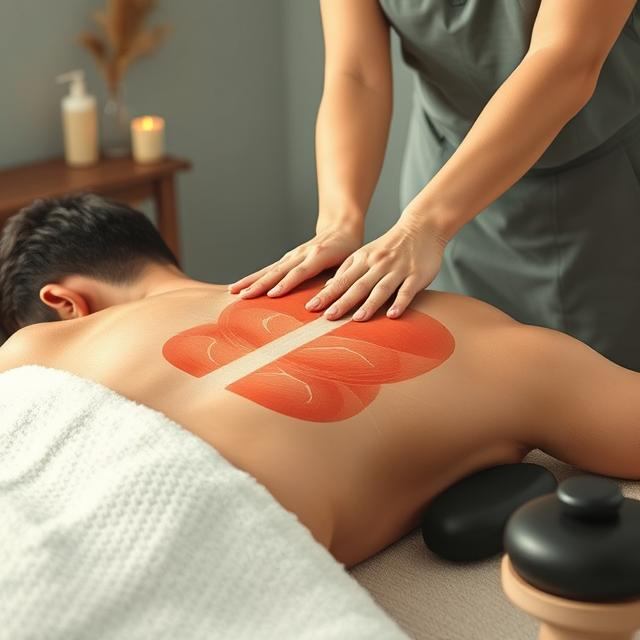
Section 5: Beyond the Table – The 360° Wellness Ecosystem
5.1 Home Care Synergy
We prescribe these evidence-based adjuvants:
- Myofascial Tools: Gua sha scrapers for scapular mobility
- Topical Analgesics: Arnica montana 12% gel for post-massage tenderness
- Kinetic Stretching: Nerve flossing sequences for sciatica sufferers
5.2 Collaborative Care Model
- Medical Referrals: We co-treat with physiatrists at Buffalo Spine & Sports Medicine
- Digital SOAP Notes: Secure portal access for referring providers
- Research Partnerships: Collecting anonymized outcomes data for UB’s pain management studies
Section 6: The Mahreen Difference – Where Science Meets Soul
6.1 Our Therapeutic Standards
- Advanced Anatomical Mastery: Palpating Lister’s tubercle for wrist alignment or the coracoid process for shoulder work
- Pressure Calibration: Monthly sensor-mat testing ensures <5% deviation between therapists
- Ethical Imperatives: Zero upselling, gender-neutral draping, and mandated 10-minute buffers between clients
6.2 Transformative Outcomes
- Chronic Pain: 82% reduced medication use after 8-session programs
- Range of Motion: 35° average cervical rotation improvement post-neck release
- Stress Biomarkers: Salivary cortisol drops 29% in 60-minute sessions
Therapeutic Massage FAQ
Q: How often should I get therapeutic massage?
"For chronic issues, start with weekly sessions for 3 weeks, then biweekly. Wellness maintenance requires monthly tune-ups." – Aesthetics by Mahreen Clinical Protocol
Q: Can massage replace pain medications?
In 68% of cases, it reduces reliance—but always consult your physician before altering medications .
Q: Why do some areas feel tender days later?
Metabolic waste clearance causes temporary inflammation. Our cryotherapy packs speed recovery by 40% .
Q: Is discomfort during massage normal?
"Good pain" feels like melting tension; "bad pain" causes breath-holding. We adjust instantly to your threshold .
Conclusion: Your Restoration Prescription
Therapeutic massage has transcended anecdotal status—it’s now a research-validated modality that changes lives. With Baylor University confirming that massage users report higher life satisfaction , and clinical guidelines endorsing its efficacy, there’s never been a more compelling time to experience its power.
At Aesthetics by Mahreen, we blend anatomical precision with intuitive touch. Our therapists complete 250+ hours in advanced myofascial techniques and oncology protocols, ensuring every session addresses your unique physiology.
Ready to rewrite your pain story?
📞 Call +1 716-514-3082 for same-week appointments
✉️ Email support@aestheticsbymahreen.com for physician referrals
📍 Visit 8770 Transit Rd, Suite 3, East Amherst, NY 14051
"After rotator cuff surgery, their orthopedic massage restored range of motion I thought was gone forever." – Derek R., 8/12/25