Introduction
When a driver is suspected of driving under the influence (DUI), law enforcement typically relies on chemical testing to measure blood alcohol content (BAC). The two most common methods are the breathalyzer test and the blood test. Both are used to estimate alcohol levels in the body, but they are not equal in terms of accuracy, reliability, or how they are viewed in legal proceedings.
Understanding the differences between these two testing methods is important for anyone researching DUI evidence or facing DUI charges. While both tests are widely accepted, courts often consider blood tests to be more scientifically precise. This is largely due to the way each test is conducted, the potential for error, and the conditions under which results are obtained.
How a Breathalyzer Test Works?
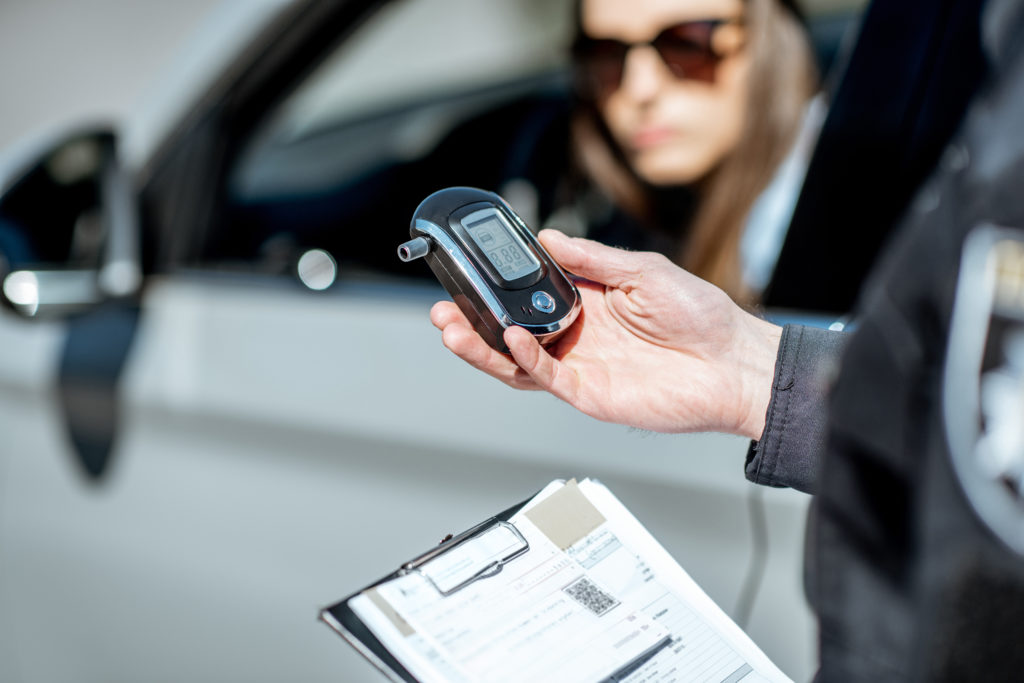
A breathalyzer test measures the amount of alcohol in a person’s breath to estimate blood alcohol concentration. When a person exhales into the device, it analyzes the air from the deep lungs, where alcohol exchange between blood and breath occurs.
Law enforcement officers commonly use portable breath testing devices during traffic stops. These devices provide quick, on-the-spot readings and help officers decide whether to make an arrest.
However, the accuracy of a breathalyzer test can be influenced by several factors:
- Improper calibration of the device
- Incorrect usage by the officer
- Residual alcohol in the mouth (from recent drinking or substances like mouthwash)
- Medical conditions such as acid reflux
- Environmental conditions like temperature and humidity
Because of these variables, breath test results are sometimes challenged in DUI cases.
How Blood Alcohol Testing Works?
Unlike breath testing, blood testing involves drawing a sample of blood from the individual and analyzing it in a laboratory. This method directly measures the actual alcohol concentration present in the bloodstream.
The process is typically handled by trained medical or forensic professionals, and the sample is tested using highly controlled scientific equipment. Because of this controlled environment, blood testing is generally considered more precise than a breathalyzer test.
Another advantage is that blood samples can be stored and retested if needed, allowing for additional verification during legal proceedings.
Why Are Blood Tests Considered More Reliable Evidence?
Blood tests are often viewed as stronger evidence in DUI cases for several key reasons:
1. Direct Measurement of BAC
A blood test measures alcohol directly in the bloodstream, whereas a breathalyzer test estimates BAC based on breath alcohol concentration. This makes blood testing inherently more accurate.
2. Reduced Risk of External Interference
Breath testing can be affected by many external factors such as air temperature, breathing patterns, or residual alcohol in the mouth. Blood testing takes place in a controlled laboratory environment, reducing the risk of contamination or interference.
3. Professional Laboratory Procedures
Blood samples are analyzed using standardized forensic procedures. Trained lab technicians follow strict protocols to ensure consistency and accuracy.
4. Chain of Custody Documentation
Blood evidence must follow a strict chain of custody from collection to analysis. This documentation helps verify that the sample was not tampered with or mishandled, increasing its credibility in court compared to a roadside breathalyzer test.
Limitations of Breathalyzer Tests in DUI Cases
While breath testing is widely used because of its convenience, it does have notable limitations that can affect its reliability in legal cases.
Calibration Issues
Breathalyzer devices must be regularly calibrated to ensure accurate readings. Improper maintenance can lead to incorrect results.
Operator Error
The accuracy of a breathalyzer test depends heavily on how it is administered. Mistakes during testing can compromise results.
Environmental Factors
Certain conditions can impact breath test results, including:
- Cold or hot weather
- Radio frequency interference
- Presence of chemicals in the environment
Timing Inconsistencies
Alcohol absorption in the body changes over time. A breath test taken shortly after drinking may not accurately reflect the actual BAC at the time of driving.
Can Breathalyzer Test Results Be Challenged?
Yes, breath test results can often be challenged in DUI defense cases. Attorneys may examine whether the test was properly conducted and whether the equipment functioned correctly.
Common legal challenges include:
- Faulty or uncalibrated devices
- Improper testing procedures
- Lack of officer training
- Failure to observe required waiting periods before testing
- Medical or physiological conditions affecting results
Because of these potential issues, a breathalyzer test is not always considered definitive proof of impairment in court.
What Happens When Breath and Blood Test Results Conflict?
In some DUI cases, both a breath test and a blood test are administered, and the results may not match. This can create significant questions about accuracy and timing.
Timing Differences
Alcohol levels in the body change over time. A breath test taken immediately after arrest may differ from a blood test taken later at a medical facility.
Rising BAC Defense
One common explanation for conflicting results is the “rising BAC” concept. This suggests that a person’s blood alcohol level was increasing at the time of driving and peaked after the initial breathalyzer test.
Which Result Carries More Weight?
In many legal settings, blood test results are generally considered more reliable due to their direct measurement and controlled testing environment. However, both types of evidence may be evaluated alongside other factors in the case.
Conclusion
Blood tests are often regarded as stronger evidence than breath tests because they provide a direct and scientifically controlled measurement of blood alcohol content. Unlike a breathalyzer test, which estimates BAC through breath analysis, blood testing is conducted in a laboratory setting with strict procedures and documentation.
However, neither test is flawless. Both breath and blood test results can be influenced by procedural errors, timing issues, or other variables. For this reason, DUI evidence is typically evaluated in its full context rather than relying on a single test alone.
Understanding the differences between these testing methods is essential for anyone reviewing DUI procedures or seeking clarity on how chemical testing is used in legal cases.