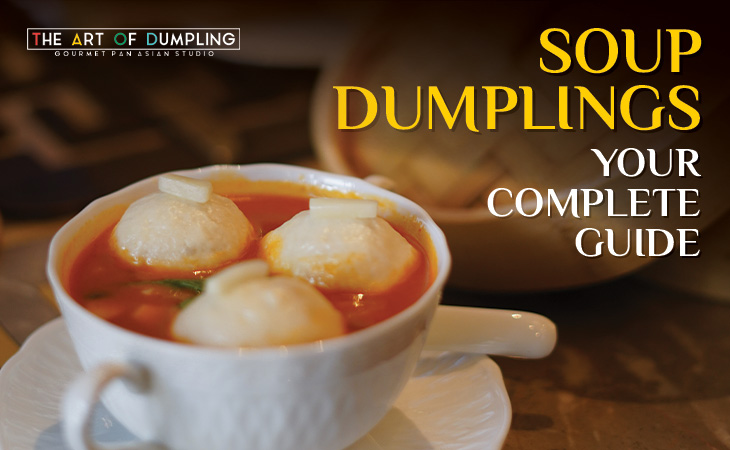
Have you ever bitten into a dumpling and been pleasantly surprised by a burst of delicious, savory broth? If not, then you need to have it. Enter the world of soup dumplings, also known as "Xiaolongbao". These little bundles of joy are not just food; they are an experience, a culinary journey that starts with the first bite and ends with you craving for more. This guide will explore everything there is to know about soup dumplings near me, from their fascinating history to how to savor them like a pro.
The Origin and Cultural Significance of Soup Dumplings
Soup dumplings, as we know them today, have their roots in the Jiangnan region of China, particularly associated with the city of Shanghai and the town of Nanxiang. It's a traditional delicacy that has transcended its humble beginnings to become a global phenomenon.
The Story Behind the Soup
These dumplings consist of a delicate wheat dough wrapper, filled not only with seasoned meat, commonly pork but also with a gelatinized broth. When steamed, the gelatin melts, resulting in a dumpling filled with soup. The creation of soup dumplings is often attributed to a man named Huang Mingxian in the early 20th century, who aimed to surprise his customers with something novel. Little did he know, his invention would become a culinary treasure. TAOD (The Art of Dumpling) in Delhi, is known for its best soup dumplings.
Cultural Impact
Soup dumplings are much more than a delicious treat in Chinese culture; they represent a craft that requires precision and patience, embodying the finesse of Chinese culinary arts. They are a staple during Chinese New Year celebrations and family gatherings, symbolizing togetherness and prosperity. The Art of Dumpling menu gives justice to the culture of the soup dumplings.
The Making of Soup Dumplings: An Art and a Science
Creating soup dumplings is a blend of culinary art and science, demanding mastery over technique and ingredients. Let’s dive into the intricacies of making these delightful dumplings with TAOD (The Art of Dumpling).
Key Ingredients of Soup Dumplings
- The Broth: A rich, flavorful broth is essential. It's made by slow simmering pork bones, chicken, or a combination of both, along with some secret ingredients and spices. This broth is then cooled to form a gelatinous consistency.
- The Filling: Besides the jelly-like broth, the filling usually includes finely minced pork, sometimes mixed with minced crab or shrimp. Seasonings include ginger, soy sauce, and sesame oil, adding depth and umami to the mix.
- The Wrapper: The dough is made from flour and water, rolled out into thin circles. The challenge is to make it sturdy enough to hold the filling and soup, yet delicate enough to be pleasurable to eat.
The Art of Folding
The magic of soup dumplings lies in their assembly. Each dumpling is pleated with at least 14 folds before being twisted at the top to seal. This technique ensures the dumplings can withstand the steam cooking without bursting and that the soup remains encased until bitten into.
Cooking Techniques: Steaming to Perfection
Steam is the soul of soup dumplings, transforming them from raw ingredients into succulent bites. The dumplings are placed in bamboo steamers lined with cabbage leaves to prevent sticking. The steam cooks the dumpling wrapper, melts the gelatinized broth, and reheats the filling, all while preserving the dumpling's integrity. This process, taking about 10 minutes, is crucial for achieving the perfect balance of flavors and textures. TAOD will get you the best soup dumplings Delhi.
The Art of Eating Soup Dumplings: A Step-by-Step Guide
Eating soup dumplings is as much an art as making them. Here’s how to enjoy them without scalding your tongue or spilling the precious broth.
- Gently Lift: Use your chopsticks to carefully lift a dumpling from the steamer basket, being mindful not to tear the wrapper.
- Cool It Down: Place the dumpling in your soup spoon and poke a small hole in the wrapper with a chopstick to release steam and allow the broth to cool slightly.
- Savor the Broth: Sip the broth from the spoon, enjoying the rich flavors and warmth.
- Eat the Dumpling: After savoring the broth, enjoy the rest of the dumpling, possibly with a dip in black vinegar and shredded ginger for an added flavor dimension.
This ritual maximizes the soup dumpling experience, letting you appreciate every aspect of these culinary treasures.
Where can I Find the Best Soup Dumplings
While making soup dumplings at home is a rewarding endeavor, it’s also a time-consuming and precise process. Luckily, the popularity of soup dumplings means you can find them in numerous Chinese restaurants and dim sum places worldwide, from the streets of Shanghai to New York City. Look for establishments specializing in Jiangnan or Shanghai cuisine for an authentic experience. In India, one can visit TAOD to try out their menu. The Art of Dumpling menu has 99 varieties of dumplings.
In Shanghai, a visit to the Nanxiang Steamed Bun Restaurant, where soup dumplings have been served for over a century, is a must. For those outside of China, cities like New York, San Francisco, and London have their fair share of reputable dim sum restaurants serving up these delectable morsels.
Conclusion
Soup dumplings are a marvel of Chinese cuisine, combining delicate flavors, intricate preparation techniques, and a unique eating experience. Whether you choose to embark on making them at home, or simply enjoy them at a local restaurant, understanding the craftsmanship behind these dumplings makes the experience all the more enriching. So the next time you bite into a soup dumpling, take a moment to appreciate the artistry and tradition you're indulging in. Who knows? This might just be the beginning of your soup dumpling adventures.