Riding a motorcycle is one of the most exhilarating experiences you can have on the road. The wind in your hair, the freedom of the open road—it’s a feeling like no other. But with great freedom comes great responsibility. And if you want to keep your ride thrilling and safe, it's essential to follow key motorcycle safety tips.
Whether you're a seasoned rider or a beginner, these rider safety tips are crucial to making sure you stay safe on the road. From defensive riding techniques to choosing the right motorcycle protective gear, we'll break down everything you need to know.
Why Motorcycle Safety Is Crucial
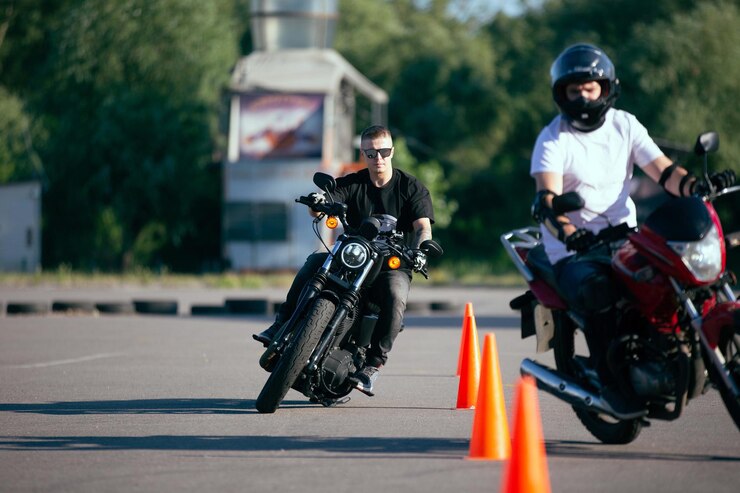
Motorcycle riders are more vulnerable than car drivers for several reasons:
- Less protection: Bikes don’t have airbags, crumple zones, or a sturdy frame to absorb impacts.
- Smaller size: Motorcycles are harder to see, especially in traffic.
- Unpredictable road conditions: Potholes, gravel, and wet roads pose a higher risk to two-wheelers.
So, safety isn’t just an option—it’s a must. Thankfully, with the right techniques and gear, you can drastically reduce your risk.
1. Always Wear Proper Protective Gear
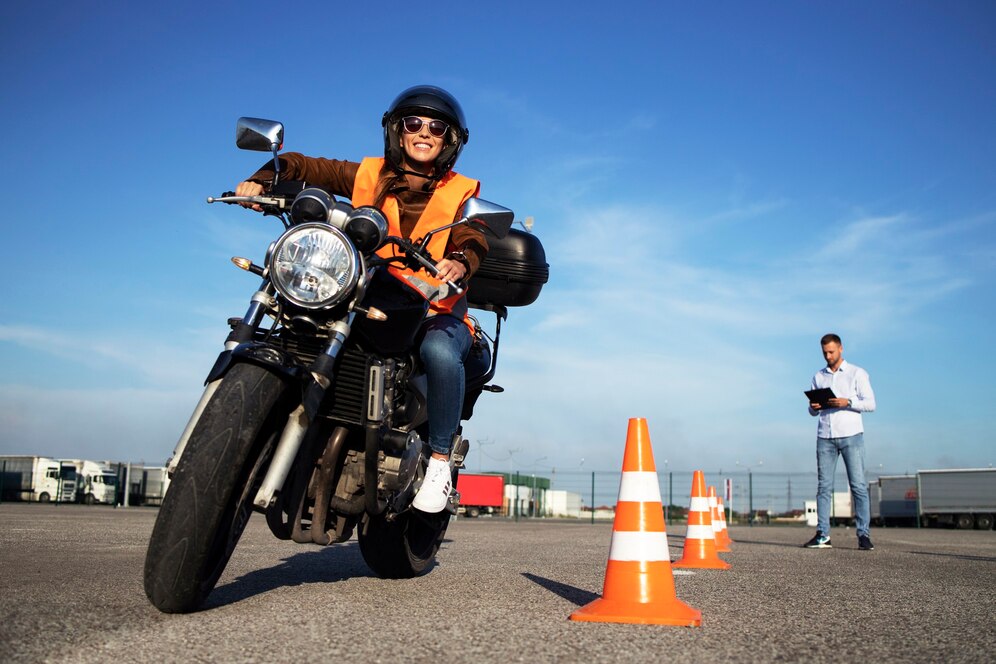
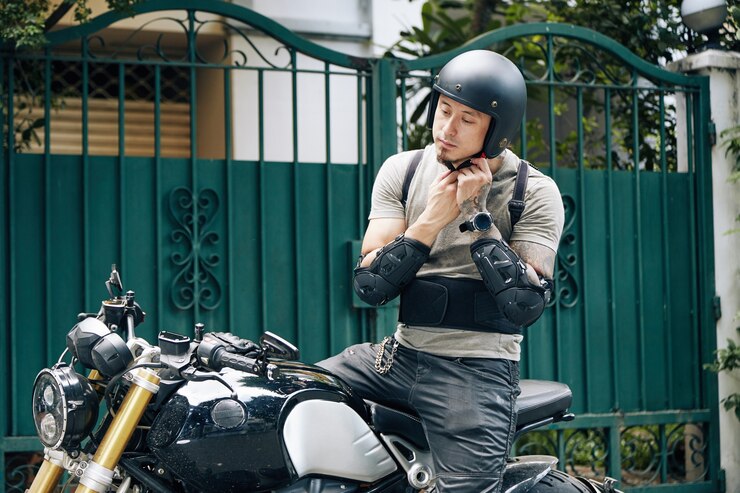
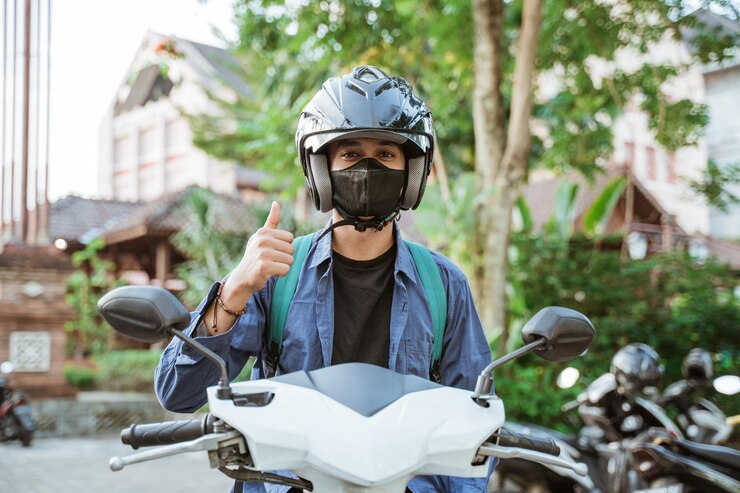
Let’s start with the basics. The right motorcycle protective gear can mean the difference between walking away from an accident and facing serious injury. Here’s a rundown of the essentials:
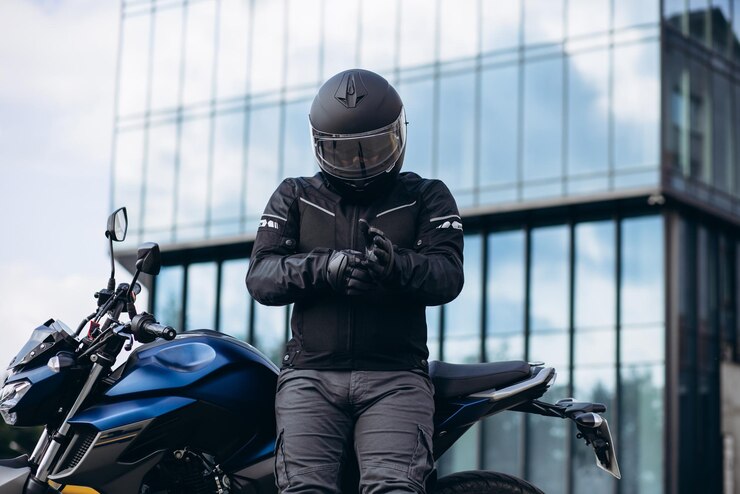
- Helmet: Always wear a helmet, and make sure it meets safety standards (look for DOT, ECE, or SNELL certifications).
- Jacket: A leather or textile jacket with padding or armor helps protect your torso and arms.
- Gloves: Protect your hands from abrasions and impact. Leather gloves offer the best protection.
- Pants: Wear riding pants made from durable material like Kevlar, not jeans. These can withstand abrasion better in a crash.
- Boots: Your feet need protection too. Sturdy, high-ankle boots will protect your feet and ankles.
Don’t skimp on gear. A good helmet is often the most important investment you can make for safety.
2. Master Defensive Riding Techniques
Defensive riding means anticipating potential hazards before they happen. It’s not just about reacting to dangers but proactively avoiding them. Here’s how you can improve your defensive riding techniques:
- Be aware of blind spots: Always assume that other drivers don’t see you, and stay out of their blind spots whenever possible.
- Maintain a safe following distance: Keep at least a two-second gap between you and the vehicle ahead. In wet or slippery conditions, give yourself even more space.
- Use your mirrors: Constantly check your mirrors, but also look over your shoulder before changing lanes.
- Signal early: Always signal your intentions well in advance, especially when turning or changing lanes.
These simple techniques can help you avoid accidents and react better if an emergency arises.
3. Stay Visible to Other Drivers
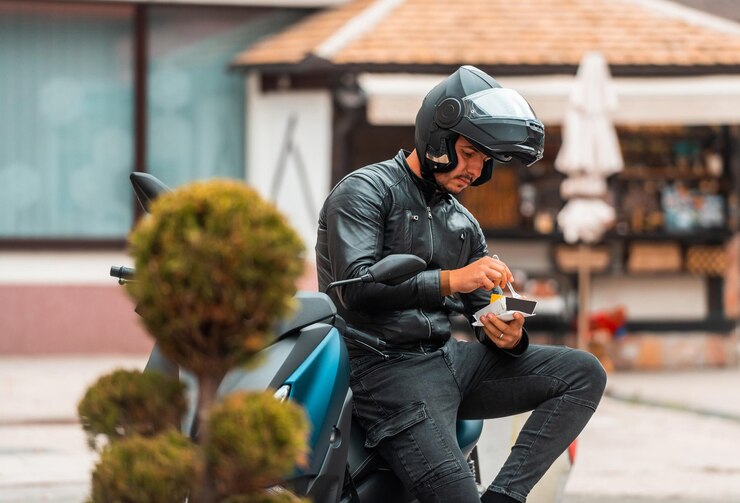
Visibility is one of the biggest challenges for motorcyclists. It’s easy for cars and trucks to overlook a rider, especially in busy traffic. To make sure you’re seen:
- Wear bright or reflective gear: Bright jackets or reflective vests increase your visibility during the day and at night.
- Use your headlights: Keep your headlights on during the day, even when it’s sunny. It makes you more noticeable.
- Position yourself strategically: When riding in traffic, avoid staying directly in the driver’s blind spot. Position yourself so you can see the driver’s face in their mirrors.
The more visible you are, the better the chances other drivers will see you and react in time.
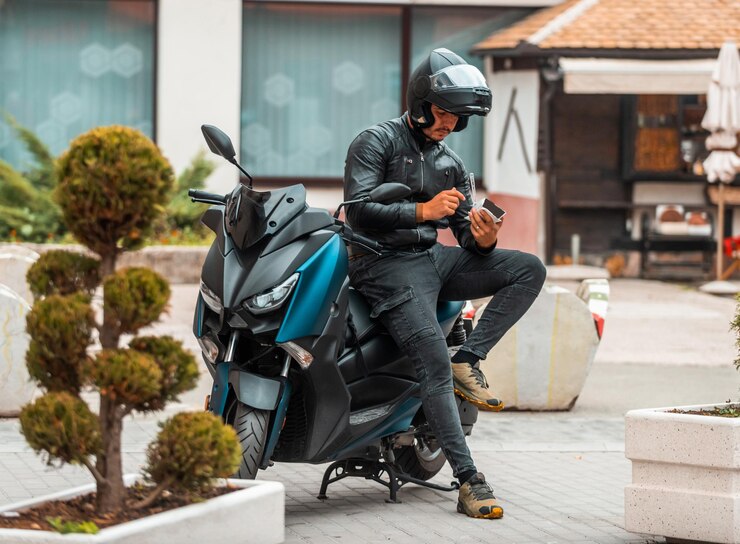
4. Practice Safe Turning and Braking
Braking and turning might seem simple, but it’s crucial to get both right. Bad turning or braking technique can lead to instability or even a crash. Here’s what you need to keep in mind:
- Braking: Use both the front and rear brakes smoothly. Avoid slamming on either brake—especially the front—since it can cause you to lose control.
- Turning: When taking a turn, slow down before you enter the curve. Look through the turn, not just at the road directly in front of you. Use your body to lean into the turn (not just the handlebars).
Remember, smooth and gradual inputs make a big difference in maintaining control of your bike.
5. Ride at a Safe Speed
We all love the feeling of speed, but speed should always be controlled. Riding too fast reduces your reaction time and makes it harder to handle curves, obstacles, or sudden traffic changes.
Tips for safe speed:
- Know the speed limits: Stick to posted speed limits, but also adjust based on road conditions.
- Ride for the conditions: If it’s raining, foggy, or the road is slick, slow down. Even if you’re on a dry, clear road, don’t push your limits just to keep up with traffic.
Riding at a controlled speed is all about being smart, not just fast.
6. Don’t Drink and Ride
It goes without saying, but it’s worth repeating: Never ride under the influence of alcohol or drugs. Your reaction times are slower, your coordination is impaired, and your judgment is clouded. Even a small amount of alcohol can make a big difference in your riding ability.
If you’ve been drinking, leave the bike at home and take a cab or a ride-share. Your life and the lives of others are far too valuable to risk.
7. Be Prepared for the Weather
Canadian weather can be unpredictable, and it’s essential to be prepared for all kinds of conditions. When riding in adverse weather:
- Rain: Keep your speed slow, increase following distance, and be aware of slippery roads.
- Cold: Dress in layers to avoid getting too cold. Cold weather can impair your ability to operate the bike and make you less alert.
- Snow and Ice: It’s best to avoid riding in winter conditions altogether. If you absolutely have to, use tire chains and take extreme caution.
Conclusion
Riding a motorcycle is an exhilarating experience, but it’s one that requires constant attention to safety. By following these motorcycle safety tips, practicing defensive riding techniques, and investing in the right motorcycle protective gear, you can significantly reduce your risk and ride with confidence.
Remember: your safety is in your hands. Ride smart, stay visible, and always be prepared for the road ahead.
Call to Action
Ready to ride safer? Start by reviewing your motorcycle safety gear today and consider taking a motorcycle safety training course to brush up on your skills. Stay safe and enjoy the ride!