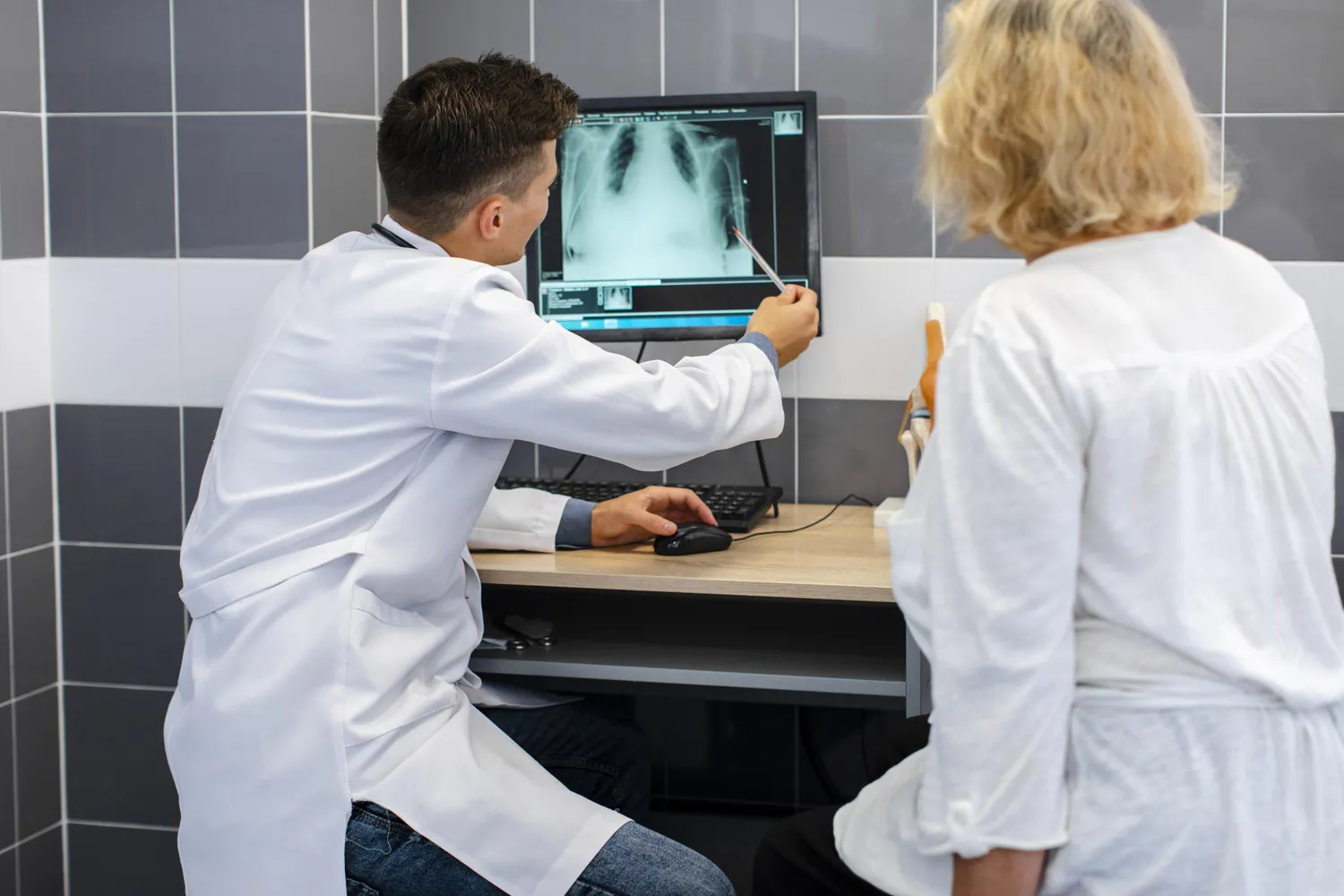
In the intricate landscape of healthcare documentation, radiology transcription emerges as a critical component, facilitating the accurate and timely translation of radiologists' observations into comprehensive reports. This article delves into the realm of radiology transcription, exploring its significance, process, and the role of stat transcription in urgent situations, all while emphasizing the importance of precision in medical documentation.
Understanding Radiology Transcription
Radiology transcription is the process of transcribing dictations made by radiologists regarding various imaging studies, such as X-rays, MRIs, CT scans, ultrasounds, and nuclear medicine scans, into written or electronic reports. These reports serve as essential records of findings, interpretations, and recommendations, aiding in diagnosis, treatment planning, and ongoing patient care. Radiology transcriptionists play a pivotal role in ensuring the accuracy and clarity of these reports, translating complex medical jargon into comprehensible language for healthcare providers.
The Process of Radiology Transcription
The process of radiology transcription typically begins with a radiologist dictating their observations and interpretations of imaging studies into a recording device. Transcriptionists then listen to these recordings and transcribe them verbatim into written or electronic format. Given the technical nature of radiological terminology and the importance of precision in medical documentation, transcriptionists undergo specialized training to familiarize themselves with radiological concepts, anatomical terminology, and common abbreviations used in radiology reports. The transcribed reports are then reviewed for accuracy and completeness before being finalized and added to the patient's medical record.
The Significance of Precision in Medical Documentation
Precision is paramount in medical documentation, particularly in the field of radiology, where accurate interpretation of imaging studies can have significant implications for patient care. Errors or inaccuracies in radiology reports can lead to misdiagnosis, inappropriate treatment decisions, and compromised patient safety. Therefore, radiology transcriptionists adhere to strict quality control measures to ensure the accuracy, consistency, and integrity of transcribed reports. This commitment to precision not only enhances patient care but also fosters trust and confidence in the healthcare system.
The Role of Stat Transcription in Radiology
In urgent or emergent situations where timely diagnosis and treatment are critical, stat transcription plays a vital role in expediting the documentation process. Stat transcription involves prioritizing the transcription of urgent or high-priority radiology reports to ensure rapid communication of findings to healthcare providers. This accelerated process enables clinicians to make prompt treatment decisions based on radiological findings, potentially saving lives in emergency situations such as trauma, stroke, or acute abdominal pain.
Challenges and Solutions in Radiology Transcription
Despite its importance, radiology transcription faces several challenges, including the increasing volume of imaging studies, the complexity of radiological terminology, and the need for rapid turnaround times, particularly in stat transcription. To address these challenges, healthcare organizations may implement technology-driven solutions such as speech recognition software and natural language processing algorithms to streamline the transcription process and improve efficiency. Additionally, outsourcing transcription services to specialized providers can help alleviate the burden on in-house staff and ensure timely and accurate documentation of radiology reports..
Conclusion: Elevating Healthcare through Radiology Transcription
In conclusion, radiology transcription plays a crucial role in translating radiologists' observations into actionable insights that guide patient care. With a focus on precision, accuracy, and efficiency, radiology transcriptionists contribute to the delivery of high-quality healthcare services and the promotion of patient safety. By embracing advancements in technology and prioritizing the timely communication of findings through stat transcription, healthcare organizations can harness the full potential of radiology transcription to enhance diagnostic accuracy, improve treatment outcomes, and ultimately, save lives.