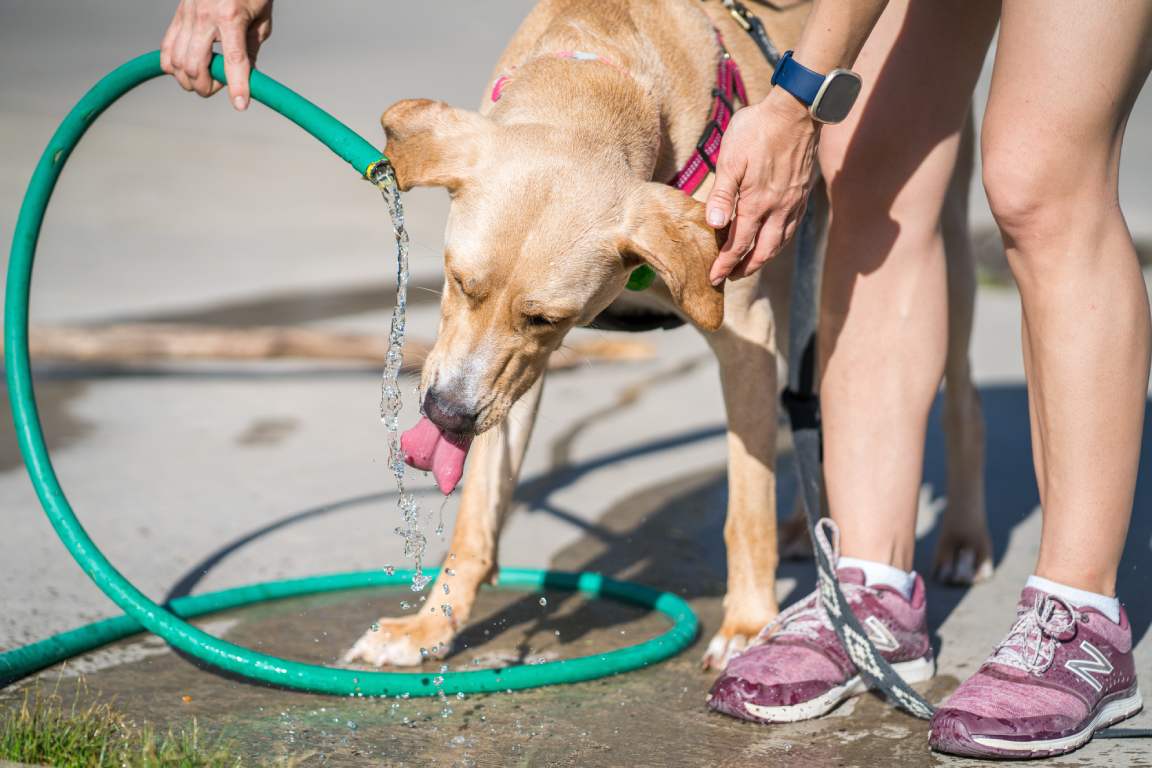
One of the great aspects of pet ownership is the fact that you get to share the great wide world with your furry friend. This means trips to the beach, camping in the local park area and going on nature hikes.
While owning a pet is a great motivator for getting out and about, owners do have to exercise some caution when letting their dog roam free. This is largely because there are health concerns for dogs that are associated with being outdoors.
Rather than eliminating outdoor activity altogether, take elements of safety into your own hands by being informed and prepared. This way, you can experience everything that the world has to offer with your trusty companion by your side.
Common health issues associated with the outdoors
When exposed to the elements, however harsh or innocuous, dogs can develop health issues ranging from heatstroke and dehydration to burnt paws. Each condition can vary in terms of severity, that’s why it’s important for owners to know the warning signs and treatment steps.
Heatstroke
When it comes to outdoor health concerns for dogs, heatstroke tops the list. This is largely because heatstroke can be fatal. Commonly occurring after a pet has been exposed to excessive heat, heatstroke can impact nearly every vital organ in the body.
The signs of heatstroke include:
- Heavy panting
- Laboured breathing
- Excessive drooling
- Collapsing
- Vomiting
- Appearing drowsy or uncoordinated
In terms of treatment, it’s important to place your pet in a shaded and cool area. You will need to place cool but not cold water over them. Cold water isn’t advised as it will induce shock. From there, try to administer small amounts of cool water. Once they have cooled down, take your dog to the vet for a thorough check up.
Dehydration
Being hydrated is the foundation of all critical functions for dogs. This is because dogs don’t sweat like humans, so, in order to regulate their temperature they need to pant and sweat through their paws. Dehydration impairs this basic function.
Signs of dehydration include but are not limited to:
- Loss of appetite
- Vomiting
- Diarrhoea
- Sunken eyes
- Dry nose
- Thick saliva
To help a pet who is exhibiting signs of dehydration you will want to encourage them to drink fresh, cool water. You may even utilise an electrolyte based fluid or visit the vet so they can administer IV fluids for a quicker rehydration.
Burnt paws
The pads of your dog’s paws are thick and strong, however, they don’t offer the protection that shoes offer humans. As such, on hot days or by walking through a chemical spill or fire, your dog’s paws can get burnt.
Common signs of burnt paws:
- Limping
- Red or bleeding paw pad
- Incessant licking of paw pad
- Whining or yelping when walking
In terms of dealing with a burnt paw, the best course of action is prevention. This means making sure that your pet isn’t walking on ground that is simply too hot. If you can’t leave your palm on the ground for more than 10 seconds then it is too hot to be walking your dog.
Simple tips and tricks for dog owners
In light of the different health problems that being outside can trigger in dogs, it’s important to keep elements of safety at the fore. While this can feel overwhelming, there are simple tips and tricks you can use to make sure that you’re safe while outdoors with your pooch.
One of the most simple and yet effective tips is to keep an eye on them. If you can see where they are and where they are going, you are better placed to avoid disasters such as stepping into a fire pit or sniffing around a toxic bush.
Another way to protect dogs when outside is to make sure you carry a water bottle with you. This way, you can keep dogs cool and hydrated whether they are going for a swim or accompanying you on a run.
When making sure dogs are safe in the great outdoors, you always want to come prepared. This means having a doggy bag with some poo bags, water bowls, food, toys and a collar and lead.
Keeping on top of flea and tick prevention is also a great way to ensure that dogs can explore their natural surroundings safely. These treatments can take the forms of chew or gel which makes it exponentially easier to treat even the fussiest of pets.
Responsible pet ownership
As pet owners, we are responsible for keeping our pets feeling happy, safe and secure. A big part of this responsibility is having the knowledge and tools to identify and treat potential health problems.
While indoors, we might worry that our pet could break their toy and swallow the squeaker. While outdoors, there are different concerns to consider such as heatstroke and dehydration. Making sure that dogs can safely run and play is as easy as implementing a few key tips.