Introduction:
Moving an IVF laboratory is not as simple as relocating medical equipment. One of the biggest concerns during IVF lab moves is protecting frozen embryos throughout transport.
Patients and clinics often worry about temperature stability, shipment safety, and how sensitive reproductive materials are handled during relocation. Even a small mistake during transport planning can create unnecessary risks.
Understanding how professional embryo shipping works can help you feel more confident during an IVF clinic transition.
Why Frozen Embryos Require Special Transport
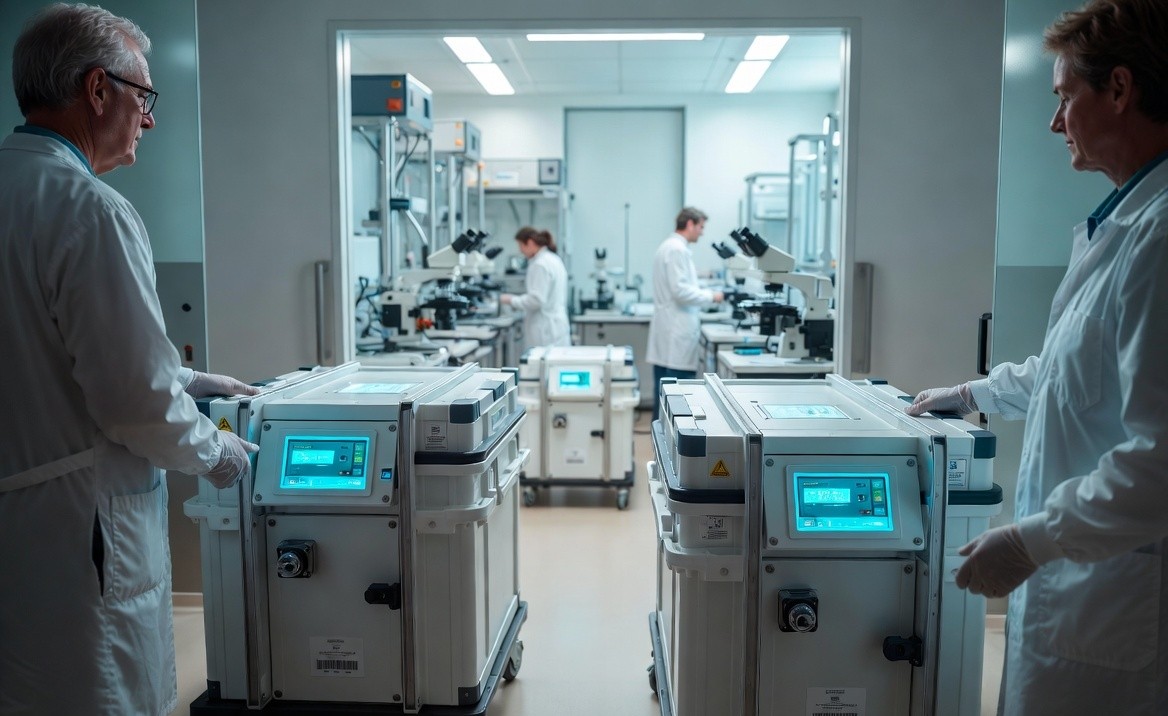
Frozen embryos are stored at ultra-low temperatures using cryogenic preservation methods. During transport, embryos must remain in stable conditions without exposure to temperature fluctuations.
Most clinics use specialised cryogenic transport systems designed specifically for reproductive materials.
This process usually involves:
- Cryogenic transport containers
Help maintain ultra-low temperatures during transit. - IVF transport logistics
Coordinate shipment timing, handling, and delivery procedures. - Chain of custody procedures
Improve shipment tracking and specimen identification. - Temperature monitoring
Helps maintain stable storage conditions throughout transport. - Clinic coordination
Supports smooth communication between sending and receiving laboratories.
Because embryos are highly sensitive biological materials, transportation requires experienced handling and detailed planning.
What Happens During IVF Lab Moves?
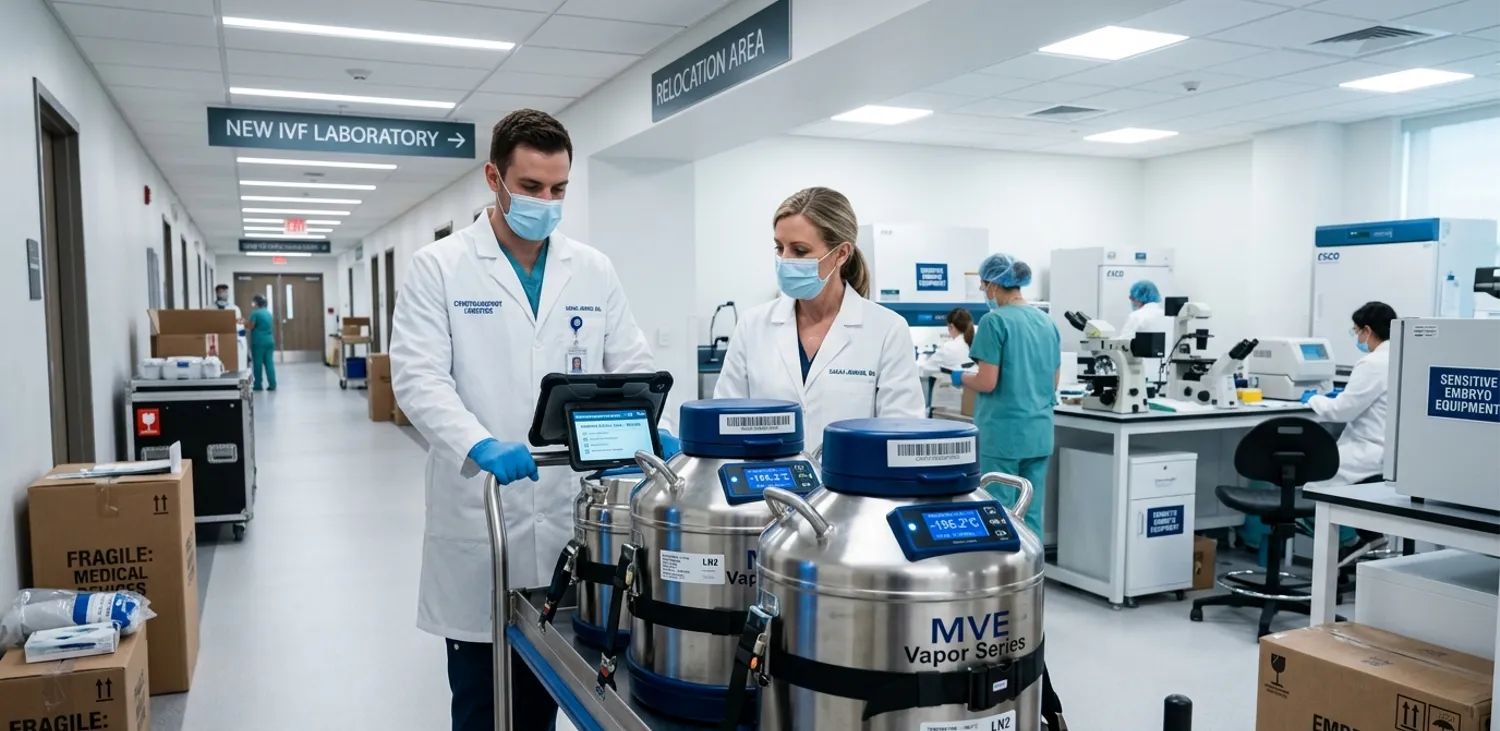
During IVF lab moves, clinics often need to relocate:
- Frozen embryos
- Eggs and sperm samples
- Cryogenic storage tanks
- Laboratory equipment
- Long-term storage materials
The transport process is typically coordinated between embryologists, logistics teams, and receiving clinics.
Professional IVF transport providers usually create a detailed relocation plan before any shipment begins.
This may include:
- Reviewing storage inventory
- Preparing cryogenic shipping containers
- Confirming transport timelines
- Verifying documentation
- Coordinating receiving laboratory procedures
Careful preparation helps reduce delays and improves shipment organisation.
How Cryogenic Transport Containers Work
Cryogenic transport containers are commonly known as dry shippers. These specialised containers are designed to maintain cryogenic temperatures during transit.
Instead of free-flowing liquid nitrogen, dry shippers absorb nitrogen into internal materials. This helps maintain safe transport conditions while reducing spill risks.
These containers are widely used for:
- Embryo transfer between clinics
- IVF laboratory relocation
- Fertility preservation transport
- International reproductive tissue shipping
Many professional transport providers also use monitoring systems to track shipment conditions during transit.
Why IVF Transport Logistics Matter
IVF transport logistics involve far more than standard courier shipping.
Transport providers must coordinate:
- Timing between laboratories
- Secure handling procedures
- Shipment documentation
- Cryogenic container preparation
- Delivery verification
Because IVF clinics often operate on strict schedules, delays can affect laboratory workflows and patient planning.
Professional coordination helps clinics better manage:
- Transport scheduling
Helps reduce delays and supports smoother coordination. - Specimen tracking
Improves shipment visibility during transport. - Cryogenic preparation
Supports stable storage conditions throughout transit. - Regulatory documentation
Assists compliance and transport verification procedures. - Receiving clinic communication
Helps streamline laboratory handovers and delivery confirmation.
Experienced IVF logistics planning is particularly important during large-scale lab moves involving multiple specimens.
How Clinics Help Maintain Embryo Safety During Transport
Although every clinic follows its own protocols, most embryo transport procedures focus on maintaining stability throughout transit.
This often includes:
- Verified cryogenic storage preparation
- Secure specimen identification
- Controlled handling procedures
- Shipment tracking systems
- Arrival verification checks
Some clinics may also coordinate directly with specialised embryo transport companies that focus exclusively on reproductive tissue logistics.
Patients are often informed about timelines, receiving clinic coordination, and documentation requirements before transport begins.
Common Questions Patients Ask About Embryo Shipping
Many intended parents feel anxious when frozen embryos need to be transported between clinics.
Common concerns include:
- How long can embryos remain in transport containers?
- What happens if delays occur?
- How are temperatures maintained?
- Who monitors the shipment?
- How do clinics verify arrival?
Professional cryogenic shipping providers typically use carefully tested transport procedures designed for reproductive materials.
However, shipment planning, clinic communication, and experienced handling remain essential parts of the process.
Final Thoughts
Transporting frozen embryos during IVF lab moves requires careful coordination, specialised cryogenic equipment, and experienced handling procedures.
From cryogenic transport containers to IVF transport logistics, every stage of the process is designed to help maintain stable storage conditions during relocation.
Whether embryos are being transferred between clinics or entire laboratories are relocating, professional planning plays a major role in supporting safe and organised transport.