Introduction to Fiber Laser Cutting
Fiber laser cutting is a technology that utilizes high-powered lasers to cut and shape various types of metals and other materials with precision and efficiency. At its core, a fiber laser cutting system employs a fiber optic cable to deliver the laser beam, which is generated by diodes and amplified in the fiber itself. This method contrasts with traditional CO2 lasers, which use gas mixtures to produce the laser beam.
Process and Technical Details
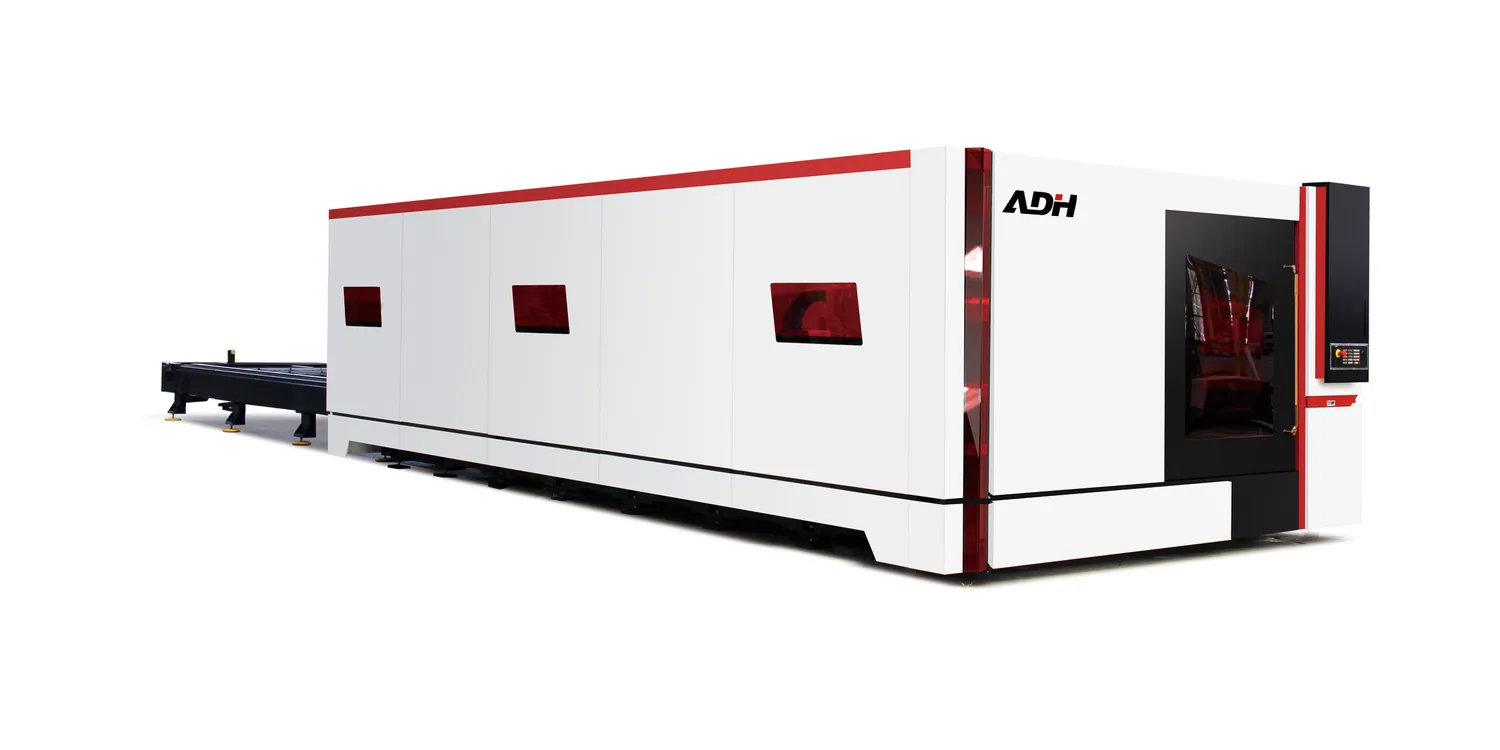
Fiber laser cutting machine directs the laser beam onto the material's surface. The intense energy density then causes rapid heating, melting, and vaporization. The laser beam is typically focused to a very small diameter, allowing for extremely fine and precise cuts. This precision makes fiber laser cutting suitable for applications requiring high accuracy and minimal kerf width.
Key technical aspects include:
- Beam Quality: Fiber lasers offer superior beam quality, leading to finer and more precise cuts.
- Power Settings: Fiber lasers can operate at various power levels, typically ranging from 500 watts to over 10 kilowatts, depending on the material and thickness.
- Speed Variations: Cutting speeds can reach up to several meters per minute, varying with material type and thickness.
Comparison with Other Laser Types
Fiber laser cutting offers distinct advantages over other laser types:
- CO2 Lasers: While CO2 lasers are effective for cutting thicker materials, fiber lasers provide higher energy efficiency and lower maintenance costs.
- Nd:YAG Lasers: Fiber lasers offer better beam quality and longer operational lifespans compared to Nd:YAG lasers, making them more suitable for high-precision applications.
Advantages
Fiber laser cutting systems are known for their high-speed operation and low maintenance requirements. For instance, fiber laser systems can achieve cutting speeds of up to several meters per minute and typically require maintenance only a few times per year, compared to more frequent maintenance for CO2 lasers. Additional advantages include:
- Versatility: Capable of cutting a wide range of materials, including various metals such as steel, aluminum, brass, and copper, as well as non-metal materials like plastics and composites.
- Precision: The small diameter of the laser beam allows for fine and precise cuts, essential for high-accuracy applications.
- Efficiency: Fiber lasers are significantly more energy-efficient than CO2 lasers, leading to lower operational costs and a smaller environmental footprint.
- Longevity: The solid-state design of fiber lasers means fewer moving parts and less wear and tear, contributing to longer operational lifespans and reduced downtime.
Applications
Fiber laser cutting is used across various industries due to its precision and efficiency. Notable applications include:
- Automotive: Used for cutting and shaping components with high precision, contributing to lightweight and efficient vehicle designs.
- Aerospace: Essential for manufacturing complex and precise parts, ensuring safety and performance standards.
- Medical Devices: Provides the precision required for cutting intricate and delicate components used in medical instruments and implants.
- Electronics: Utilized for cutting and engraving small and precise electronic components.
Integration with Smart Factories and IoT
Fiber laser cutting stands out due to its compatibility with automation and digital control systems. Modern fiber laser cutting machines can be seamlessly integrated into computer-aided design (CAD) and computer-aided manufacturing (CAM) systems, enabling precise control over cutting parameters and real-time monitoring of the cutting process. This integration facilitates the implementation of advanced manufacturing strategies, such as just-in-time production and mass customization.
By incorporating IoT devices and sensors, fiber laser cutting machines can collect and analyze data on machine performance, material usage, and production output. For example, Company A implemented IoT sensors in their fiber laser cutters and reduced downtime by 20% through predictive maintenance. This data can then be used to optimize cutting processes, predict maintenance needs, and improve overall production efficiency.
Evolution of Smart Factories
The concept of smart factories represents a significant shift in the manufacturing landscape, driven by advancements in digital technologies and the adoption of Industry 4.0 principles. Smart factories leverage interconnected systems, data analytics, and automation to create highly efficient, flexible, and adaptive production environments. The evolution of smart factories can be traced through several key stages:
Early Automation and Computerization
The initial steps toward smart factories began with the adoption of basic automation and computerization in the manufacturing process. Programmable logic controllers (PLCs) and computer numerical control (CNC) machines were among the first technologies to automate repetitive tasks and improve precision in manufacturing. These early systems laid the groundwork for more complex and integrated automation solutions.
Introduction of Digital Manufacturing
Building on the foundation of early automation, the introduction of digital manufacturing technologies like computer-aided design (CAD) and computer-aided manufacturing (CAM) further revolutionized the industry. These tools allowed manufacturers to design products digitally and translate these designs directly into manufacturing instructions, enhancing accuracy and reducing lead times. This digital thread enabled greater accuracy, reduced lead times, and facilitated more complex product designs.
Emergence of Industrial Internet of Things (IIoT)
The advent of the Industrial Internet of Things (IIoT) marked a pivotal moment in the evolution of smart factories. IIoT involves embedding sensors, actuators, and communication technologies into manufacturing equipment and processes. According to a report by McKinsey, the IIoT market is expected to reach $110 billion by 2025, significantly impacting manufacturing efficiency. This connectivity allows for real-time data collection, monitoring, and analysis, enabling manufacturers to optimize operations, predict maintenance needs, and improve product quality.
Advanced Data Analytics and Machine Learning
With the proliferation of IIoT devices, the amount of data generated in smart factories increased exponentially. Advanced data analytics and machine learning algorithms, such as neural networks and decision trees, have become essential tools for extracting actionable insights from this data. These technologies enable predictive maintenance, process optimization, and quality control, leading to significant improvements in efficiency and productivity. As data analytics and machine learning continue to optimize manufacturing, the next step involves integrating these insights into cyber-physical systems for real-time control.
Integration of Cyber-Physical Systems
Cyber-physical systems (CPS) integrate physical manufacturing processes with digital control systems. This creates a seamless interaction between the physical and digital worlds, allowing for real-time monitoring and control, adaptive manufacturing processes, and the ability to quickly respond to changes in demand or production conditions. For instance, automotive manufacturers like BMW have integrated CPS to enhance real-time monitoring and adaptive manufacturing processes.
Adoption of Artificial Intelligence and Robotics
Artificial intelligence (AI) and robotics are transforming smart factories by enabling greater levels of automation and intelligence. AI-driven systems can analyze vast amounts of data to optimize production schedules, detect anomalies, and make real-time decisions. Robotics, equipped with advanced sensors and AI, can perform complex tasks with high precision and adaptability, further enhancing the flexibility and efficiency of smart factories.
Connectivity and Interoperability
A key aspect of smart factories is the seamless connectivity and interoperability between different systems and devices. Open standards and protocols, such as OPC UA (Open Platform Communications Unified Architecture) and MQTT (Message Queuing Telemetry Transport), facilitate communication between machines, sensors, and enterprise systems. This interconnectedness ensures that data flows smoothly across the factory floor, enabling integrated and coordinated operations.
Human-Machine Collaboration
Despite the high levels of automation, human workers remain integral to smart factories. The focus is shifting towards human-machine collaboration, where advanced technologies assist workers in performing their tasks more efficiently and safely. Augmented reality (AR) and wearable devices provide workers with real-time information and guidance, enhancing their capabilities and reducing errors. How will the balance between human ingenuity and machine efficiency shape the future of manufacturing?
Sustainable and Resilient Manufacturing
The evolution of smart factories also emphasizes sustainability and resilience. Advanced monitoring and control systems help:
- Reduce energy consumption
- Minimize waste
- Optimize resource utilization
Additionally, smart factories are designed to be resilient, capable of adapting to disruptions and maintaining production continuity through flexible and reconfigurable systems.
The continuous evolution of smart factories is driven by the convergence of various technologies, including IIoT, AI, robotics, and advanced data analytics. These advancements are transforming traditional manufacturing into highly efficient, adaptive, and intelligent production environments, paving the way for the future of manufacturing.
Importance of IoT Integration in Manufacturing
The integration of the Internet of Things (IoT) into manufacturing processes is revolutionizing the industry by enhancing connectivity, efficiency, and data-driven decision-making. IoT involves embedding sensors, actuators, and communication technologies into machinery and production systems to create a network of interconnected devices. This network enables real-time data collection, monitoring, and analysis, providing manufacturers with unprecedented insights into their operations.
Real-Time Monitoring and Control
IoT integration allows for continuous real-time monitoring of manufacturing processes. Sensors embedded in machinery can track various parameters such as temperature, pressure, vibration, and operational status. This data is transmitted to centralized systems where it can be analyzed to ensure optimal performance. For example, in a production line, IoT sensors can detect anomalies or deviations from standard operating conditions, allowing for immediate corrective actions to prevent defects or downtime.
Building on the benefits of real-time monitoring, predictive maintenance leverages this continuous data stream to foresee potential issues before they cause downtime.
Predictive Maintenance
One of the most significant benefits of IoT in manufacturing is the ability to implement predictive maintenance strategies. Traditional maintenance approaches are often reactive or based on predefined schedules, which can lead to unexpected equipment failures or unnecessary downtime. IoT-enabled predictive maintenance leverages data from sensors to predict when a machine is likely to fail or require maintenance. For instance, a leading aerospace company implemented IoT-based predictive maintenance, which resulted in a 20% reduction in maintenance costs and a 30% increase in equipment uptime. This approach reduces unplanned downtime. It also extends the lifespan of equipment and lowers maintenance costs.
Enhanced Supply Chain Management
IoT integration enhances supply chain management by providing greater visibility and control over the entire production process. IoT devices can track the movement of raw materials, work-in-progress items, and finished goods throughout the supply chain. For instance, a major automotive manufacturer used IoT to track parts in real-time, reducing inventory costs by 15%. This real-time tracking ensures that inventory levels are optimized, reducing the risk of stockouts or overstocking. Additionally, IoT-enabled supply chain management can improve traceability, allowing manufacturers to quickly identify and address any quality issues or recalls.
Improved Product Quality
By continuously monitoring production parameters and environmental conditions, IoT helps maintain consistent product quality. Sensors can detect variations in temperature, humidity, or other factors that could impact the quality of the final product. For example, in the pharmaceutical industry, IoT sensors can monitor conditions during drug manufacturing to ensure compliance with stringent quality standards. Any deviations can be immediately addressed, ensuring that products meet the required specifications.
Energy Efficiency and Sustainability
IoT integration contributes to energy efficiency and sustainability in manufacturing. By monitoring energy consumption in real-time, manufacturers can identify areas where energy is being wasted and implement measures to optimize usage. For example, according to a study by the International Energy Agency, IoT-enabled energy management systems can reduce energy consumption by up to 20%. IoT sensors can detect when machines are idling and automatically switch them to low-power modes. Additionally, IoT can enable more efficient use of resources by monitoring and controlling water usage, emissions, and waste generation, contributing to more sustainable manufacturing practices.
Data-Driven Decision Making
The vast amount of data generated by IoT devices provides manufacturers with valuable insights for data-driven decision-making. Advanced analytics and machine learning algorithms can process this data to identify trends, optimize processes, and forecast future demand. For example, IoT data can be used to optimize production schedules, ensuring that resources are allocated efficiently and production targets are met. Data-driven decision-making enhances overall operational efficiency and competitiveness.
Enhanced Worker Safety
IoT integration also plays a crucial role in enhancing worker safety. Wearable IoT devices can monitor workers' health and safety conditions, such as heart rate, temperature, and exposure to hazardous substances. In the event of an abnormal condition, the system can alert supervisors or emergency responders, ensuring timely intervention. Additionally, IoT-enabled safety systems can monitor equipment and environment conditions, preventing accidents and ensuring a safer working environment.
Customization and Flexibility
IoT enables greater customization and flexibility in manufacturing processes. By collecting and analyzing data on customer preferences and market trends, manufacturers can quickly adapt their production lines to meet changing demands. IoT systems can facilitate mass customization, allowing manufacturers to produce personalized products at scale. This flexibility enhances customer satisfaction and enables manufacturers to respond rapidly to market dynamics.
Integration with Other Technologies
IoT integration serves as a foundation for integrating other advanced technologies in manufacturing, such as artificial intelligence (AI), robotics, and cyber-physical systems (CPS). The data collected by IoT devices can be used to train AI models, enabling smarter automation and process optimization. Robotics systems can leverage IoT data for more precise and adaptive operations. CPS can seamlessly integrate physical and digital processes, creating highly responsive and intelligent manufacturing environments.
The importance of IoT integration in manufacturing cannot be overstated. It drives real-time monitoring and control, predictive maintenance, enhanced supply chain management, improved product quality, energy efficiency, data-driven decision-making, worker safety, customization, and integration with other technologies. These benefits collectively transform traditional manufacturing into a more efficient, flexible, and intelligent process, paving the way for the future of smart factories.
How Fiber Laser Cutting Enhances Smart Factories
Fiber laser cutting technology is a revolutionary advancement in the field of manufacturing, offering unparalleled precision, efficiency, and adaptability. This technology uses a high-powered laser beam to cut materials, providing fine cuts with minimal kerf width. It is particularly valuable in smart factories, where integrating digital technologies and IoT systems is essential for optimizing production processes.
Precision and Efficiency
Fiber laser cutting machines are renowned for their high precision and efficiency. The technology allows for extremely fine cuts with minimal kerf width, crucial for producing intricate components with tight tolerances. This precision reduces material waste and ensures consistent quality, essential for maintaining high standards in smart manufacturing environments. For example, an electronics manufacturer implementing fiber laser cutting can achieve better component fit and function, leading to more reliable products and fewer defects.
IoT Integration and Benefits
Real-Time Data Collection and Monitoring
IoT devices in fiber laser cutters allow for real-time data collection and monitoring, providing critical insights into the cutting process. Sensors embedded in the cutting machines can track various parameters such as laser power, cutting speed, and material thickness. This data is continuously transmitted to central monitoring systems, enabling operators to make informed decisions and adjustments on the fly. Real-time monitoring helps identify potential issues before they escalate, minimizing downtime and improving overall productivity.
Predictive Maintenance
IoT-enabled fiber laser cutters use sensor data to predict maintenance needs, preventing unexpected breakdowns and extending equipment lifespan. For instance, a manufacturing plant using fiber laser cutters with predictive maintenance capabilities can schedule maintenance activities during planned downtimes, avoiding disruptions in production. This leads to higher equipment uptime and reduced maintenance costs.
Enhanced Flexibility and Customization
Fiber laser cutters are highly flexible, enabling quick transitions between different cutting tasks and materials, essential for responding to market demands. This adaptability is crucial for smart factories that need to respond rapidly to changing customer preferences. With the integration of IoT and advanced software, fiber laser cutters can receive and process digital designs directly from CAD systems, enabling mass customization and just-in-time production. This capability is particularly valuable in industries such as automotive and aerospace, where customization and rapid prototyping are critical.
Improved Quality Control
Quality control, a cornerstone of smart manufacturing, is enhanced by fiber laser cutting's ability to provide consistent, high-quality cuts. The precision and repeatability of fiber laser cutting ensure that each part meets the required specifications. IoT integration further improves quality control by providing real-time feedback on the cutting process. Any deviations from the set parameters can be immediately detected and corrected, ensuring that the final products meet stringent quality standards.
Energy Efficiency and Sustainability
Fiber laser cutters are more energy-efficient than traditional CO2 lasers, requiring less power and generating less heat. This energy efficiency contributes to the sustainability goals of smart factories. Additionally, the precise cutting capabilities of fiber lasers result in less material waste, enhancing the environmental benefits. For example, a sheet metal processing plant using fiber laser cutters can reduce its carbon footprint and material costs, aligning with green manufacturing practices.
Seamless Integration with Automation Systems
Fiber laser cutting machines can be seamlessly integrated with automation systems, such as robotic arms and automated material handling systems. This integration enhances the overall efficiency of the manufacturing process by reducing manual intervention and increasing throughput. Automated systems can load and unload materials, position them accurately for cutting, and remove finished parts, creating a streamlined and efficient production line. This level of automation is essential for achieving the high productivity and consistency required in smart factories.
Data-Driven Process Optimization
The data collected from fiber laser cutting machines can be analyzed to optimize cutting processes and improve overall efficiency. Advanced analytics and machine learning algorithms can identify patterns and trends in the data, providing insights into how to enhance cutting parameters, reduce cycle times, and improve material utilization. For example, by analyzing cutting data, a manufacturer can determine the optimal cutting speed and power settings for different materials, leading to faster production times and lower operational costs.
Enhanced Connectivity and Interoperability
Fiber laser cutting machines equipped with IoT devices can communicate with other machines and systems within the smart factory. This connectivity ensures that all components of the production line are synchronized and work together seamlessly. For instance, a fiber laser cutter can receive real-time updates on material availability from the inventory management system, ensuring that production schedules are met without delays. Enhanced connectivity and interoperability are crucial for creating a cohesive and efficient manufacturing environment.
Worker Safety and Ergonomics
Fiber laser cutting machines enhance worker safety by reducing the need for manual intervention in the cutting process. Automated systems handle the loading and unloading of materials, minimizing the risk of injuries. Additionally, IoT-enabled safety systems can monitor the working conditions and ensure that the machines operate within safe parameters. In case of any anomalies, the system can automatically shut down the machine or alert the operators, ensuring a safer working environment.
Fiber laser cutting technology significantly enhances the capabilities of smart factories by providing precision, efficiency, and adaptability. Its integration with IoT and digital systems enables real-time monitoring, predictive maintenance, and data-driven optimization, leading to higher productivity and quality. Additionally, the energy efficiency and automation potential of fiber laser cutting machines contribute to the sustainability and overall effectiveness of smart manufacturing environments.
Key Benefits of Fiber Laser Cutting in IoT-Enabled Environments
Fiber laser cutting, when integrated into IoT-enabled environments, offers numerous advantages that significantly enhance manufacturing processes. These benefits include enhanced precision, operational efficiency, predictive maintenance, improved quality control, and greater flexibility, all of which contribute to the overall effectiveness of smart factories.
Enhanced Precision and Accuracy
Fiber laser cutting technology provides unparalleled precision and accuracy, crucial for producing high-quality components. The laser beam's fine focus allows for very narrow kerf widths. This results in minimal heat-affected zones, ensuring clean cuts with smooth edges. For example, in the aerospace industry, companies like Boeing have adopted fiber laser cutting for its ability to meet tight tolerances required for aircraft components. IoT integration further enhances this precision by enabling real-time monitoring and adjustments, ensuring consistent quality across production runs.
Operational Efficiency
The integration of fiber laser cutting with IoT systems significantly boosts operational efficiency. IoT sensors collect and transmit data on machine performance, material usage, and environmental conditions, allowing for continuous monitoring and optimization of the cutting process. This real-time data helps identify inefficiencies and bottlenecks, enabling manufacturers to streamline operations and maximize productivity. Automated adjustments based on IoT data ensure optimal cutting parameters, reducing cycle times and increasing throughput. For instance, sensors can monitor laser power, cutting speed, and material thickness to ensure each cut is perfect.
Predictive Maintenance
IoT-enabled fiber laser cutting machines allow for the implementation of predictive maintenance strategies. IoT sensors monitor the health and performance of cutting machines, detecting signs of wear and potential failures before they occur. This capability enables manufacturers to schedule maintenance activities proactively, minimizing unplanned downtime and extending the lifespan of the equipment. By reducing unexpected breakdowns, predictive maintenance helps maintain continuous production and lowers maintenance costs. Predictive maintenance also contributes to quality control by ensuring machines operate within optimal conditions, thereby producing consistent results.
Improved Quality Control
IoT integration enhances quality control in fiber laser cutting by providing real-time feedback on the cutting process. Sensors track critical parameters such as laser power, cutting speed, and material thickness, ensuring that each cut meets the required specifications. Any deviations from set parameters are immediately detected and corrected, preventing defects and ensuring consistent product quality. For example, in the medical device manufacturing industry, stringent quality standards are maintained through real-time monitoring and adjustments, ensuring every device meets exact specifications.
Greater Flexibility and Adaptability
Fiber laser cutting machines offer high flexibility, allowing manufacturers to switch between different materials and cutting tasks with ease. This adaptability is essential for smart factories that need to respond quickly to changing market demands and customer preferences. IoT integration enhances this flexibility by enabling seamless communication between cutting machines and digital design systems. Manufacturers can quickly upload new designs and adjust cutting parameters in real-time, facilitating mass customization and just-in-time production. For instance, automotive manufacturers can swiftly adapt to new design changes or custom orders without significant downtime.
Energy Efficiency and Sustainability
Fiber laser cutting is more energy-efficient than traditional cutting methods, consuming less power and generating less waste. This energy efficiency aligns with the sustainability goals of modern manufacturing. IoT systems further contribute to energy efficiency by monitoring and optimizing energy consumption in real-time. Sensors can detect when machines are idling and switch them to low-power modes, reducing overall energy usage. Additionally, the precise cutting capabilities of fiber lasers minimize material waste, contributing to more sustainable manufacturing practices. Recent studies have shown that fiber lasers can be up to 50% more energy-efficient than CO2 lasers.
Enhanced Automation and Integration
The integration of fiber laser cutting machines with IoT and automation systems creates a highly efficient and cohesive manufacturing environment. Automated material handling systems, such as robotic arms, can load and unload materials, position them accurately for cutting, and remove finished parts. This level of automation reduces manual intervention, increases throughput, and ensures consistent quality. IoT-enabled systems facilitate seamless communication between machines, ensuring that all components of the production line work together harmoniously. For example, in electronics manufacturing, automated systems can handle delicate components with precision, reducing the risk of damage.
Data-Driven Decision Making
The vast amount of data generated by IoT-enabled fiber laser cutting machines provides valuable insights for data-driven decision-making. Advanced analytics and machine learning algorithms can process this data to identify trends, optimize cutting processes, and forecast future production needs. Manufacturers can use data to determine the optimal cutting parameters for different materials, improving efficiency and reducing operational costs. Data-driven decision-making enhances overall operational efficiency and competitiveness. For instance, predictive analytics can help forecast maintenance needs, reducing unexpected downtime.
Enhanced Worker Safety
Fiber laser cutting machines equipped with IoT-enabled safety systems enhance worker safety by monitoring working conditions and ensuring that machines operate within safe parameters. Automated systems handle the loading and unloading of materials, minimizing the risk of injuries. How much safer would your workplace be with automated safety systems monitoring every machine? In case of any anomalies, the IoT system can automatically shut down the machine or alert operators, ensuring timely intervention and preventing accidents. Enhanced safety measures create a safer working environment, reducing the risk of workplace injuries.
Scalability and Future-Proofing
The integration of fiber laser cutting with IoT systems provides scalability and future-proofing for manufacturing operations. As production demands increase, manufacturers can easily scale up their operations by adding more IoT-enabled cutting machines to the network. The modular nature of IoT systems allows for seamless integration of new technologies and upgrades, ensuring that manufacturing processes remain at the cutting edge. This scalability and adaptability are crucial for staying competitive in a rapidly evolving industry. For example, a smart factory can quickly adapt to new product lines or increased production volumes without significant reconfiguration.
Fiber laser cutting in IoT-enabled environments offers numerous benefits that enhance manufacturing processes. These advantages include enhanced precision, operational efficiency, predictive maintenance, improved quality control, greater flexibility, energy efficiency, enhanced automation, data-driven decision-making, worker safety, and scalability. These benefits collectively contribute to the overall effectiveness of smart factories, enabling manufacturers to achieve higher productivity, quality, and sustainability.
Challenges and Solutions in Integrating Fiber Laser Cutting with IoT
Integrating fiber laser cutting technology with the Internet of Things (IoT) presents several challenges, but these can be addressed with strategic solutions. The combination of advanced cutting technology and IoT systems can revolutionize manufacturing, but it requires careful consideration of various technical and operational aspects.
Data Management and Security
Challenge
The integration of IoT devices with fiber laser cutting machines generates vast amounts of data. Managing, storing, and securing this data is a significant challenge. Data must be processed in real-time to optimize cutting processes, but this requires robust infrastructure and effective data management strategies. Additionally, the data is often sensitive, containing proprietary information that must be protected from cyber threats.
Solution
Implementing advanced data management systems, such as cloud-based platforms and edge computing, can help manage and process data efficiently. Cloud platforms, like AWS, Google Cloud, and Microsoft Azure, provide scalable storage solutions and enable real-time data analysis. Edge computing allows for data processing closer to the source, reducing latency. For example, a manufacturing plant can use a combination of cloud storage for scalability and edge computing for real-time analysis, ensuring efficient data management and security. Cybersecurity measures, including encryption, firewalls, and regular security audits, are essential to protect sensitive data.
Interoperability and Integration
Challenge
Ensuring interoperability between fiber laser cutting machines and IoT devices can be complex. Different machines and sensors may use various communication protocols and standards, leading to compatibility issues. Seamless integration is crucial for effective data exchange and coordinated operations within the smart factory ecosystem.
Solution
Adopting open standards and communication protocols, such as OPC UA (Open Platform Communications Unified Architecture) and MQTT (Message Queuing Telemetry Transport), can facilitate interoperability. OPC UA is a machine-to-machine communication protocol for industrial automation developed by the OPC Foundation. MQTT is a lightweight messaging protocol designed for constrained devices and low-bandwidth, high-latency networks. These standards ensure that different devices and systems can communicate effectively, regardless of their manufacturer. Implementing middleware solutions that act as bridges between incompatible systems can also enhance integration. For instance, a manufacturer can use OPC UA to ensure seamless communication between their fiber laser cutters and other IoT-enabled equipment, promoting interoperability.
Scalability and Flexibility
Challenge
Scaling up IoT-enabled fiber laser cutting operations can be challenging, particularly in rapidly changing production environments. Manufacturers need to ensure that their systems can handle increased data loads and additional devices without compromising performance or flexibility.
Solution
Designing IoT systems with scalability in mind is crucial. Modular IoT architectures allow manufacturers to add new devices and expand their networks without significant reconfiguration. Cloud-based platforms offer the flexibility to scale storage and processing capabilities as needed. For example, a manufacturer can implement a modular IoT system that allows for the easy addition of new fiber laser cutting machines, ensuring scalability and flexibility.
Real-Time Data Processing
Challenge
Real-time data processing is essential for optimizing fiber laser cutting operations, but it requires significant computational power and robust network infrastructure. Delays in data processing can lead to inefficiencies and reduced productivity.
Solution
Edge computing can solve real-time data processing issues. By processing data closer to the source, edge computing reduces latency and ensures timely decision-making. Combining edge computing with cloud-based analytics allows manufacturers to balance real-time processing needs with comprehensive data analysis. For example, a smart factory can use edge devices to process critical cutting parameters in real-time, while cloud-based systems handle broader analytics and optimization tasks.
Maintenance and Downtime
Challenge
Implementing IoT-enabled predictive maintenance for fiber laser cutting machines can be complex. Accurately predicting maintenance needs requires sophisticated algorithms and reliable sensor data. Additionally, integrating maintenance schedules with production plans to minimize downtime is challenging.
Solution
Using advanced machine learning algorithms and comprehensive sensor networks can improve predictive maintenance accuracy. These algorithms analyze historical data and real-time sensor inputs to forecast maintenance needs accurately. Integrating predictive maintenance systems with production planning software ensures that maintenance activities are scheduled during planned downtimes, minimizing disruption. For instance, a manufacturer can use predictive maintenance systems to schedule machine check-ups during lunch breaks or overnight shifts, thereby minimizing disruption.
Cost and Investment
Challenge
The initial investment required for integrating IoT with fiber laser cutting technology can be substantial. Costs include IoT devices, data management infrastructure, cybersecurity measures, and training for staff. Smaller manufacturers may find it challenging to justify the investment.
Solution
Adopting a phased implementation approach can help manage costs. Manufacturers can start with pilot projects to demonstrate the benefits of IoT integration before scaling up. Additionally, leveraging government grants, subsidies, and partnerships with technology providers can reduce financial barriers. For example, a small manufacturing company can begin by integrating IoT with a single fiber laser cutter, gradually expanding the system as they realize cost savings and productivity improvements.
Skill Gap and Training
Challenge
Integrating IoT with fiber laser cutting technology requires specialized skills in both IoT systems and advanced manufacturing processes. The skill gap can hinder successful implementation and operation.
Solution
Investing in training programs and continuous education for staff is essential. Manufacturers can collaborate with educational institutions and industry organizations to develop training programs tailored to their needs. Additionally, hiring experts with experience in IoT and advanced manufacturing can bridge the skill gap. For instance, a manufacturing plant can partner with a local university to offer training courses on IoT integration and fiber laser cutting technology, ensuring their workforce is well-equipped to handle the new systems.
Legacy Systems and Upgradation
Challenge
Many manufacturers still rely on legacy systems that may not be compatible with modern IoT technologies. Upgrading these systems to integrate with IoT-enabled fiber laser cutting machines can be challenging and costly.
Solution
Implementing IoT gateways can bridge the gap between legacy systems and modern IoT devices. These gateways translate data between different protocols, enabling legacy equipment to communicate with new IoT systems. Gradual upgrades and phased integration strategies can also help manage costs and minimize disruptions. For example, a manufacturer can use IoT gateways to connect their existing cutting machines with new IoT-enabled systems, gradually phasing out the old equipment as they upgrade their infrastructure.
Environmental and Safety Considerations
Challenge
Ensuring environmental sustainability and worker safety while integrating IoT with fiber laser cutting technology is critical. IoT devices and cutting machines must comply with environmental regulations and safety standards.
Solution
Incorporating IoT-enabled environmental monitoring systems can help manufacturers track and manage their environmental impact. These systems monitor energy consumption, emissions, and waste, ensuring compliance with regulations. Implementing IoT-enabled safety systems enhances worker safety by monitoring working conditions and ensuring machines operate within safe parameters. For example, IoT sensors can detect harmful gas levels and automatically shut down machines to prevent accidents. A smart factory can use IoT sensors to monitor air quality and energy usage, ensuring they meet environmental standards while maintaining a safe working environment.
Future Trends in Fiber Laser Cutting and IoT Integration
The integration of fiber laser cutting technology with IoT systems is set to revolutionize the manufacturing landscape further. As advancements in both fields continue, several key trends are emerging that will shape the future of smart factories.
Advanced Automation and Robotics
One significant trend is the increasing use of advanced automation and robotics in conjunction with fiber laser cutting technology. Robotics equipped with AI and machine learning algorithms will enable more precise and adaptive operations. Specific types of robots, such as collaborative robots (cobots) and autonomous mobile robots (AMRs), will handle complex tasks like loading and unloading materials, positioning them accurately for cutting, and performing post-processing tasks. The seamless integration of fiber laser cutters with robotic systems will enhance production efficiency, reduce labor costs, and improve overall product quality.
Enhanced AI and Machine Learning Capabilities
Artificial intelligence (AI) and machine learning (ML) are becoming integral to optimizing fiber laser cutting processes. These technologies can analyze vast amounts of data generated by IoT sensors to identify patterns, predict maintenance needs, and optimize cutting parameters. For example, predictive maintenance algorithms can forecast equipment failures before they occur, while real-time quality control systems can adjust cutting parameters on-the-fly to ensure precision. Future advancements will see AI and ML algorithms becoming more sophisticated, allowing for real-time adjustments and continuous process improvements. This will lead to higher precision, reduced waste, and increased productivity in manufacturing environments.
Edge Computing and Real-Time Analytics
Edge computing is set to play a crucial role in the future of fiber laser cutting and IoT integration. By processing data closer to the source, edge computing reduces latency and enables real-time decision-making. This is particularly important for applications requiring immediate adjustments, such as fiber laser cutting. Future systems will use advanced edge computing for faster data processing, enhancing the ability to monitor and control cutting processes in real-time and improving overall operational efficiency. This will support virtual simulations, enabling more precise planning and execution of cutting tasks.
Digital Twins and Virtual Simulation
The concept of digital twins—virtual replicas of physical assets—is gaining traction in the manufacturing sector. Digital twins of fiber laser cutting machines will enable manufacturers to simulate cutting processes, optimize parameters, and predict potential issues before they occur. This virtual simulation capability will allow for more precise planning and execution of cutting tasks, reducing downtime and improving product quality. As digital twin technology advances, it will become a standard tool for optimizing fiber laser cutting operations, making manufacturing processes more efficient and reliable.
Increased Connectivity and Interoperability
The future will see enhanced connectivity and interoperability between fiber laser cutting machines and other manufacturing systems. The adoption of open standards and communication protocols, such as OPC UA (Open Platform Communications Unified Architecture) and MQTT (Message Queuing Telemetry Transport), will facilitate seamless data exchange and coordinated operations. This interconnectedness will enable a more integrated and efficient manufacturing environment, where all components work together harmoniously. Enhanced connectivity will also support the integration of emerging technologies, such as 5G, which will provide faster and more reliable communication between devices.
Sustainable Manufacturing Practices
Sustainability will continue to be a driving force in the evolution of fiber laser cutting and IoT integration. Future advancements will focus on reducing energy consumption, minimizing waste, and optimizing resource utilization. IoT-enabled environmental monitoring systems will play a crucial role in achieving these sustainability goals. Manufacturers will increasingly adopt green manufacturing practices, leveraging fiber laser cutting technology's energy efficiency and precision to reduce their environmental footprint. For example, real-time monitoring of energy use and emissions can help identify areas for improvement, leading to more sustainable operations.
Customization and Mass Personalization
The demand for customization and mass personalization is growing across various industries. Future fiber laser cutting systems will be designed to accommodate these demands, allowing for quick transitions between different cutting tasks and materials. IoT integration will enable seamless communication between cutting machines and digital design systems, facilitating rapid prototyping and personalized production. This trend will be particularly valuable in industries such as automotive, aerospace, and consumer goods, where customization is a key competitive advantage. How will the ability to quickly switch between tasks impact your production line?
Advanced Predictive Maintenance
Predictive maintenance capabilities will become more advanced, leveraging AI and ML to provide even more accurate predictions and insights. Future systems will not only predict when maintenance is needed but also recommend specific actions to prevent failures. This proactive approach will further reduce downtime, extend equipment lifespan, and lower maintenance costs. Enhanced predictive maintenance will be a cornerstone of smart factories, ensuring continuous and efficient production. Benefits of predictive maintenance include:
- Reduced downtime
- Extended equipment lifespan
- Lower maintenance costs
- Improved operational efficiency
Human-Machine Collaboration
Despite the increasing automation, human workers will remain integral to manufacturing processes. The focus will shift towards enhancing human-machine collaboration, where advanced technologies assist workers in performing their tasks more efficiently and safely. Augmented reality (AR) and wearable devices will provide real-time information and guidance, improving worker capabilities and reducing errors. This collaborative approach will lead to a more productive and safer working environment.
Cybersecurity Enhancements
As the integration of IoT and fiber laser cutting technology grows, so does the need for robust cybersecurity measures. Future advancements will focus on enhancing data security and protecting against cyber threats. Manufacturers will implement more sophisticated encryption, firewalls, and security protocols to safeguard sensitive data. Ensuring cybersecurity will be critical to maintaining the integrity and reliability of smart manufacturing systems. For instance, employing blockchain technology can provide an additional layer of security by ensuring data integrity and traceability.
The future of fiber laser cutting and IoT integration is poised for significant advancements, driven by trends in automation, AI, edge computing, digital twins, connectivity, sustainability, customization, predictive maintenance, human-machine collaboration, and cybersecurity. These trends will collectively transform manufacturing processes, enhancing precision, efficiency, and adaptability in smart factories.
Frequently Asked Questions
1. What is fiber laser cutting and how does it work?
Fiber laser cutting is a technology that uses a high-powered laser beam delivered through fiber optics to cut and shape various materials. The laser beam is generated by diodes and amplified within a fiber optic cable, which is then focused onto the material's surface. The intense energy density causes rapid heating, melting, and vaporization, allowing for precise and efficient cutting.
Common materials cut with fiber lasers include:
- Metals: Steel, aluminum, stainless steel
- Non-metals: Plastics, ceramics
However, materials with high reflectivity, such as copper, can pose challenges due to the laser's tendency to reflect off the surface.
2. What are the main advantages of using fiber laser cutting in manufacturing?
The main advantages of using fiber laser cutting in manufacturing include:
- Precision: High beam quality allows for extremely fine and accurate cuts.
- Efficiency: High cutting speeds and low maintenance requirements.
- Versatility: Capable of cutting a wide range of materials, including metals and non-metals.
- Energy Efficiency: Lower power consumption compared to traditional CO2 lasers.
- Longevity: Solid-state design leads to longer operational lifespans and reduced downtime.
- Integration: Seamless compatibility with automation and IoT systems for optimized production.
3. How does fiber laser cutting contribute to Industry 4.0?
Building on the advantages of fiber laser cutting, its role in Industry 4.0 is crucial. By integrating with IoT and digital systems, fiber laser cutting enhances real-time monitoring and predictive maintenance, which are key components of smart manufacturing. These capabilities align with Industry 4.0 principles, such as interconnected systems, advanced analytics, and automation, creating highly efficient, flexible, and adaptive production environments.
4. How does IoT integration benefit smart factories?
IoT integration benefits smart factories by enhancing connectivity, efficiency, and data-driven decision-making. IoT devices collect real-time data from machinery and production processes, enabling continuous monitoring and optimization. This data allows for predictive maintenance, reducing downtime and maintenance costs. IoT also improves supply chain management, product quality, energy efficiency, and worker safety.
For example, a leading automotive manufacturer implemented IoT in their factory, resulting in a 20% increase in production efficiency and a 15% reduction in downtime.
5. Can small and medium-sized enterprises (SMEs) implement fiber laser cutting?
Yes, small and medium-sized enterprises (SMEs) can implement fiber laser cutting. While the initial investment may be significant, the long-term benefits such as reduced operational costs, improved production efficiency, and enhanced product quality can justify the expenditure. SMEs can start with smaller-scale implementations and gradually expand as they realize the advantages. Additionally, government grants, subsidies, and partnerships with technology providers can help mitigate the financial burden.
6. What are the potential challenges in integrating fiber laser cutting with IoT systems?
Potential challenges in integrating fiber laser cutting with IoT systems include:
- Data Management: Handling vast amounts of data generated by IoT devices can be daunting without robust data analytics tools.
- Interoperability: Ensuring seamless communication between different machines and sensors often requires custom solutions.
- Scalability: Expanding IoT-enabled operations without compromising performance.
- Real-Time Processing: Managing real-time data processing and decision-making.
- Cost: High initial investment for IoT devices and infrastructure.
- Skill Gap: Need for specialized skills in IoT and advanced manufacturing.
- Legacy Systems: Integrating modern IoT technologies with existing legacy systems.
- Security: Protecting sensitive data from cyber threats.
7. Are there any safety concerns with using fiber laser cutting in smart factories?
Yes, there are safety concerns with using fiber laser cutting in smart factories. The high-powered laser beam can pose risks such as eye and skin injuries. Proper safety measures, including protective eyewear, safety enclosures, and warning systems, are essential to mitigate these risks. IoT-enabled safety systems can enhance worker safety by monitoring working conditions and ensuring machines operate within safe parameters. Automated systems can also reduce manual intervention, minimizing the risk of injuries.
8. What future advancements can we expect in fiber laser cutting technology?
Future advancements in fiber laser cutting technology include:
- Advanced Automation: Integration with robotics and AI for more precise and adaptive operations.
- Edge Computing: Real-time data processing closer to the source for immediate adjustments.
- Digital Twins: Virtual replicas of cutting machines for simulation and optimization.
- Enhanced Connectivity: Improved interoperability with other manufacturing systems.
- Sustainability: Greater focus on reducing energy consumption and waste.
- Customization: Enhanced capabilities for mass personalization and rapid prototyping.
- Predictive Maintenance: More accurate and proactive maintenance strategies.
- Human-Machine Collaboration: Technologies like augmented reality to assist workers.
- Cybersecurity: Enhanced measures to protect against cyber threats.