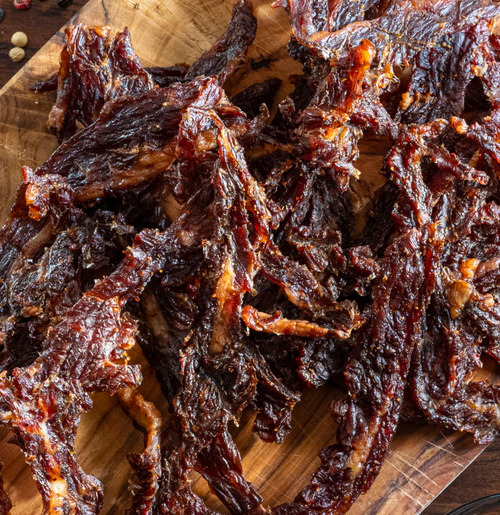
Have you ever wondered why some jerky is rich, tender, and satisfying, while others are tough and dry? The secret lies in the fat. While traditional jerky is often made from lean cuts, high-fat jerky takes snacking to a whole new level, offering not just incredible flavor but also important nutritional and functional benefits. Let’s dive into the role of fat in high-fat jerky and why it’s about more than just taste.
Fat Enhances Texture and Mouthfeel
One of the biggest advantages of fat in jerky is the way it improves texture. Fat acts as a natural tenderizer, preventing the meat from becoming overly dry and chewy. Here’s how it makes a difference:
Moisture Retention – Fat helps lock in natural juices, keeping the jerky tender instead of brittle.
Buttery Mouthfeel – The fat melts as you chew, creating a smooth and satisfying texture.
Balanced Chewiness – While lean jerky can sometimes be tough, fat makes each bite easier to chew and more enjoyable.
Fat is a Powerful Flavor Carrier
Fat doesn’t just add its own rich taste—it enhances the overall flavor experience of the jerky. That’s because fat absorbs and holds onto seasonings better than lean meat does, allowing flavors to develop more fully.
Amplifies Umami – The natural savoriness of beef is more pronounced when fat is present.
Boosts Spices and Smoke – Whether it’s a smoky, peppery, or sweet jerky, fat helps carry and intensify these flavors.
Reduces the Need for Added Sugars – Many lean jerkies rely on sugar or artificial flavors to enhance taste, but high-fat jerky delivers bold flavor naturally.
Nutritional Benefits of Fat in Jerky
Beyond taste and texture, fat in jerky plays an important role in nutrition, particularly for those following high-fat, low-carb diets like keto or carnivore.
Long-Lasting Energy – Fat provides a slow-burning fuel source, keeping energy levels steady without sugar crashes.
Increased Satiety – Fat keeps you feeling full for longer, making high-fat jerky a great option for appetite control.
Essential Nutrients – Fat from quality beef contains important fat-soluble vitamins like A, D, E, and K, as well as omega-3s when sourced from grass-fed cattle.
Does Fat Affect the Shelf Life of Jerky?
A common misconception is that fatty jerky spoils faster than lean jerky. While fat can oxidize over time, proper storage techniques—such as vacuum sealing and refrigeration—can keep high-fat jerky fresh for an extended period. Many high-quality brands use natural curing processes to ensure both longevity and safety.
Fat in high-fat jerky does much more than add flavor—it enhances texture, boosts nutritional value, and provides long-lasting energy. If you’ve only tried lean jerky, it’s time to experience the richer, more satisfying world of high-fat jerky. The difference is undeniable. Have you tried high-fat jerky? Let us know what you think!