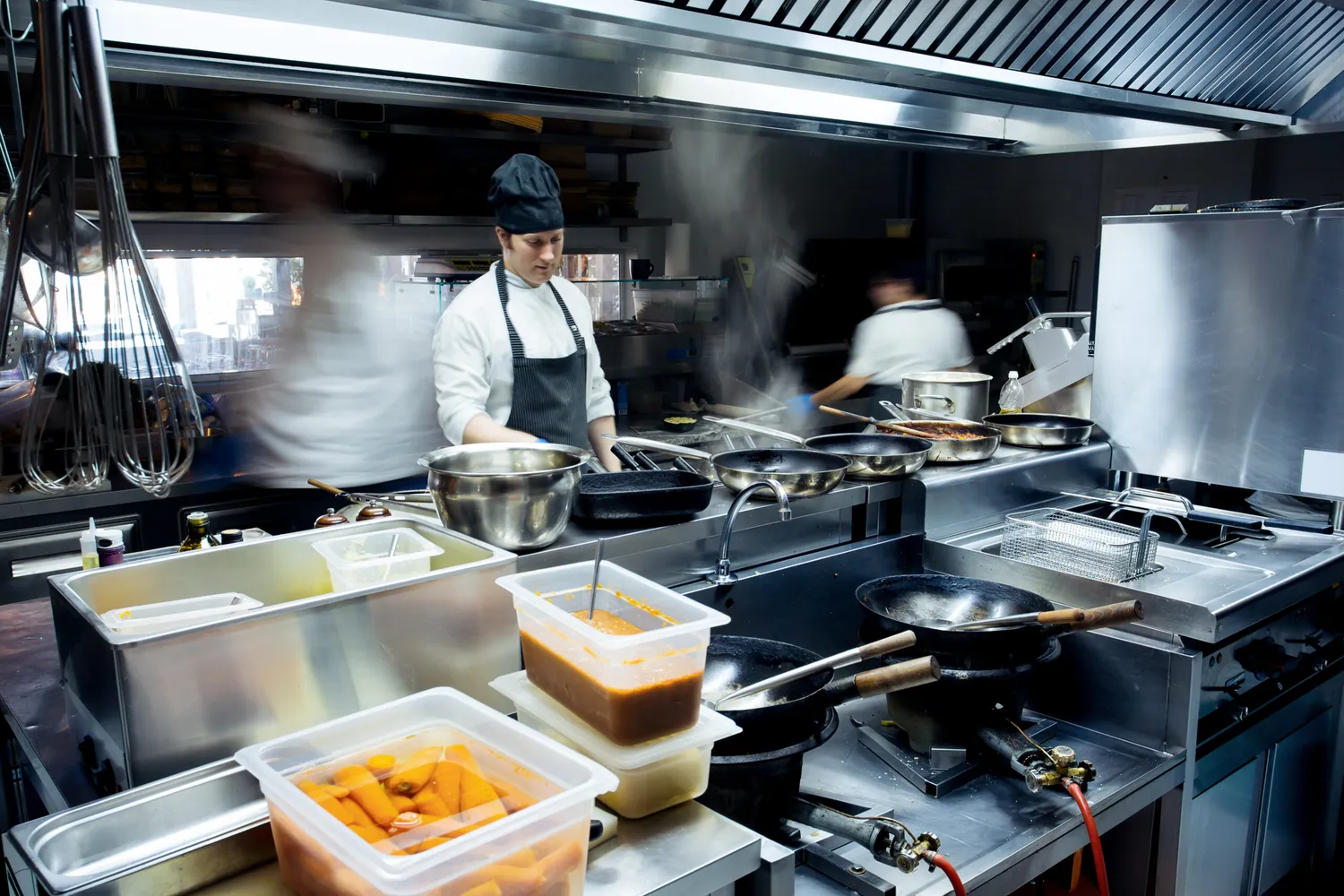
Commercial kitchen spaces in major cities worldwide are preparing thousands of meals daily without dining tables or waiters. These ghost kitchens focus solely on food delivery, marking a significant shift in the restaurant industry.
Consumer preferences have moved toward home delivery of restaurant-quality meals, a trend that accelerated during the COVID-19 pandemic. Ghost kitchens, also known as dark kitchens or cloud kitchens, emerged as dedicated commercial cooking facilities that prepare meals exclusively for delivery.
This model and virtual restaurants attract both established restaurant chains expanding their delivery operations and new entrepreneurs launching food concepts.
Ghost Kitchens: The New Business Model
The model centers on efficiency and reduced overhead. A single facility often houses multiple virtual brands, each operating from the same kitchen space. Menus range from specialty items like lamb kebab to gourmet burgers, allowing operators to cater to diverse customer preferences without the constraints of a traditional restaurant concept.
Cost Structure
Ghost kitchens eliminate several traditional restaurant expenses:
- Front-of-house staff
- Dining room maintenance
- Location-based marketing
- Restaurant decor and ambiance
Instead, they invest in:
- Kitchen equipment
- Delivery partnerships
- Digital Marketing
- Food preparation staff
Space Utilization
These facilities maximize kitchen space efficiency. A 2,000-square-foot facility can host up to six different food brands, each operating simultaneously. The shared kitchen model reduces individual brand costs while increasing overall kitchen productivity.
Digital Integration
Orders flow directly from delivery apps to kitchen display systems, streamlining operations. Staff focus solely on food preparation, with delivery partners handling the customer-facing aspects of service.
Evolution and Market Growth
Global Origins
Ghost kitchens gained initial traction in Asia, particularly in China and India. By 2019, China reported over 60% of its population using food delivery apps, establishing a model that would later influence global markets.
Market Value
The U.S. ghost kitchen sector reached $2.6 billion in 2022. Industry forecasts suggest ghost kitchens could capture 50% of the drive-through and delivery takeout market by 2030, indicating substantial growth potential.
Regional Adoption
The adoption of ghost kitchens varies significantly across global regions. Asia maintains its position as the leader in ghost kitchen infrastructure, with extensive networks operating throughout major cities. North American markets distinguish themselves through advanced technology integration and sophisticated multi-brand operations.
European ghost kitchens prioritize maintaining high-quality standards and brand consistency, while Middle Eastern markets excel at blending traditional cuisine preparation methods with modern delivery systems.
Investment Trends
The ghost kitchen sector continues to attract substantial investment from diverse sources. Major restaurant chains have committed significant resources to ghost kitchen operations, focusing on:
- Technology infrastructure
- Kitchen Automation
- Delivery partnerships
- Menu digitization
Venture capital firms and established food industry players show increasing interest in the sector, demonstrating strong confidence in the model's future growth potential. This investment surge supports rapid technological advancement and operational refinement across the industry.
Key Advantages of the Ghost Kitchen Model
Cost Efficiency
Ghost kitchens drastically reduce operational expenses by eliminating traditional restaurant costs. By focusing solely on food preparation, these facilities cut overhead expenses by 30-50% compared to conventional restaurants. Rent costs decrease significantly as kitchens operate in industrial areas rather than premium retail locations.
Operational Flexibility
The model allows unprecedented menu flexibility and rapid market testing. Kitchens can quickly adjust their offerings based on customer demand. For example, a kitchen specializing in lamb kebab can easily expand to other Mediterranean dishes or launch entirely new cuisine concepts without significant additional investment.
Location Strategy
Ghost kitchens select locations based on delivery coverage rather than foot traffic.
Delivery optimization has become a crucial factor in location selection. Kitchens strategically position themselves in areas with high delivery demand, often serving multiple high-density residential zones from a single facility. This approach maximizes delivery efficiency while maintaining food quality during transport.
Brand Experimentation
The low-risk environment enables continuous brand innovation. Operators can launch new concepts without the substantial investment traditional restaurants require. This flexibility allows quick response to emerging food trends and changing consumer preferences.
Resource Management
Ghost kitchens optimize resource allocation through:
- Shared equipment usage
- Combined ingredient procurement
- Efficient staff scheduling
- Streamlined waste management
This integrated approach to resource management significantly improves operational efficiency while reducing environmental impact.
Navigating Challenges in the Ghost Kitchen Space
Market Competition
The low barrier to entry in the ghost kitchen sector has led to intense market competition. New virtual brands launch daily, making it increasingly difficult to stand out on delivery platforms. Specialty cuisine providers face particular pressure to maintain authenticity while competing with numerous similar offerings.
Quality Control
Maintaining consistent food quality presents unique challenges in the delivery-only model. Ghost kitchens must develop robust systems to ensure food arrives at the optimal temperature and presentation quality.
Temperature management, packaging design, and delivery timing all play crucial roles in maintaining food quality. Kitchens must invest in specialized equipment and packaging solutions to preserve the integrity of their dishes during transport.
Platform Dependency
Reliance on third-party delivery platforms creates several operational challenges:
- High commission fees cutting into profit margins
- Limited direct customer interaction
- Complex order management across multiple platforms
- Reduced control over delivery timing
Brand Recognition
Building brand loyalty without physical locations requires innovative marketing approaches. Ghost kitchens must establish trust and recognition purely through digital presence and consistent quality. Success depends on:
Strategic social media presence and digital marketing have become essential tools for ghost kitchen brands. These efforts focus on creating memorable online experiences that compensate for the lack of physical restaurant ambiance.
Staff Training
The specialized nature of ghost kitchen operations demands unique staff training protocols. Kitchen teams must master:
- Multiple menu concepts simultaneously
- Complex order management systems
- Strict quality control procedures
- Time-sensitive preparation schedules
Supply Chain Management
Efficient inventory management proves challenging with multiple brands operating from one kitchen. Operators must balance:
Stock freshness and ingredient quality remain top priorities, particularly for specialized menus. Ghost kitchens must maintain robust supplier relationships while managing storage constraints and varying demand patterns across different cuisine types.
Virtual Restaurants: A Related Innovation
Distinct Business Model
Virtual restaurants operate differently from traditional ghost kitchens. These digital-only brands often utilize existing restaurant kitchens to prepare delivery-exclusive menus. Unlike ghost kitchens, which operate as standalone facilities, virtual restaurants leverage established kitchen infrastructure to create new revenue streams.
Operational Advantages
Virtual restaurants enable existing restaurants to maximize kitchen capacity during off-peak hours. A traditional Mediterranean restaurant might launch a specialized lamb kebab delivery brand during slow periods, utilizing existing equipment and staff while reaching new customers through delivery platforms.
Brand Diversity
The virtual restaurant model supports menu experimentation without disrupting existing operations.
Create entirely new cuisine concepts, test market demand, and adapt quickly to changing consumer preferences. This flexibility allows restaurants to maintain their core business while exploring new market opportunities through delivery-only brands.
Cost Structure
Virtual restaurants present unique financial benefits:
- Minimal additional overhead costs
- Shared kitchen equipment usage
- Existing staff utilization
- Reduced startup risks
Technology Integration
Digital ordering systems form the backbone of virtual restaurant operations.
Seamless coordination between traditional restaurant service and virtual brand orders keeps operations running smoothly. Staff can efficiently manage multiple menus and brands through integrated digital systems, maintaining quality across all offerings.
Market Positioning
Virtual restaurants fill specific market gaps.
These brands focus on creating distinctive online identities that complement rather than compete with their parent restaurants. Success depends on developing unique menu items and brand personalities that resonate with delivery customers.
Future Outlook and Industry Impact
Technological Advancement
Kitchen automation continues to reshape ghost kitchen operations. Advanced robotics now handle basic food preparation tasks, while AI-powered systems optimize ordering and delivery patterns.
Sustainability Initiatives
Environmental consciousness drives new operational practices in ghost kitchens.
Sustainable practices extend beyond food preparation to impact every aspect of operations. Ghost kitchens increasingly adopt eco-friendly packaging solutions and implement sophisticated waste reduction systems, setting new standards for restaurant sustainability.
Hybrid Models
The future points toward blended operational models. Traditional restaurants increasingly adopt ghost kitchen elements, while delivery-only brands explore limited physical presence.
This evolution creates flexible food service operations that combine the efficiency of ghost kitchens with selective customer-facing elements. These hybrid models adapt to changing consumer preferences while maintaining operational efficiency.
Market Integration
Ghost kitchens continue to influence broader food service trends.
Industry consolidation accelerates as successful ghost kitchen operators expand their reach. Large restaurant groups invest in centralized delivery hubs, while technology companies develop specialized solutions for virtual food brands.
Consumer Behavior Impact
Digital ordering habits reshape restaurant operations across all segments. Ghost kitchens lead innovation in:
- Personalized menu recommendations
- Automated order processing
- Real-time delivery tracking
- Dynamic pricing models
Economic Implications
The ghost kitchen model creates new opportunities in food service:
Employment patterns shift as traditional server roles decrease while specialized kitchen staff and delivery personnel positions grow. This transformation requires new training programs and skill development initiatives across the industry.
Takeaway
The success of these models depends on maintaining high food quality while maximizing operational efficiency. Restaurants that master this balance position themselves for sustained growth in the delivery-focused market.
As the industry continues to evolve, ghost kitchens and virtual restaurants will likely play an increasingly important role in shaping food service operations. Their influence extends beyond delivery-only concepts to impact how traditional restaurants approach expansion and market presence.