Is your old water heater giving you trouble, or are you building a new home and wondering about the best way to ensure a steady supply of hot water? Whether you're facing cold showers or trying to make your home more energy-efficient, installing a new water heater can be a smart, cost-effective solution.
This guide will walk you through everything you need to know about water heater installation—from choosing the right type of unit to understanding the installation process and key factors to consider. By the end, you'll have a clearer picture of what’s involved and how to make the best decision for your home.
Why Water Heater Installation Matters
Let’s face it—having access to hot water is essential for modern living. Your water heater is the backbone of comfortable showers, clean dishes, and fresh laundry. But the installation process can be tricky, especially if you're unfamiliar with the different types of water heaters and what each one requires.
Proper installation is crucial for several reasons:
- Efficiency: A correctly installed water heater runs more efficiently, which can save you money on energy bills.
- Safety: Poor installation can lead to leaks, water damage, or even gas leaks in certain systems.
- Longevity: A well-installed unit is less likely to break down prematurely, ensuring that you get the most out of your investment.
Types of Water Heaters: Which One is Right for You?
Before diving into the installation process, you need to choose the right water heater for your home. There are several types to consider, each with its own advantages and drawbacks.
1. Traditional Tank Water Heaters
This is the most common type of water heater found in homes across the United States. It stores hot water in a large insulated tank and keeps it heated, ready for use whenever you need it.
- Pros: Affordable upfront costs, available in multiple sizes to fit your home’s water needs.
- Cons: Continuous energy use to keep the water heated, takes up space in your home, and has a limited supply of hot water.
2. Tankless Water Heaters
Also known as on-demand water heaters, tankless systems heat water only when you turn on the faucet, which can lead to significant energy savings.
- Pros: Endless hot water supply, more energy-efficient, compact size.
- Cons: Higher upfront cost, may require electrical or gas system upgrades.
3. Heat Pump Water Heaters
Heat pump water heaters, or hybrid heaters, use electricity to move heat from the air or ground into the water, making them incredibly energy-efficient.
- Pros: Lower energy costs, environmentally friendly.
- Cons: Higher upfront costs, slower to heat water, and may not work as well in colder climates.
4. Solar Water Heaters
Solar water heaters harness the power of the sun to heat your water, making them one of the most eco-friendly options available.
- Pros: Extremely energy-efficient and environmentally friendly, reduces energy bills.
- Cons: High initial cost and installation complexity, reliant on sunny weather for maximum efficiency.
5. Condensing Water Heaters
For homes that use natural gas as their main energy source, condensing water heaters are a highly efficient option. They use the exhaust gases from your home's heating system to heat the water.
- Pros: Energy-efficient and ideal for large households with high water usage.
- Cons: Requires a dedicated venting system and higher upfront costs.
The Installation Process: What to Expect
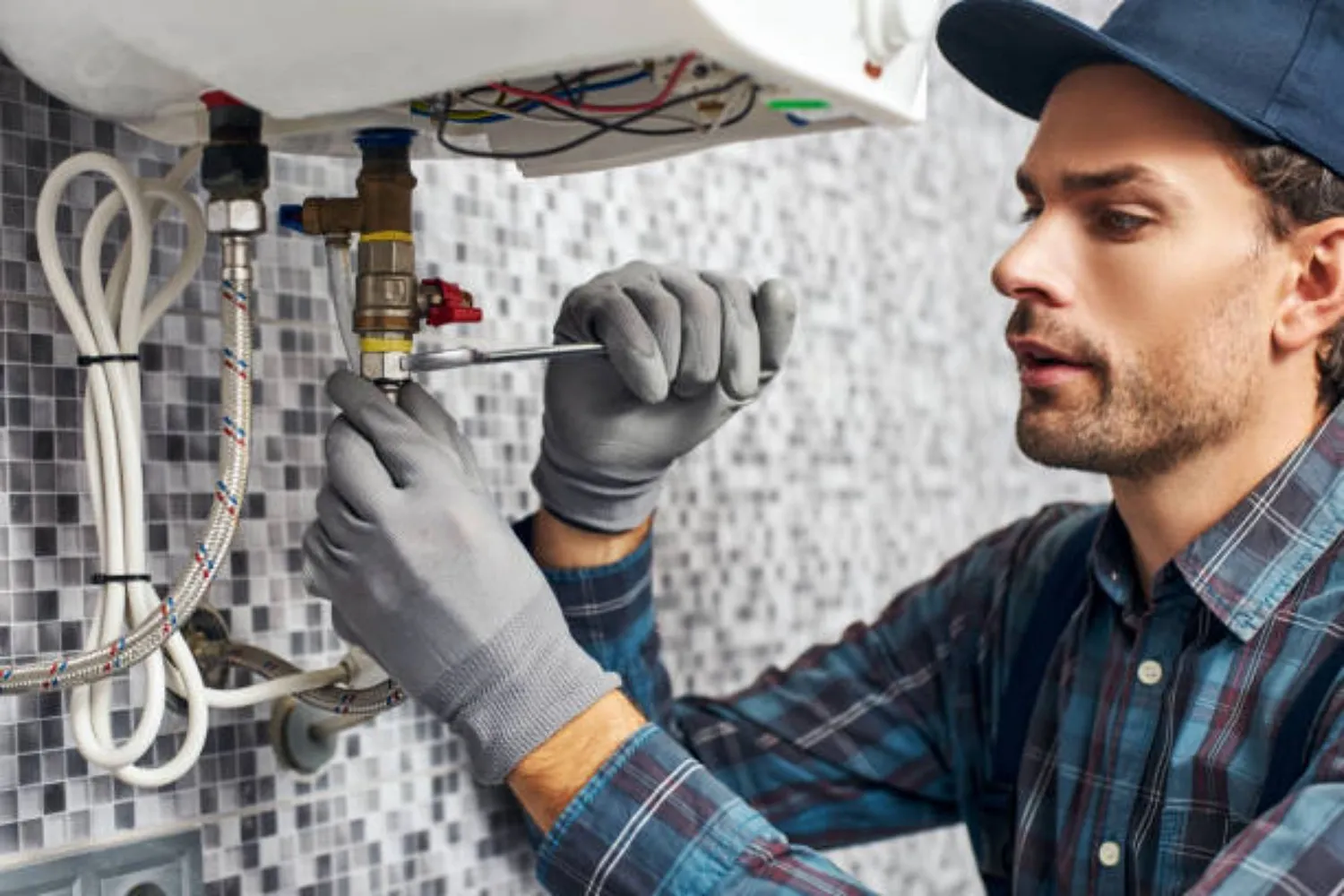
Installing a water heater might seem simple, but it involves a lot of technical steps that require experience and precision. Most homeowners hire a professional plumber or HVAC technician to ensure everything is installed correctly and meets local codes.
Here’s what the typical installation process looks like:
1. Choosing the Right Location
Your water heater needs to be installed in a spot that meets local building codes and allows for proper ventilation. If you're replacing an old unit, it usually makes sense to install the new heater in the same location. However, if you're switching from a traditional tank to a tankless system, for example, you may need to make adjustments to the electrical or gas lines.
2. Removing the Old Unit
If you're replacing an existing water heater, the first step is to turn off the power or gas supply and drain the tank. The old water heater is then disconnected from the water lines, gas or electric connections, and carefully removed.
3. Installing the New Heater
Once the old unit is out, the new heater is brought in and connected to your home's water, gas, or electrical lines. This step is crucial because improper connections can lead to leaks, inefficiency, or even dangerous gas buildup.
4. Testing and Inspection
After everything is connected, the technician will test the water heater to ensure it's functioning properly. They'll check for any leaks, make sure the water heats up correctly, and verify that all safety features are working. At this stage, it's important to ensure that any gas lines are sealed correctly and electrical connections are up to code.
5. Maintenance Tips
Once your new water heater is installed, the technician will likely provide you with maintenance tips to extend the life of your unit. This could include flushing the tank annually (for tank-based heaters), checking the anode rod, or cleaning the air intake filters (for tankless systems).
DIY vs. Professional Installation: Should You Do It Yourself?
Thinking about installing your water heater on your own? While it’s possible, it’s not always the best idea unless you have a strong understanding of plumbing, electrical, or gas systems. Here’s why professional installation is often the smarter route:
- Expertise: Professionals understand local building codes and can ensure everything is installed safely and efficiently.
- Warranties: Many water heater manufacturers require professional installation to maintain their warranties.
- Time and Hassle: Installing a water heater isn’t a quick project. Hiring a professional saves you time, stress, and ensures the job is done right the first time.
If you're handy and experienced with home repairs, installing a basic electric tank water heater might be within your skillset. However, if you're dealing with gas lines, tankless systems, or complex electrical upgrades, it's best to call in the pros.
The Cost of Water Heater Installation
The cost of installing a new water heater can vary widely depending on the type of unit, your home’s layout, and the complexity of the installation. Here’s a rough estimate of what you can expect:
- Traditional Tank Water Heater: $600 to $1,200 (including installation)
- Tankless Water Heater: $1,500 to $3,500 (including installation)
- Heat Pump Water Heater: $1,200 to $3,000
- Solar Water Heater: $3,000 to $8,000
These figures include labor costs, but if you need additional plumbing or electrical work, the price could go up. Always get multiple quotes and check for any local rebates or incentives, especially if you’re going with an energy-efficient option.
Conclusion
Installing a new water heater is one of those projects that can seem overwhelming, but with the right knowledge and professional help, it's a worthwhile investment. Whether you're upgrading to a more energy-efficient model or simply replacing an old, failing unit, the installation process plays a huge role in how well your water heater performs.