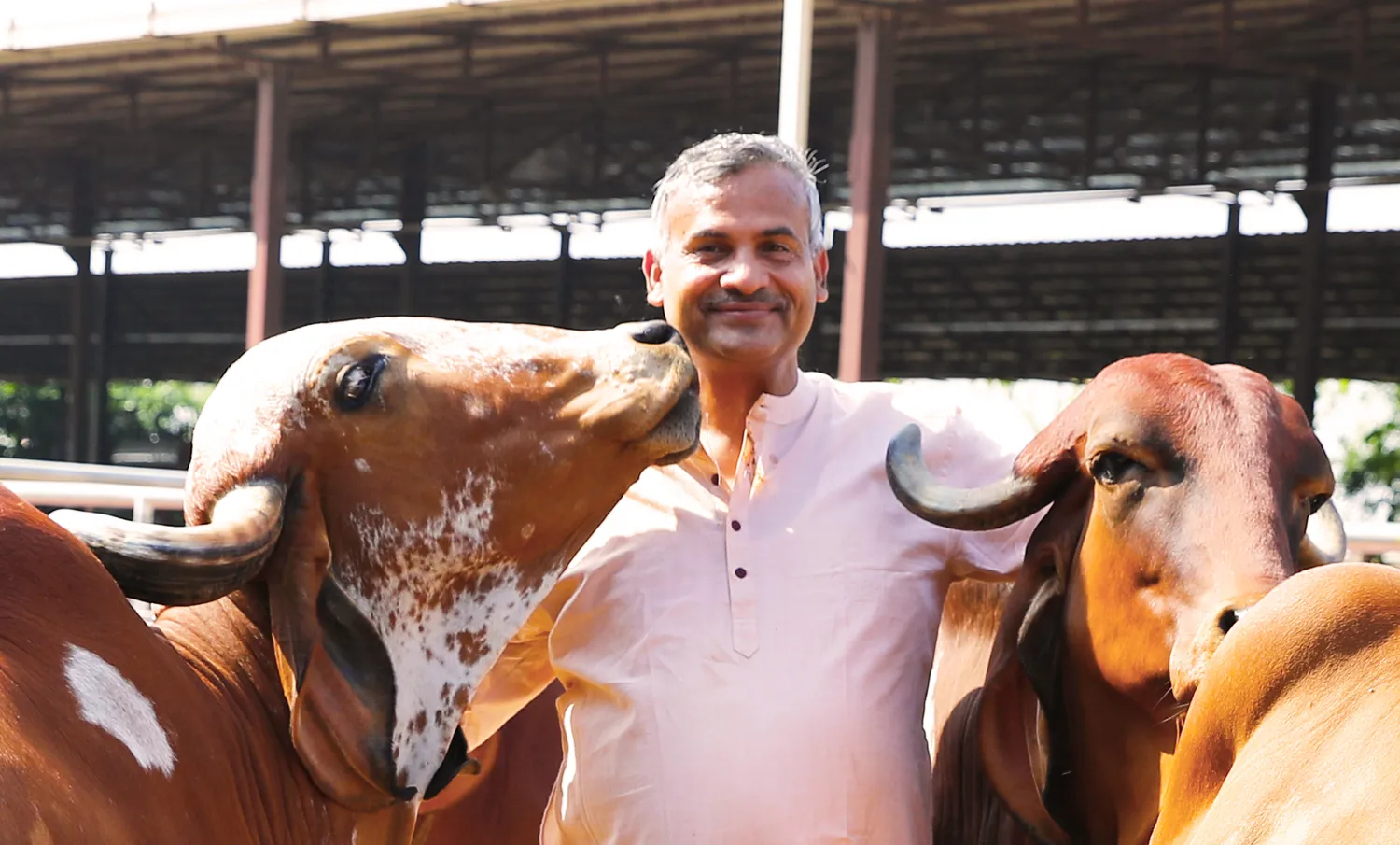
Breeding Indigenous Zebu cattle, known for their distinctive hump and resilience, offers a promising avenue for sustainable livestock farming, especially in tropical and subtropical regions. These cattle, originating from South Asia, have spread to various parts of the world due to their exceptional adaptability to harsh climates and disease resistance. This article delves into the benefits, methods, and considerations for breeding Indigenous Zebu cattle, emphasizing their role in sustainable agriculture.
The Advantages of Indigenous Zebu Cattle
- Adaptability to Harsh Climates: One of the most significant advantages of Zebu cattle is their ability to thrive in extreme conditions. Their thick skin, short coat, and ability to sweat efficiently make them particularly suited to hot, humid environments. This adaptability reduces the need for climate control measures, thereby lowering farming costs and energy consumption.
- Disease Resistance: Zebu cattle possess a natural resistance to many diseases prevalent in tropical regions, such as tick-borne illnesses. This resistance minimizes the need for chemical treatments and antibiotics, promoting healthier livestock and reducing the risk of drug-resistant pathogens.
- Efficient Feed Utilization: These cattle are known for their ability to efficiently utilize low-quality forage, which is often the only type available in arid and semi-arid regions. This efficiency ensures that they can maintain productivity even in areas where other cattle breeds might struggle to survive.
- Longevity and Reproductive Efficiency: Zebu cattle have a longer productive lifespan compared to many other breeds. Their reproductive efficiency, characterized by high fertility rates and strong maternal instincts, ensures steady herd growth and stability.
Breeding Methods and Strategies
- Selective Breeding: Selective breeding involves choosing the best individuals from the herd based on desirable traits such as disease resistance, heat tolerance, and efficient feed conversion. Over generations, these traits become more pronounced, resulting in a robust herd well-suited to local conditions.
- Crossbreeding: Crossbreeding Zebu cattle with other breeds can combine the best traits of both. For instance, crossbreeding Zebu with European breeds can enhance meat or milk production while retaining the hardiness and disease resistance of the Zebu. However, careful management is needed to maintain the genetic diversity and adaptability of the herd.
- Artificial Insemination (AI): AI allows farmers to introduce superior genetics into their herd without the need for transporting live animals. This method is particularly useful in regions with limited access to high-quality breeding stock. AI can accelerate genetic improvement and help disseminate desirable traits more quickly.
Considerations for Successful Breeding
- Genetic Diversity: Maintaining genetic diversity is crucial to avoid inbreeding depression, which can lead to a decline in fertility, disease resistance, and overall vitality. Farmers should manage breeding programs to ensure a broad genetic base within the herd.
- Health Management: While Zebu cattle are generally hardy, proactive health management is essential to maximize their productivity. Regular health checks, vaccinations, and parasite control should be part of the breeding program to ensure the herd remains healthy.
- Nutrition: Providing adequate nutrition is vital for the reproductive success of the herd. While Zebu cattle can utilize low-quality forage, supplementing their diet with essential nutrients, especially during critical periods like pregnancy and lactation, can enhance their productivity and the health of their offspring.
- Record Keeping: Detailed record keeping of breeding practices, health interventions, and productivity metrics is essential for evaluating the success of breeding programs. These records help identify trends, make informed decisions, and track genetic progress over time.
The Role of Indigenous Zebu Cattle in Sustainable Agriculture
Breeding Indigenous Zebu cattle aligns with sustainable agriculture principles by promoting environmental stewardship, economic viability, and social responsibility. Their ability to thrive in marginal environments reduces the pressure on natural resources, while their disease resistance and efficient feed utilization lower the reliance on chemical inputs. Additionally, Zebu cattle can contribute to the livelihoods of smallholder farmers by providing a stable source of income through meat, milk, and draught power.

Moreover, Zebu cattle play a crucial role in preserving biodiversity and cultural heritage. In many regions, these cattle are integral to traditional farming systems and hold cultural significance. By promoting the breeding and conservation of Indigenous Zebu cattle, we can help maintain these cultural practices and support the resilience of local communities.
Challenges and Future Directions
While the benefits of breeding Indigenous Zebu cattle are substantial, challenges remain. Access to quality breeding stock, knowledge of advanced breeding techniques, and resources for health management can be limited, especially for smallholder farmers. Addressing these challenges requires a collaborative effort between governments, research institutions, and agricultural organizations to provide education, resources, and support.
Future directions in Zebu cattle breeding should focus on integrating modern technologies such as genomic selection and precision farming to enhance the efficiency and effectiveness of breeding programs. These technologies can help identify superior genetic traits more accurately and manage herds more efficiently, leading to improved productivity and sustainability.
Conclusion
Breeding Indigenous Zebu cattle offers a sustainable solution for livestock farming in tropical and subtropical regions. Their adaptability, disease resistance, and efficient feed utilization make them an invaluable asset for farmers facing the challenges of climate change and resource scarcity. By adopting effective breeding strategies and supporting smallholder farmers, we can harness the full potential of Zebu cattle to enhance food security, promote sustainable agriculture, and preserve cultural heritage. As we look to the future, embracing the strengths of Indigenous Zebu cattle will be key to building resilient and sustainable agricultural systems worldwide.