Introduction:
Archival photography plays a vital role in preserving historical moments, documenting cultural heritage, and providing insights into the past. For many years, black and white photography has been the primary medium for capturing these significant moments. However, with the advent of black and white photo colorizers, we now have the opportunity to breathe new life into these archival photographs by adding color. In this blog, we will explore the impact of black and white photo colorizers on archival photography, the benefits they offer, and the considerations involved in colorizing these treasured images.
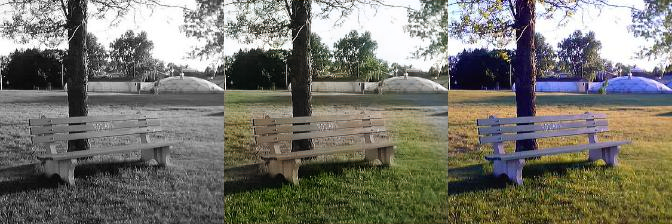
Preserving History Through Archival Photography:
Archival photography serves as a valuable resource for historians, researchers, and enthusiasts, allowing them to delve into the past and gain a deeper understanding of various periods, events, and cultures. Black and white photographs, in their classic monochromatic form, have successfully documented these historical moments, evoking a sense of timelessness and authenticity.
The Evolution of Black and White Photo Colorizers:
The introduction of black and white photo colorizers has revolutionized the way we engage with archival photography. These advanced tools utilize sophisticated algorithms and artificial intelligence to analyze the grayscale tones of black and white images and intelligently apply realistic and historically accurate colors, transforming the photographs into vibrant representations of the past.
The Impact on Archival Photography:
Enhanced Visual Engagement:
By adding color to archival photographs, black and white photo colorizers enhance the visual engagement of viewers. Colorized images have a greater impact and draw attention to specific details, textures, and elements that may have been overlooked in their original black and white form.
Revitalizing Historical Moments:
Colorization breathes new life into archival photographs, making them more relatable and relevant to contemporary audiences. Adding color to these images allows viewers to connect on a deeper level, bridging the gap between the past and the present.
Conveying Historical Accuracy:
Black and white photo colorizers can assist in portraying historical accuracy when colorizing archival photographs. Through careful research and attention to detail, colorizers can recreate historically accurate color palettes, enabling a more authentic representation of the time period being depicted.
Evoking Emotional Responses:
Color has the power to evoke emotions and create a stronger emotional connection to the subject matter. By adding color to archival photographs, colorizers can enhance the emotional impact of the images, enabling viewers to connect with the past on a more profound and personal level.
Considerations for Colorizing Archival Photographs
Research and Context:
When colorizing archival photographs, it is crucial to conduct thorough research and consider the historical context. Understanding the time period, cultural norms, and color conventions of the era helps ensure the colorization is accurate and respectful to the original intent of the photograph.
Preservation of Integrity:
It is important to strike a balance between enhancing archival photographs through colorization and preserving their integrity as historical artifacts. Care should be taken to ensure that the colorization process does not compromise the original content or alter the historical significance of the image.
Collaboration with Experts:
Collaborating with historians, curators, and experts in the field can provide valuable insights and guidance during the colorization process. Their expertise can contribute to the accuracy and authenticity of the colorized archival photographs.
Documentation and Metadata:
Proper documentation and metadata play a crucial role in maintaining the integrity and historical value of colorized archival photographs. Accurate records should be kept, detailing the colorization process, sources of research, and any modifications made to the original image.
Conclusion:
The introduction of black and white photo colorizers has had a profound impact on archival photography, offering new possibilities for engaging with historical moments. Through the addition of color, archival photographs are revitalized, enabling a deeper connection to the past and evoking emotional responses from viewers. However, the process of colorizing archival photographs requires careful consideration, research, and collaboration to ensure historical accuracy and preservation of integrity. By embracing black and white photo colorizers, we can enhance the impact of archival photography and continue to explore and appreciate our rich history in vibrant detail.