The heavy metal genre emerged in the late 1960s as a powerful and loud alternative to traditional rock. It was characterized by thick, monumental sounds and distorted guitar riffs. Over the decades, heavy metal bands have transformed from underground rebels into global icons of musical prowess and authenticity. This evolution has inspired millions of fans and shaped a unique subculture built on individualism.
The Origins of the Heavy Metal Sound
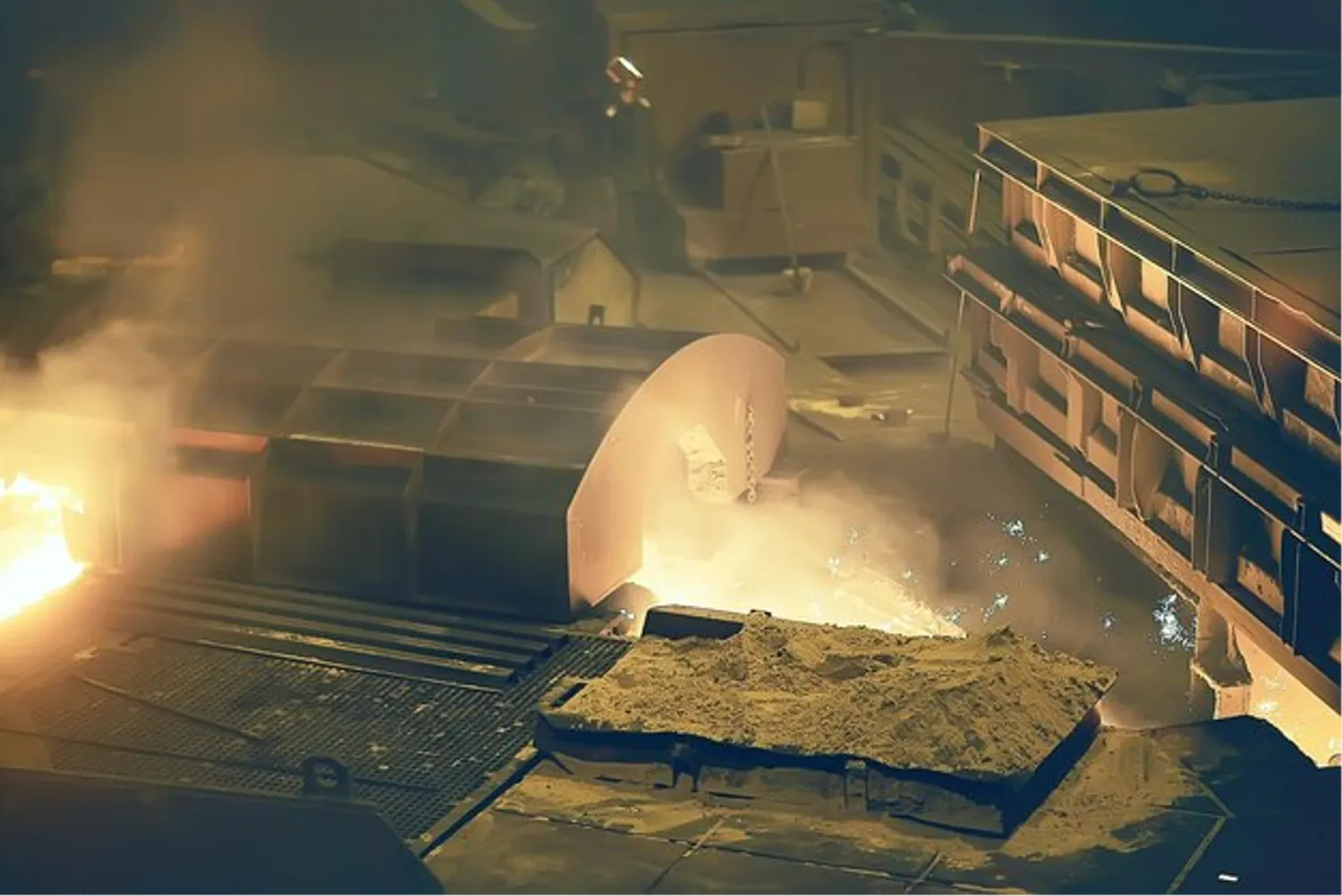
Heavy metal began its journey in industrial cities like Birmingham, where the harsh environment influenced the music’s aggressive tone. Early pioneers experimented with blues-rooted structures but added a level of volume and distortion never heard before. This new sound resonated with youth who felt alienated by the socio-economic changes of the 1970s.
British Pioneers and the First Wave
The UK was the undisputed birthplace of the genre, with legendary acts like Black Sabbath and Led Zeppelin leading the charge. These groups utilized "power chords" and dark, occult-themed lyrics to create a sense of mystery and power. Their influence laid the groundwork for every subgenre that would follow in the coming decades.
The New Wave of British Heavy Metal
By the late 1970s, a second surge known as the New Wave of British Heavy Metal (NWOBHM) arrived. Bands like Iron Maiden and Judas Priest introduced faster tempos and dual-guitar harmonies. This era refined the classic metal aesthetic, incorporating leather, studs, and high-pitched operatic vocals that became industry standards.
The Dark Descent into Black Metal
While traditional metal focused on power and skill, a more extreme and atmospheric branch began to grow in the shadows. Known for its raw production and shrieking vocals, black metal bands sought to push the boundaries of extremity. This movement prioritized atmosphere and ideological intensity over mainstream accessibility or commercial success.
The First Wave of Extremity
In the early 1980s, bands like Venom and Bathory started using the term "black metal" to describe their satanic themes. Their music was faster and more abrasive than standard heavy metal. These groups didn't just play music; they created a ritualistic experience that challenged the religious and social norms of the time.
The Norwegian Second Wave Explosion
The early 1990s saw the rise of the Norwegian scene, which defined the genre’s modern characteristics. Mayhem, Darkthrone, and Emperor introduced "corpse paint" and lo-fi recording techniques. This era is often remembered for its controversial history, but its musical contribution to the world of extreme art is undeniable and continues to thrive.
Conclusion
The journey of metal music is a testament to the power of artistic expression and the need for authenticity in a commercialized world. From the industrial riffs of the UK to the frozen landscapes of Norway, the genre has provided a sanctuary for those who seek something deeper and more intense than radio-friendly pop music.
Whether you prefer the soaring melodies of classic metal or the icy atmosphere of the underground, the impact of these movements remains strong. Today, the spirit of rebellion and technical excellence continues to drive new artists to explore the darkest corners of sound, ensuring that the legacy of metal will never truly fade from the global stage.