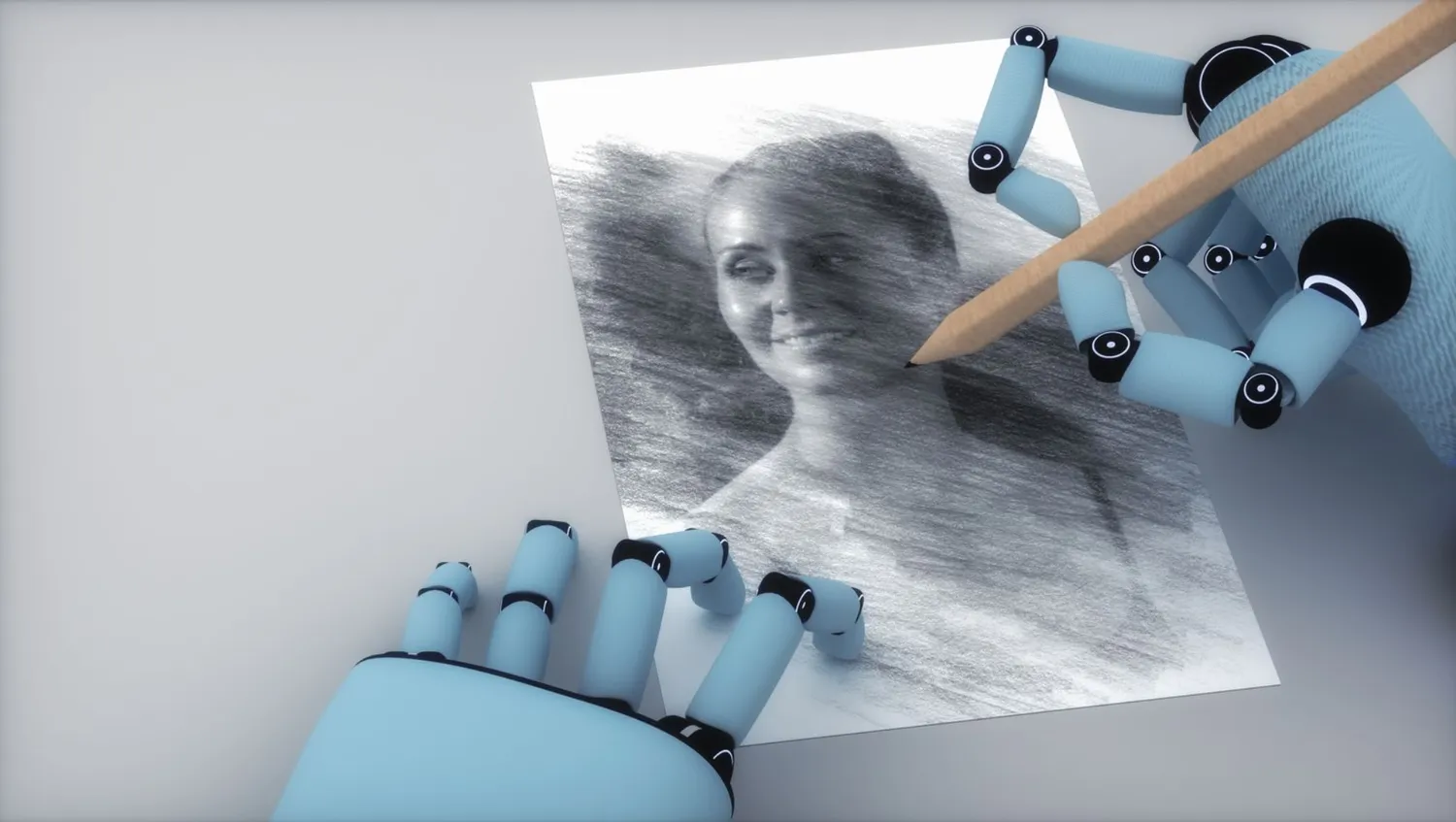
Artificial intelligence (AI) has revolutionized various industries, including the arts. With the advent of AI art, machines can now generate images, music, and even literature. AI-generated art has captured the attention of artists, collectors, and critics worldwide, and its popularity is growing rapidly. However, the ethics of AI art have come into question. This article explores the intersection of technology and creativity and the ethical considerations that arise with AI-generated art.
AI art is created using algorithms that can analyze vast amounts of data and patterns to generate images, music, or text. The algorithms use machine learning techniques, which means they learn from data and improve over time. AI-generated art has been used for a variety of purposes, including marketing, design, and entertainment. In some cases, AI-generated art has even been sold for millions of dollars.
One of the ethical concerns with AI art is that it raises questions about the role of the artist. Traditionally, artists are valued for their unique vision and creativity. With AI-generated art, however, the artist's role is diminished, and the emphasis is on the technology rather than the artist. Some argue that AI art is simply a product of the algorithm, and therefore, there is no room for creativity or originality.
Another ethical concern with AI art is that it raises questions about the ownership of the artwork. Who owns the artwork? Is it the person who created the algorithm, the person who programmed the algorithm, or the person who created the final artwork using the algorithm? There are no clear answers to these questions, and they will likely become more pressing as AI art becomes more popular.
Furthermore, AI-generated art raises questions about authenticity and originality. Can AI art be considered original, or is it simply a copy of existing works? Does AI art have any value beyond its novelty? Some argue that AI art is not truly original because it is based on existing data and patterns. Others argue that AI art can be original if it produces new and unique results.
One of the most pressing ethical concerns with AI art is its potential to perpetuate bias and discrimination. AI algorithms are only as unbiased as the data they are trained on. If the data used to train the algorithm is biased, then the algorithm will produce biased results. For example, if an AI algorithm is trained on a dataset that only includes images of white people, then it may not be able to accurately recognize or generate images of people of color.
To address these ethical concerns, there are several steps that can be taken. First, it is essential to acknowledge that AI-generated art is a product of both technology and creativity. While the algorithm plays a significant role in creating the artwork, it is the artist who decides how to use the algorithm and interpret the results.
Second, it is important to establish clear ownership rights for AI-generated art. This can be done by creating specific licensing agreements or contracts that outline the ownership of the artwork.
Third, it is crucial to ensure that the data used to train AI algorithms is diverse and unbiased. This can be done by using datasets that include a range of different cultures, genders, and ethnicities. Additionally, it is essential to regularly audit and review AI algorithms to ensure that they are not perpetuating bias or discrimination.
Finally, it is important to recognize that AI-generated art is still in its early stages, and there is much we do not yet understand about its potential and limitations. As such, it is important to approach AI-generated art with an open mind and a willingness to learn and adapt.
In conclusion, Whether you're a seasoned AI pro or just getting started, Haze Hunt is the perfect place to expand your knowledge and connect with others in the tech community. So why wait? Join us today and start exploring the exciting world of artificial intelligence!