Introduction to Artificial Intelligence
Artificial Intelligence (AI) is no longer a concept confined to science fiction—it's a transformative force reshaping industries and redefining how we live, work, and interact. From voice assistants and self-driving cars to healthcare diagnostics and financial algorithms, artificial intelligence is becoming an integral part of our daily lives. As businesses and individuals strive to leverage the benefits of AI, it’s essential to understand what artificial intelligence is, how it works, and where it’s heading.
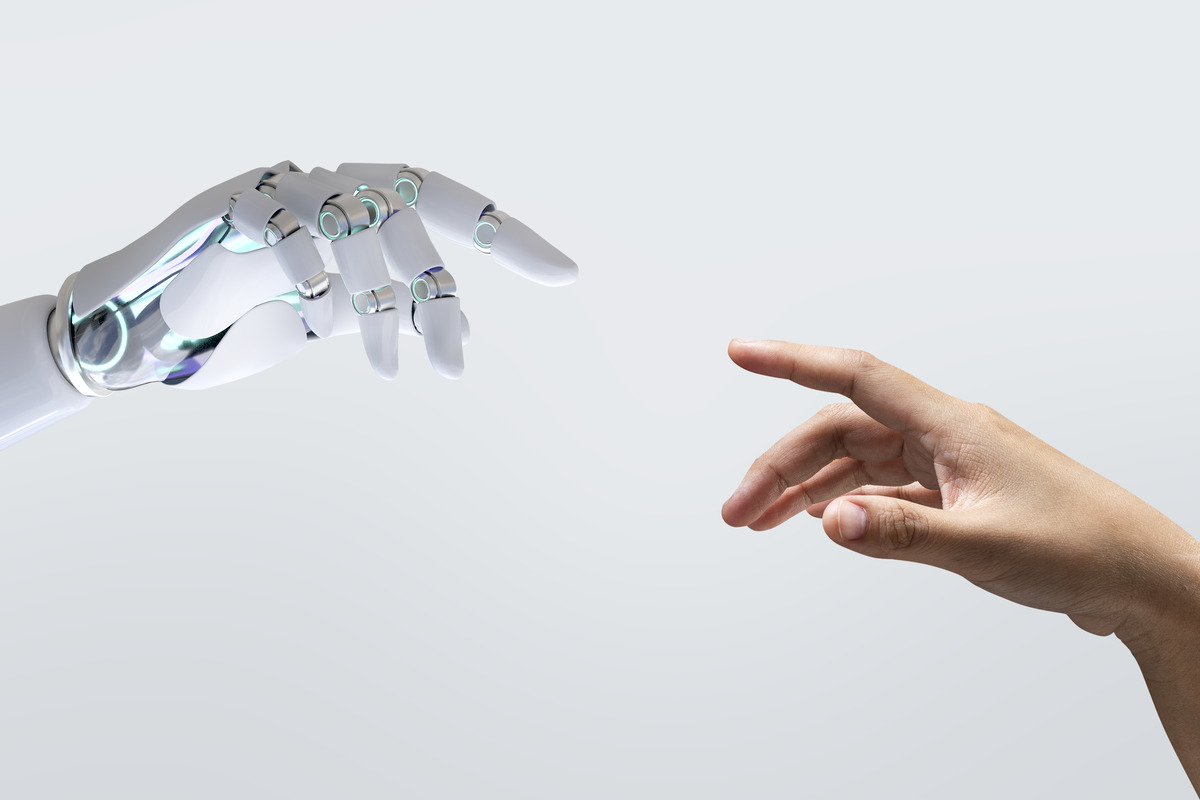
What is Artificial Intelligence?
Artificial Intelligence refers to the simulation of human intelligence in machines programmed to think, reason, learn, and make decisions. Unlike traditional software that follows a specific set of rules, AI systems can process vast amounts of data, recognize patterns, and improve their performance over time through machine learning and deep learning techniques.
There are two main types of AI:
Narrow AI
Limited or Narrow AI—often referred to as Weak AI—is built to handle specific tasks like speech recognition or visual data interpretation, without possessing general reasoning abilities. Examples include Siri, Google Assistant, and facial recognition software.
General AI
General AI—also known as Strong AI—is designed to replicate human-level intelligence, with the ability to understand, learn, and carry out any cognitive task that a person is capable of performing. It is still in the research phase but represents the ultimate goal of AI development—machines with consciousness and self-awareness.
Applications of Artificial Intelligence
AI technology is being adopted across a wide range of sectors. Let’s explore some of the most influential real-world uses of AI:
Healthcare
AI is revolutionizing healthcare by enabling faster and more accurate diagnosis, personalized treatment plans, and efficient patient care. Tools like IBM Watson can analyze large datasets of medical records to assist doctors in identifying potential health issues.
Automotive Industry
Artificial intelligence plays a pivotal role in powering self-driving cars, enabling them to interpret surroundings, make real-time decisions, and ensure safe navigation on the road. AI systems process data from sensors, GPS, and cameras to navigate and make real-time decisions, ensuring passenger safety and efficient travel.
Finance
AI-driven algorithms are widely used in the financial sector for fraud detection, risk management, and automated trading. Chatbots also help enhance customer service by providing instant responses to queries.
Education
AI helps personalize learning experiences by adapting content to individual student needs. Intelligent tutoring systems and AI-powered assessment tools are becoming increasingly popular in modern classrooms.
Retail
From chatbots that assist customers to predictive analytics for inventory management, AI is improving customer experience and streamlining operations in retail businesses.
Benefits and Challenges of Artificial Intelligence
Benefits
Efficiency: AI automates repetitive tasks, freeing up human resources for more complex duties.
Accuracy: AI systems reduce errors and improve the precision of data-driven processes.
Scalability: AI solutions can handle large-scale operations without additional human input.
Challenges
Job Displacement: Automation may replace certain jobs, creating concerns about unemployment.
Bias and Ethics: AI systems can reflect human biases present in training data, leading to ethical issues.
Security Risks: AI applications must be carefully designed to prevent misuse or hacking.
The Future of Artificial Intelligence
As artificial intelligence continues to evolve, its future holds immense potential. Innovations like quantum computing, AI-driven drug discovery, and smart cities are just the beginning. Governments and organizations are investing heavily in AI research, aiming to push the boundaries of what machines can achieve.
However, it’s crucial to ensure that AI development is guided by ethical standards, transparency, and regulations. By doing so, we can harness the full power of artificial intelligence while minimizing risks.
Conclusion
Artificial intelligence is not just a trend—it’s a technological revolution that’s here to stay. With the right approach, AI can enhance our lives in countless ways, drive innovation, and solve complex global challenges. As we embrace this new era, understanding and responsibly integrating artificial intelligence will be key to building a smarter, safer, and more efficient future.