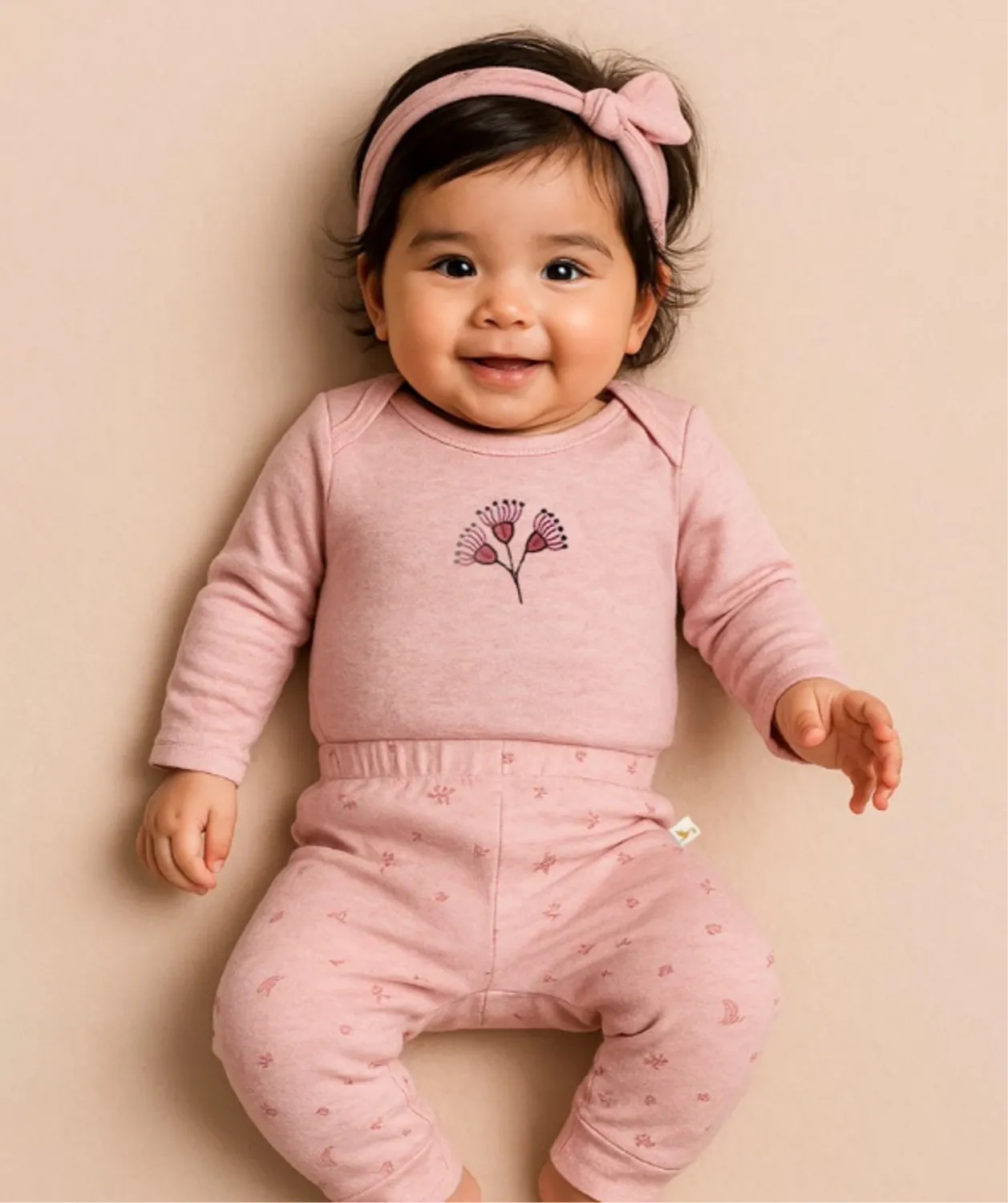
In the first few months of life, a baby’s world is made up of small but essential comforts: gentle touches, soft blankets, warm milk, and loving arms. As a parent, you do everything you can to keep your little one safe — and one of the simplest ways to do that is through the clothes they wear.
That’s why organic baby clothes are gaining attention. They're not just a fashion statement — they’re a reflection of conscious parenting, where health and sustainability go hand in hand.
What Makes Baby Clothes Organic?
Organic baby clothes are typically made from cotton that’s grown without pesticides, synthetic fertilizers, or harmful chemicals. The processing stage also skips the usual industrial bleaches and dyes, resulting in clothing that’s cleaner, softer, and safer for babies.
When a garment is certified by standards like GOTS (Global Organic Textile Standard), it’s a sign that every step — from soil to stitching — has met strict guidelines for environmental and human safety.
The Benefits of Going Organic for Your Baby
1. Protection for Delicate Skin
A baby’s skin is thinner and more absorbent than ours, making it more vulnerable to irritants. Clothes made from organic cotton are naturally hypoallergenic, making them a great choice for newborns, especially those with sensitive skin or allergies.
2. No Chemical Residue
Unlike conventional cotton clothes, which may retain traces of formaldehyde or artificial softeners, organic clothes are free from these residues. That means fewer chances of rashes, eczema, or long-term exposure to substances you’d rather avoid.
3. Breathable and Temperature Friendly
Organic cotton allows air to circulate naturally, helping regulate your baby’s temperature. This is particularly helpful in India’s varied climate — whether it’s a warm afternoon or a cool evening, organic fabrics keep your baby comfortable.
4. An Earth-Friendly Choice
Parents who choose organic clothing are also choosing to support sustainable farming. Organic cotton cultivation reduces water usage, avoids toxic chemicals, and encourages biodiversity — all while protecting the farmers and workers behind the fabric.
How to Choose the Right Organic Clothes
You don’t need to overhaul your entire wardrobe at once. Start small — a few bodysuits, a sleepsuit, a pair of breathable pants. Look for:
- Certification labels like GOTS or OEKO-TEX®
- Neutral colors or plant-based dyes
- Soft seams and tag-free interiors
- Comfort-first designs that make changing easy
Finding Organic Baby Clothes in India
While organic clothing was once considered niche or hard to find, it’s now much more accessible. Indian brands like OhMyBebe are creating thoughtful collections made entirely from certified organic cotton — designed for comfort, durability, and baby-safe quality. Their infant range includes all the essentials you’ll need, from rompers to coordinated outfit sets.
In Closing: A Kinder Choice That Lasts
Parenting comes with a million choices — some hard, some easy. Choosing what your baby wears might seem like a small detail, but it’s one of the first ways you can protect their health and comfort. And when that choice also protects the environment? It becomes even more powerful.
To learn more about how the organic babywear movement is growing in India, and how brands like OhMyBebe are leading the charge, you can read this feature on Tribune India: OhMyBebe’s Launch in India. It’s inspiring to see how conscious choices are becoming mainstream — one baby outfit at a time.