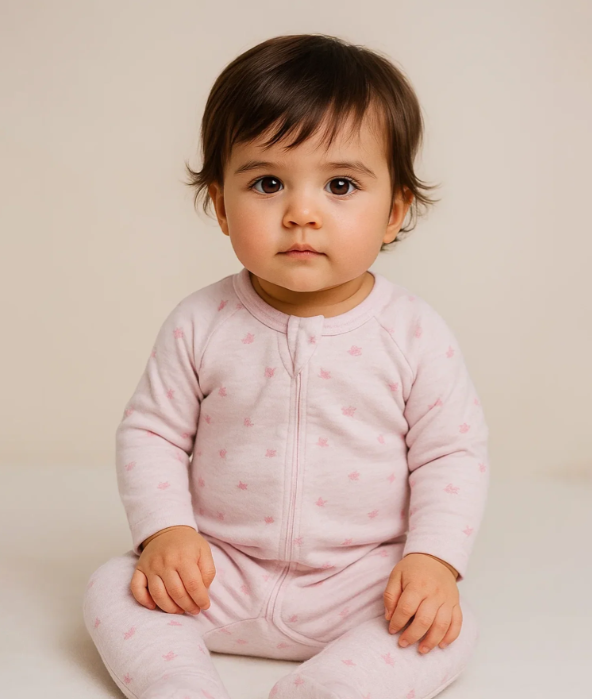
For new parents in India, dressing a baby isn't just about style—it’s about comfort, simplicity, and safety. That’s why baby rompers have quietly become one of the most loved pieces of baby clothing across Indian households.
Whether it’s a sleepy newborn, a playful 6-month-old, or a wiggly 1-year-old, rompers adapt beautifully to every stage of your baby’s first year. They’re more than just cute outfits—they're practical, skin-friendly, and incredibly versatile.
So, what makes baby rompers such an essential part of your baby’s wardrobe? Let’s explore in detail.
What Is a Baby Romper?
A baby romper is a one-piece outfit that covers the top and bottom of a baby’s body. It usually includes snap buttons or a zipper for quick changes. Some rompers are sleeveless for hot weather, while others have full sleeves and footed legs for cooler nights.
Unlike traditional baby clothing sets, rompers stay in place, don’t ride up, and don’t need constant adjusting. For busy parents managing sleep schedules, feedings, and diaper changes—rompers bring a sense of calm and convenience.
Why Indian Parents Prefer Rompers
1. All-in-One Ease
Newborns require frequent clothing changes—sometimes up to 4–6 times a day. Choosing individual tops and bottoms every time can be exhausting. Rompers eliminate that decision-making.
With just one soft, stretchable garment, your baby is dressed and ready in seconds. No mixing and matching, no fussy layers—just pure ease.
2. Ideal for India’s Weather
India’s climate ranges from intense summers to chilly winters, often changing within a single day. Rompers come in styles that suit all conditions:
- Sleeveless or half-sleeve cotton rompers for humid afternoons
- Full-sleeve or footed rompers for cooler evenings and AC rooms
- Mid-weight rompers that layer well under sweaters or shawls
Made from organic cotton, rompers allow the skin to breathe naturally—important for Indian summers when heat rashes are common in babies.
3. Kind to Sensitive Skin
A baby’s skin is five times more delicate than an adult’s. Synthetic fabrics and harsh dyes can cause irritation, especially in India’s tropical climate. Rompers made from GOTS-certified organic cotton are chemical-free, hypoallergenic, and extremely gentle.
They’re perfect for babies prone to eczema, diaper rash, or heat bumps—giving both baby and parent peace of mind.
Everyday Uses of a Romper
Indian parents are increasingly using rompers across different parts of their baby’s daily routine:
- Sleepwear: Comfortable for all-night wear, especially footed designs
- Daywear at home: Simple and easy for tummy time and crawling
- Outings: Cute prints make rompers ideal for shopping trips or visits to relatives
- Festive events: A romper with an ethnic motif or traditional pattern makes dressing up hassle-free
- Travel: Lightweight and easy to pack for family vacations or village trips
Whether you’re cuddling on the bed, doing a video call with grandparents, or heading to a doctor’s appointment—rompers work in every setting.
How Many Rompers Should You Buy?
Here’s a helpful romper checklist for babies aged 0–12 months:
- 6–8 everyday rompers for rotation and quick changes
- 2–3 long-sleeve or full rompers for cooler nights
- 1–2 festive or printed rompers for special occasions
- 2 spare rompers in your diaper bag for emergencies
Keep in mind that babies grow quickly, so it’s wise to buy across age sizes—0–3 months, 3–6 months, and 6–12 months.
What Makes a Good Romper?
If you're shopping for rompers in India, here are a few features to look for:
- Fabric: Choose 100% organic cotton for breathability and safety
- Neckline: Envelope-style or front-open makes dressing easier for newborns
- Buttons or Zippers: Nickel-free snaps or covered zippers are baby-safe
- No Harsh Seams: Flat seams and tagless designs reduce friction
- Prints and Dyes: Opt for pastel shades and natural dyes that won’t irritate
OhMyBebe rompers follow all of these guidelines—prioritizing baby comfort and parent convenience at every step.
How Rompers Complement Traditional Indian Babywear
Many Indian families still rely on jablas, langots, and dhotis for babywear—especially during the first 40 days. These clothes are rooted in comfort and cultural care. But rompers aren’t a replacement for tradition—they’re a modern addition.
You can use a romper under a jabla, or swap into one after a bath. They’re especially helpful when you’re stepping out or when family members other than mom are handling the baby. With styles available in neutral prints, elephants, stars, and even ethnic motifs, rompers make it easy to blend heritage with function.
Final Thoughts
Parenting is full of firsts—first smiles, first giggles, first steps. Amid all the emotions, the messy moments, and the milestones, baby rompers become your silent ally. They offer simplicity when your mind is foggy, comfort when your baby is fussy, and reliability when everything else feels uncertain.
As you build your baby's wardrobe, focus on clothing that offers more than just looks. Choose what supports your baby's health, your daily rhythm, and your love-filled journey. And when in doubt, reach for that soft, trusted romper.