You just laid down that fresh, green sod in your yard, and now you’re wondering how to keep it thriving. New sod needs careful attention, especially when it comes to watering. Without the right watering schedule, your lawn could dry out, fail to root, or even develop diseases like fungus. This article breaks down everything you need to know about watering new sod, from daily routines to long-term care, with some unique insights to help your grass flourish.
First off, new sod ain’t like established lawns. It’s essentially a transplant, and its roots haven’t yet dug deep into your soil. According to a 2023 study by the University of Georgia, new sod loses up to 50% of its moisture within the first 24 hours if not watered properly. You gotta keep the sod and the soil beneath it consistently moist but not waterlogged. Overdo it, and you risk root rot; underdo it, and the sod shrivels.
Your watering game plan depends on factors like climate, soil type, and even the sod variety you’ve chosen - like Bermuda, Zoysia, or Kentucky Bluegrass. For example, sandy soils drain faster, so you’ll need to water more often than in clay soils, which hold moisture longer. Check your soil by digging a small patch; if it’s dry an inch down, it’s time to water. Let’s dive into the specifics of your watering schedule.
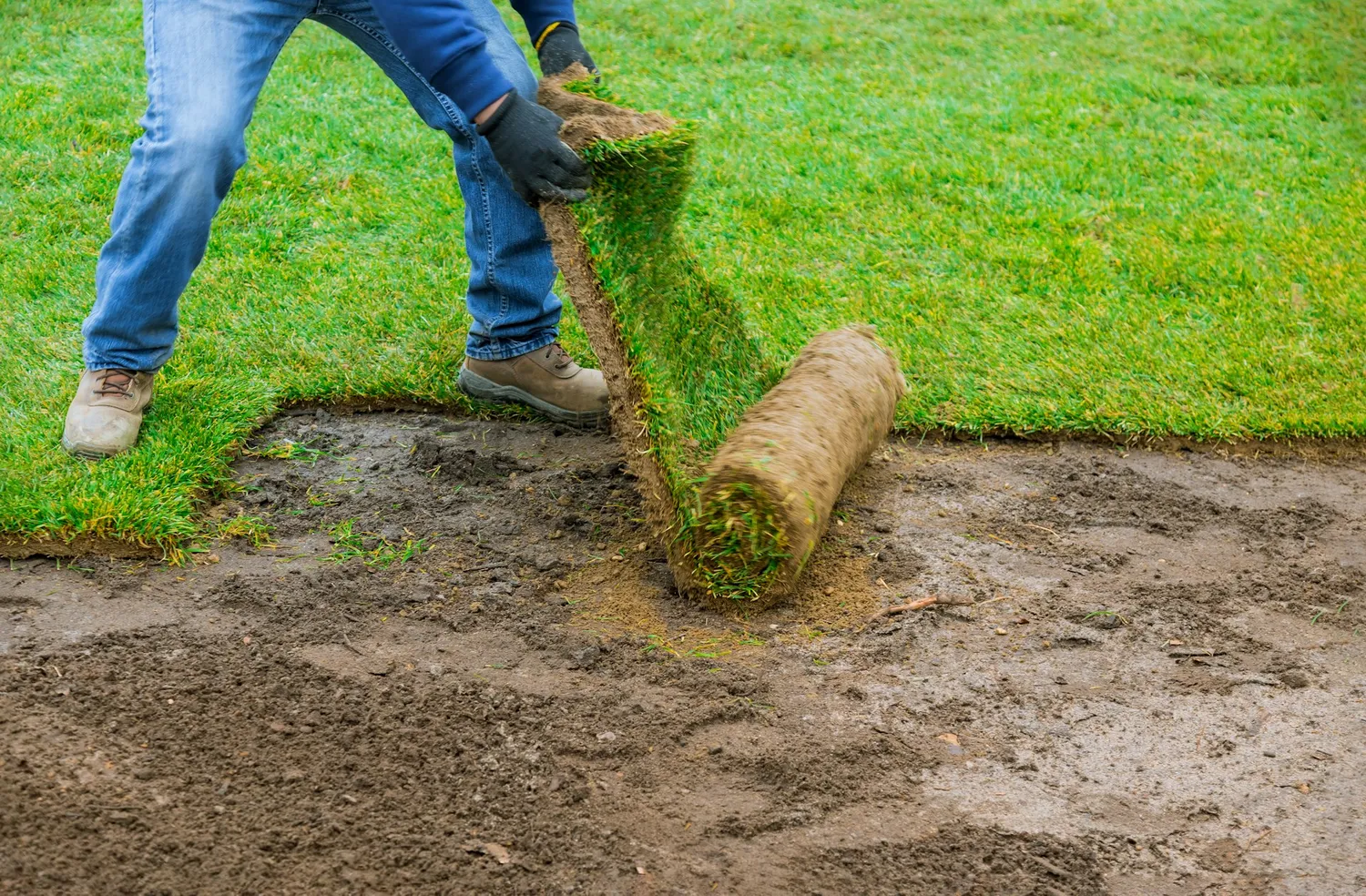
Daily Watering for the First Two Weeks
In the first 14 days, your new sod is like a needy houseplant—it demands constant moisture. You should water it 2-3 times a day, depending on the weather. A 2024 report from the Turfgrass Science Journal suggests that new sod needs about 0.5 inches of water daily in temperate climates. Hotter areas, like Arizona or Texas, might require closer to 0.75 inches. Use a sprinkler or irrigation system to ensure even coverage.
Each watering session should last 10-15 minutes, enough to soak the sod and the top inch of soil. Don’t just eyeball it—set a timer or invest in a rain gauge to measure output. If you’re in a humid region, like Florida, morning watering is best to prevent fungal diseases. Evening watering can leave your sod damp overnight, inviting mold or mildew. A common mistake? Watering too lightly. Skimpy watering only wets the surface, leaving roots thirsty.
What if it rains? Adjust your schedule. If Mother Nature drops a quarter-inch of rain, skip one watering session. The National Weather Service offers local precipitation data online, so you can track rainfall and avoid overwatering. By day 10, your sod should start rooting—gently tug a corner to check. If it resists, you’re on the right track. Keep up the daily watering until the two-week mark.
Transitioning to a Weekly Watering Routine
After two weeks, your sod should be rooting into the soil, so you can ease up on the watering. Now, you shift to a weekly schedule, aiming for 1-1.5 inches of water per week, including rainfall. The Lawn Institute notes that established sod needs deeper, less frequent watering to encourage root growth. This is where you train your lawn to be resilient, not spoiled.
Water 1-2 times a week, delivering about 0.5-0.75 inches per session. Use a soaker hose or oscillating sprinkler for even distribution. Morning is still your best bet—watering at dawn reduces evaporation, especially in hot climates like California. If you’ve got clay soil, water slowly to avoid runoff; sandy soil drinkers need shorter, more frequent sessions. A pro tip: stick a screwdriver into the soil. If it slides in easily 4-6 inches, your sod is hydrated enough.
Don’t ignore signs of stress. If your sod turns bluish-gray or footprints linger after you walk on it, it’s begging for water. Conversely, squishy soil or puddles mean you’re overdoing it. Overwatering wastes resources and can cause nutrient leaching, per a 2022 EPA report, which estimates that 30% of residential water is wasted on lawns. Fine-tune your schedule based on your sod’s feedback and local weather patterns.
Long-Term Sod Care and Watering Tips
By week 4-6, your sod should act like an established lawn, but don’t get lazy. Long-term watering keeps your grass healthy and resistant to drought, pests, and weeds. Aim for 1 inch of water weekly, adjusting for seasonal changes. In summer, you might need more; in fall, less. A smart irrigation controller, like those from Rachio, can automate this based on local weather data.
Your soil type continues to matter. Loamy soils are the Goldilocks zone, holding water just right. If you’re dealing with compacted soil, aerate it annually to improve water penetration, says the National Turfgrass Federation. Also, consider your sod variety—St. Augustine guzzles more water than Fescue. Mulch clippings when mowing to retain moisture, reducing your watering needs by up to 15%, per a Cornell University study.
Unexpected challenges can pop up. Shady areas under trees need less water, while sunny slopes dry out faster. Watch for pest damage or disease, like brown patch, which thrives in overwatered lawns. If you’re in a drought-prone area, like Nevada, check local water restrictions. Some regions limit sprinkler use, so you might need drip irrigation or hand-watering. Stay proactive, and your sod will reward you with a lush, green carpet.
Unique Watering Hacks for New Sod
Want to stand out with your lawn? Try these lesser-known watering tricks. First, use a soil moisture meter—cheap ones cost under $20 and tell you exactly when to water. Second, mix in hydrogel crystals when prepping your soil. A 2023 Kansas State University trial found they retain 20% more moisture, cutting watering frequency. Third, water in short bursts—5 minutes on, 10 minutes off—to let soil absorb without runoff.
Another hack: check your sprinkler coverage with tuna cans. Place them around your yard and run your irrigation system for 15 minutes. Measure the water in each can; uneven amounts mean you need to adjust your sprinkler heads. Finally, if you’re eco-conscious, collect rainwater in barrels. It’s free, chemical-free, and your sod loves it. The Rain Barrel Association estimates a 55-gallon barrel can save 300 gallons of water annually.
Mistakes happen, but don’t sweat it. Forgetting a watering session won’t kill your sod if you catch it quick. Overwatering is worse—soggy soil invites fungus and weeds. If you’re unsure, consult a local extension service or landscaping pro. They’ll know your region’s quirks, from soil pH to microclimates. With these tips, your new sod will be the envy of the neighborhood.
Texas Sod Zilla
Address: 157-101 S Walnut Creek Dr, Mansfield, TX 76063
Phone: (682) 206-0669
Email ID: contact@texassodzilla.com