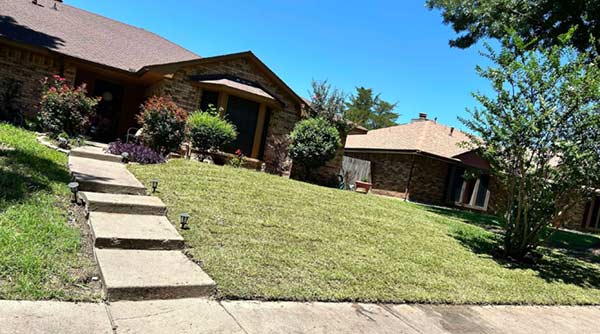
Choosing sod in Texas isn’t some casual decision you make in five minutes while scrolling photos. The heat here is real, the soil can be stubborn, and watering rules don’t always play nice. That’s why the debate between Bermuda grass and St. Augustine grass keeps coming up again and again, especially when homeowners are planning a new sod installation. Both are warm-season grasses, both are popular across Texas, and both can look amazing when installed right. But they behave very differently once they’re in your yard.
Let’s break this down without fluff, and without pretending one grass is magically perfect for everyone.
How Texas Climate Shapes the Choice
Texas lawns deal with long summers, intense sun, and inconsistent rainfall. In some areas you’ve got heavy clay soil, in others sandy or compacted ground. These conditions matter more than people think. Bermuda grass generally thrives in full sun and doesn’t complain much about heat. St. Augustine grass handles warmth too, but it prefers slightly gentler sun exposure and steady moisture.
When planning sod installation in Texas, climate isn’t just a background detail, it’s the main character. Pick the wrong sod type and you’ll spend years fighting your own lawn.
Bermuda Grass: Built for Sun and Abuse
Bermuda grass is tough, almost stubbornly so. It loves direct sunlight and actually struggles in shade, which is something people often overlook. If your yard gets blasted by sun all day, Bermuda usually feels right at home. It recovers fast from foot traffic, which makes it common for backyards, dog runs, and areas where kids never stop moving.
The downside, and there is one, is maintenance. Bermuda grows fast, sometimes annoyingly fast. Mowing is frequent, edging becomes a habit, and if it gets into flower beds, it won’t apologize. Still, for homeowners who want durability and a lawn that bounces back quickly, Bermuda sod installation makes a lot of sense in Texas.
St. Augustine Grass: Thick, Lush, and Shade-Friendly
St. Augustine grass has a very different personality. It grows thick, wide blades that give lawns that soft, carpet-like look people associate with upscale neighborhoods. It handles partial shade far better than Bermuda, which is huge for yards with trees or homes that block sunlight for part of the day.
However, St. Augustine needs more water and doesn’t love being stressed. Heavy foot traffic can thin it out, and poor drainage can cause problems fast. When sod installation isn’t done carefully, especially with soil prep and grading, St. Augustine shows its displeasure pretty quickly. But when conditions are right, it looks incredible.
Watering Needs and Drought Reality
Water usage is a big deal in Texas, no way around that. Bermuda grass generally requires less water once established. It can go dormant during extreme drought and come back later, which surprises a lot of homeowners. St. Augustine grass doesn’t bounce back as easily. It needs consistent watering, especially during peak summer months.
If you live in an area with strict watering schedules, Bermuda sod installation might be the safer long-term option. St. Augustine can still work, but only if irrigation is planned properly from the start.
Soil and Installation Considerations
Sod installation isn’t just rolling grass onto dirt, even though it looks that simple. Bermuda adapts well to many soil types, including compacted clay, as long as drainage isn’t terrible. St. Augustine prefers healthier soil with good moisture retention and airflow.
Poor soil prep affects both, but St. Augustine tends to suffer more visibly when shortcuts are taken. That’s why professional sod installation matters so much with this grass type. Small mistakes turn into big lawn headaches later.
Maintenance and Long-Term Commitment
Maintenance styles differ a lot between these two. Bermuda needs frequent mowing and edging, but it forgives mistakes quickly. St. Augustine needs less mowing, but mistakes like overwatering or compacted soil linger longer.
If you enjoy lawn care and don’t mind staying on top of it, Bermuda fits that rhythm. If you want a thick, visually pleasing lawn and are okay being careful with watering and traffic, St. Augustine can be worth the effort.
So Which Sod Is Best for Texas Lawns
There isn’t a single answer that works for every yard, and anyone telling you otherwise is oversimplifying it. Bermuda grass is usually best for full sun, high traffic, and lower water use. St. Augustine grass shines in shaded areas, front lawns, and places where appearance matters more than toughness.
The real winner depends on your yard layout, sunlight exposure, watering ability, and how the lawn will actually be used. When sod installation matches those factors, both grasses can succeed in Texas without constant frustration.