Creating a lush, green lawn is a dream for many homeowners, but achieving a sustainable landscape requires thoughtful planning and execution. Installing sod—pre-grown grass with its root system intact—offers a quick way to establish a vibrant lawn while promoting eco-friendly practices. Unlike seeding, sod provides instant coverage, reduces erosion, and can be tailored to sustainable landscaping goals. This comprehensive guide will walk you through the process of installing sod while prioritizing sustainability, from selecting the right grass type to maintaining your lawn with environmentally conscious methods.
Why Choose Sod for a Sustainable Landscape?
Sod is an excellent choice for sustainable landscaping because it establishes quickly, reducing the need for excessive watering, fertilizers, or weed control compared to traditional seeding. A well-installed sod lawn can:
- Prevent Soil Erosion: Sod’s dense root system stabilizes soil, especially on slopes, preventing runoff and preserving topsoil.
- Reduce Water Usage: Choosing drought-tolerant grass varieties minimizes irrigation needs.
- Enhance Carbon Sequestration: Healthy lawns absorb carbon dioxide, contributing to a reduction in greenhouse gases.
- Support Biodiversity: A sustainably managed lawn can provide habitat for pollinators and beneficial insects.
By focusing on sustainable practices during installation and maintenance, you can create a lawn that’s both beautiful and environmentally responsible.
Step 1: Planning for a Sustainable Sod Installation
Choose the Right Grass Type
Selecting a grass variety suited to your climate, soil, and water availability is critical for sustainability. Native or regionally adapted grasses are ideal because they require less water, fertilizer, and maintenance. Some sustainable options include:
- Buffalo Grass: A low-maintenance, drought-tolerant native grass ideal for warm, arid regions.
- Fescue: A cool-season grass that thrives in shaded areas and requires moderate water.
- Zoysia: A warm-season grass with excellent drought resistance and low fertilizer needs.
- Bermuda Grass: A durable, heat-tolerant option for sunny areas, though it may require more maintenance.
Research your USDA Hardiness Zone and consult with local nurseries or extension services to identify grasses that thrive in your area. Opt for varieties labeled as low-maintenance or drought-tolerant to minimize environmental impact.
Assess Your Site
Before installing sod, evaluate your yard’s conditions:
- Sunlight: Determine how much sun your lawn receives daily. Most grasses need at least 4–6 hours of sunlight, but shade-tolerant varieties like fescue can work in low-light areas.
- Soil Type: Test your soil’s pH and texture (sandy, loamy, or clay). Most grasses prefer a pH between 6.0 and 7.0. A soil test kit from a local garden center can provide accurate results.
- Drainage: Ensure your yard has proper drainage to prevent water pooling, which can waste water and harm sod.
Plan for Water Efficiency
Sustainability starts with water conservation. Consider installing a rain garden or permeable pavers in non-sod areas to manage runoff. If irrigation is necessary, opt for a drip system or smart sprinkler that adjusts watering based on weather conditions.
Step 2: Preparing the Site
Proper site preparation is essential for sod to root effectively and thrive sustainably. Follow these steps to create an ideal foundation:
Clear the Area
Remove existing grass, weeds, rocks, and debris. For a sustainable approach, avoid chemical herbicides. Instead, use manual removal or smothering techniques, such as laying cardboard over the area for several weeks to kill existing vegetation naturally.
Grade the Soil
Level the ground to ensure even sod installation and proper drainage. Slope the soil away from buildings to prevent water pooling near foundations. Use a rake or grading tool to smooth the surface, removing high spots and filling in low areas.
Amend the Soil
Healthy soil is the backbone of a sustainable lawn. Based on your soil test results, add organic amendments to improve fertility and structure:
- Compost: Incorporates organic matter, improves water retention, and reduces the need for synthetic fertilizers.
- Lime or Sulfur: Adjusts soil pH if it’s too acidic or alkaline.
- Organic Mulch: Adds nutrients and supports beneficial microbes.
Work amendments into the top 6–8 inches of soil using a rototiller or garden fork. Avoid over-tilling, which can disrupt soil structure and release stored carbon.
Install Irrigation (If Needed)
For water-efficient irrigation, consider installing a drip system or soaker hoses before laying sod. These systems deliver water directly to the roots, reducing evaporation and runoff. If using sprinklers, choose models with rain sensors to prevent overwatering.
Step 3: Purchasing and Handling Sod
Source Sustainably
Buy sod from a reputable supplier that practices sustainable growing methods, such as using organic fertilizers or integrated pest management. Locally sourced sod is preferable, as it’s adapted to your region’s climate and reduces the carbon footprint of transportation.
Timing the Delivery
Sod is perishable and should be installed within 24 hours of delivery. Schedule delivery for early morning to avoid heat stress, especially in warmer climates. Keep sod rolls in a shaded area and lightly mist them if installation is delayed.
Calculate Quantity
Measure your lawn area (length × width) to determine how much sod you need in square feet. Add 5–10% extra to account for cutting and fitting around curves or obstacles. Most sod is sold in rolls or pallets covering 400–500 square feet.
Step 4: Installing the Sod
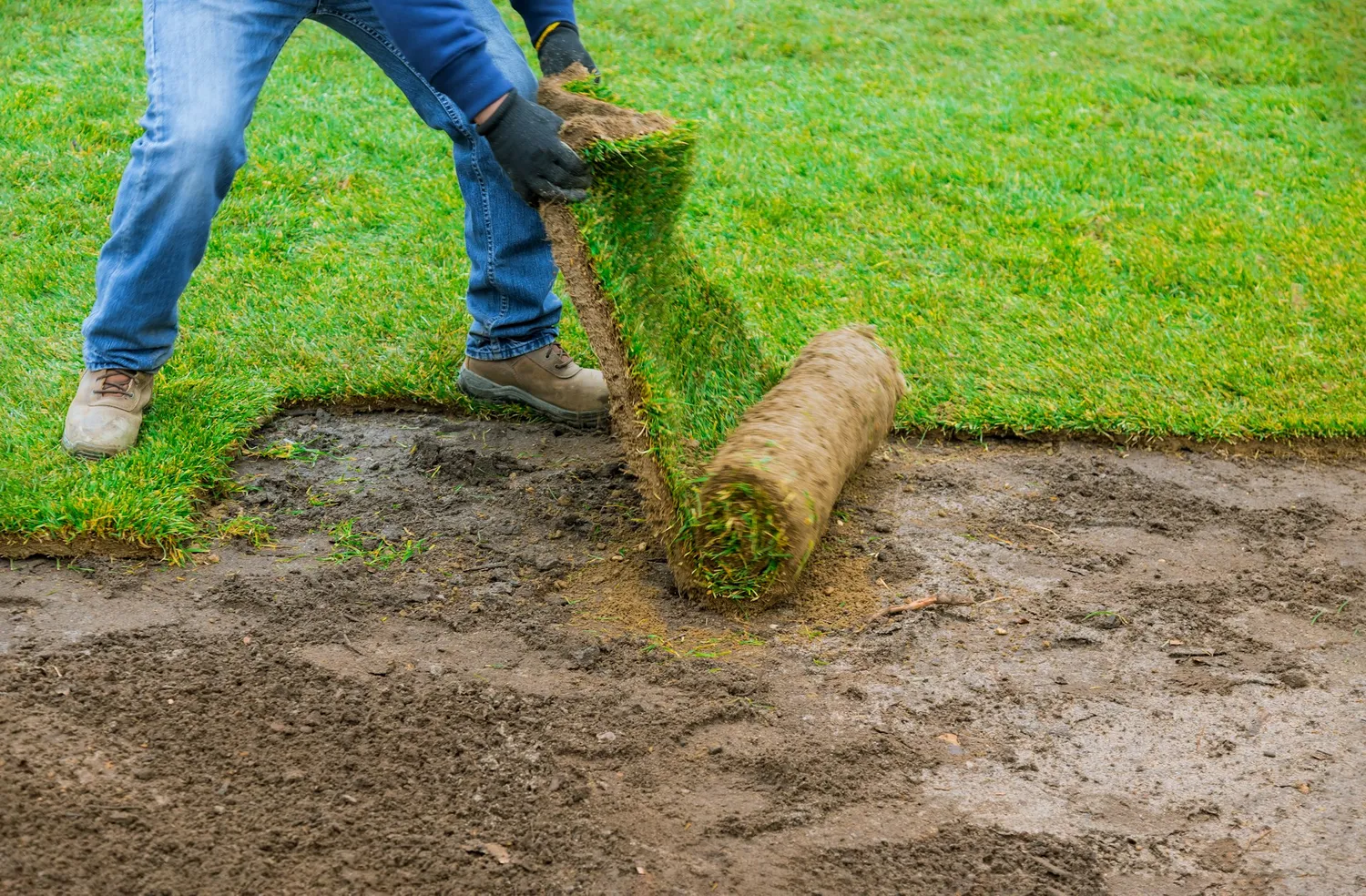
Lay the Sod
Begin installation as soon as possible after delivery:
- Start with a Straight Edge: Lay the first row along a straight feature, such as a driveway or sidewalk, to ensure a neat appearance.
- Stagger Seams: Place subsequent rows like brickwork, staggering the seams to prevent gaps and promote uniform rooting.
- Fit Tightly: Press sod pieces firmly together without overlapping to avoid weak spots.
- Cut to Fit: Use a sharp utility knife to trim sod around curves, trees, or garden beds.
Water Immediately
Water the sod thoroughly within 30 minutes of installation to help it settle and begin rooting. Apply about 1 inch of water, ensuring the soil beneath is moist to a depth of 4–6 inches. Use a rain gauge or small container to measure water application.
Roll the Sod
Use a lawn roller (filled halfway with water for lighter pressure) to press the sod into the soil, ensuring good root-to-soil contact. This step reduces air pockets and promotes faster establishment.
Step 5: Post-Installation Care for Sustainability
Watering Wisely
For the first two weeks, water daily to keep the sod and underlying soil consistently moist but not waterlogged. Gradually reduce watering as the sod roots, transitioning to a schedule that reflects your grass type’s needs. For example:
- Drought-tolerant grasses like buffalo grass may need watering only once or twice a week once established.
- Use a rain barrel to collect rainwater for irrigation, reducing reliance on municipal water.
Mowing Sustainably
Wait until the sod is firmly rooted (typically 2–3 weeks) before mowing. Set your mower blade high (3–4 inches) to encourage deep root growth and shade the soil, reducing water loss. Use a mulching mower to return clippings to the lawn, adding natural nutrients.
Fertilizing Responsibly
Avoid synthetic fertilizers, which can leach into waterways and harm ecosystems. Instead, apply organic or slow-release fertilizers based on your soil test recommendations. Compost tea or fish emulsion are eco-friendly options that support soil health.
Weed and Pest Control
Minimize chemical use by maintaining a healthy lawn, which naturally outcompetes weeds. Hand-pull weeds or use organic herbicides like vinegar-based solutions. Encourage beneficial insects, such as ladybugs, by planting native flowers nearby to control pests naturally.
Step 6: Long-Term Maintenance for a Sustainable Lawn
Aerate Annually
Aerate your lawn yearly to relieve soil compaction, improve water infiltration, and enhance root growth. Use a core aerator and leave the soil plugs on the lawn to decompose naturally, adding organic matter.
Overseed with Native Grasses
If your lawn thins over time, overseed with the same or complementary native grass varieties to maintain density without starting over. This practice enhances resilience and reduces maintenance needs.
Monitor and Adjust
Regularly assess your lawn’s health and adjust care practices based on seasonal changes. For example, reduce watering in cooler months and increase it during heatwaves, always prioritizing water conservation.
Environmental Benefits of a Sustainable Sod Lawn
A sustainably installed and maintained sod lawn offers numerous environmental benefits:
- Improved Air Quality: Grass absorbs pollutants and releases oxygen, improving local air quality.
- Temperature Regulation: Lawns reduce the urban heat island effect, keeping your property cooler.
- Wildlife Support: A chemical-free lawn with native plants nearby supports pollinators and small wildlife.
- Water Conservation: Drought-tolerant grasses and efficient irrigation minimize water waste.
Common Mistakes to Avoid
- Overwatering: Excess water wastes resources and can cause root rot. Stick to a measured watering schedule.
- Poor Soil Preparation: Skipping soil amendments or leveling can lead to uneven growth and drainage issues.
- Ignoring Local Conditions: Choosing a grass type unsuited to your climate increases maintenance and resource use.
- Using Chemical Inputs: Synthetic fertilizers and pesticides harm the environment; opt for organic alternatives.
Conclusion
Installing sod for a sustainable landscape is an investment in both your property and the environment. By selecting the right grass, preparing the site thoughtfully, and maintaining the lawn with eco-friendly practices, you can create a vibrant, low-maintenance lawn that conserves water, supports biodiversity, and enhances your outdoor space. With proper care, your sod lawn will thrive for years, contributing to a greener, more sustainable future.