How Ultrasound Therapy Works
Ultrasound therapy involves the use of a device that produces sound waves, which are transmitted through a handheld probe. These waves penetrate deep into body tissues, creating thermal (heat) and mechanical (vibrational) effects that can aid in the healing process.
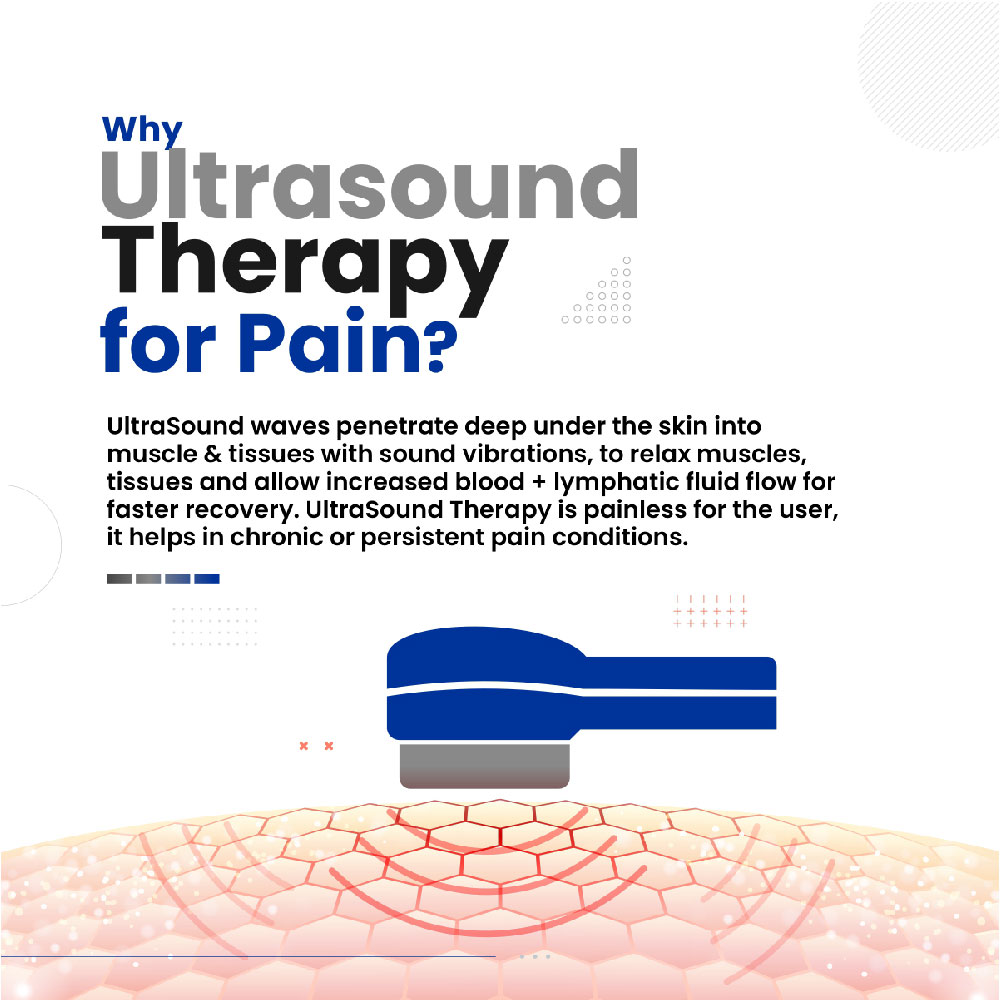
- Thermal Effects: The sound waves generate heat in the targeted tissues, which helps increase blood flow, relax muscles, and reduce pain. This heating effect is beneficial for conditions like muscle spasms and joint stiffness.
- Mechanical Effects: The vibrations from the sound waves stimulate cellular activity and enhance the flexibility of collagen fibers. This can help break down scar tissue and promote tissue healing, making it effective for treating tendinitis and ligament injuries.
- Increased Blood Flow: Enhanced circulation resulting from ultrasound therapy helps deliver more oxygen and nutrients to the injured area, facilitating the removal of metabolic waste products and accelerating the healing process .
Conditions Treated with Ultrasound Therapy
Ultrasound therapy is used to treat a variety of musculoskeletal conditions, including:
- Muscle Strains and Sprains: Helps reduce pain and inflammation, promoting faster recovery.
- Arthritis: Eases pain and stiffness in the joints.
- Tendonitis: Reduces inflammation and promotes healing in tendons.
- Scar Tissue: Breaks down scar tissue, improving mobility and reducing pain.
What to Expect During a Session
During an ultrasound therapy session, a special gel is applied to the skin to improve the transmission of sound waves. The physiotherapist then moves the ultrasound probe over the area in circular motions. The treatment is generally painless, and most patients feel a slight warming or tingling sensation. Sessions typically last between 5 and 15 minutes, depending on the condition being treated.
Safety and Efficacy
Ultrasound therapy is considered safe when administered by a qualified professional. However, it is not suitable for everyone. Contraindications include areas with cancer, pregnant women, and certain types of injuries in children. The evidence for the long-term benefits of ultrasound therapy varies, with some studies suggesting it has a placebo effect. Therefore, it is often used in conjunction with other physiotherapy treatments for optimal results.
In conclusion, ultrasound therapy is a valuable tool in physiotherapy for managing pain and promoting the healing of soft tissue injuries. Its effectiveness can be enhanced when combined with other treatment modalities, tailored to the specific needs of the patient.