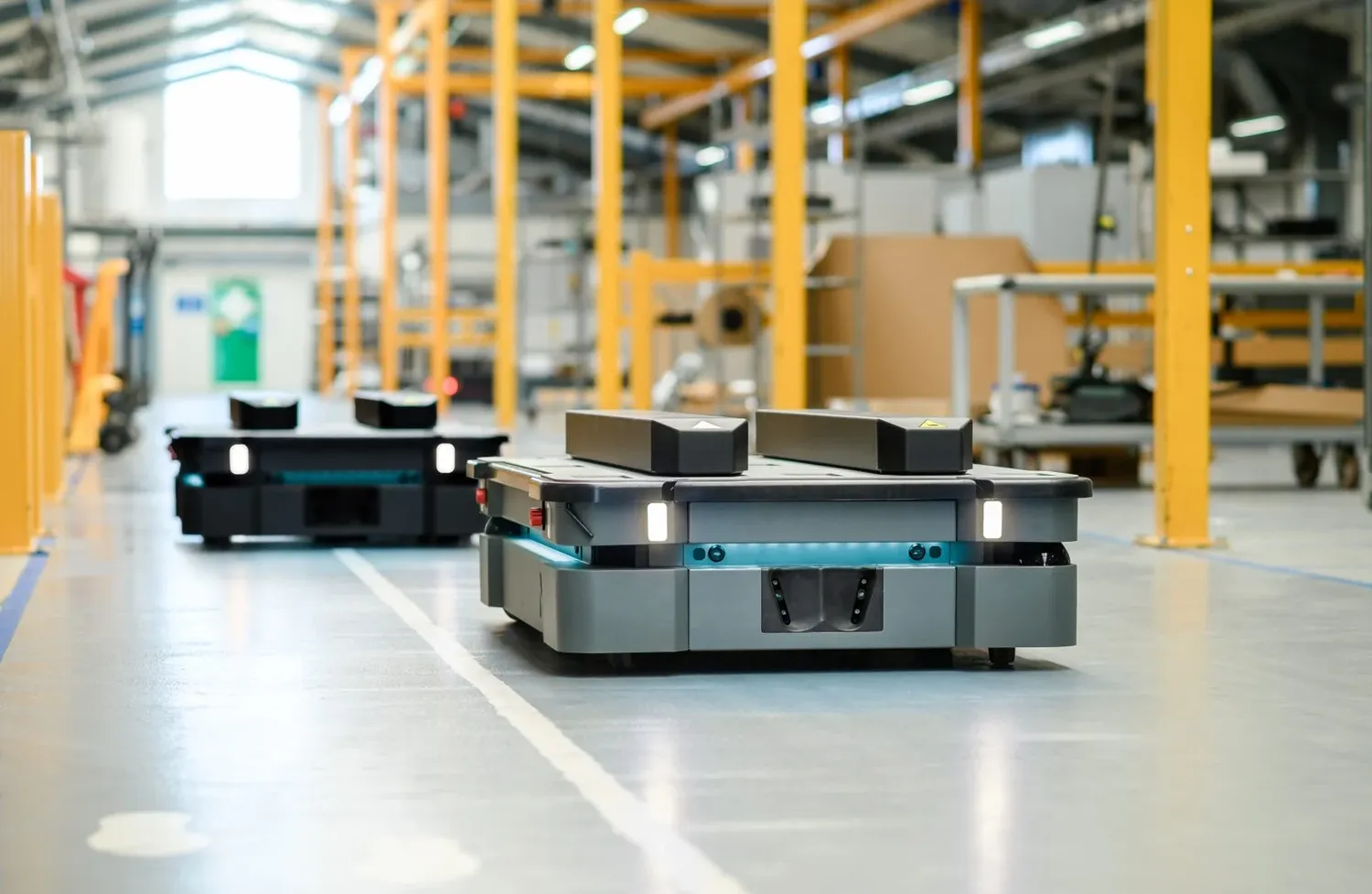
In today’s fast-paced logistics industry, speed, accuracy, and cost-efficiency are not just goals — they’re necessities. Businesses striving for scalable and smart operations are increasingly turning to autonomous mobile robots (AMRs) to streamline their supply chains. These intelligent machines are redefining how warehouses operate, handling everything from inventory transport to real-time route planning with precision and adaptability.
Unlike traditional automation systems, autonomous mobile robots do not rely on fixed infrastructure like conveyor belts or magnetic strips. Instead, they use a blend of sensors, AI algorithms, and onboard navigation systems to move freely and safely around dynamic warehouse environments. This flexibility allows companies to scale up or reconfigure operations without disrupting workflow — a major advantage in the constantly evolving logistics space.
One of the most impactful benefits of AMRs is their ability to drastically reduce human error and labor strain. Rather than wasting human resources on repetitive and physically demanding tasks like cart pushing or inventory shuttling, businesses can deploy AMRs to handle these operations. Workers can then focus on higher-value tasks such as quality control, exception handling, and customer support, which boosts overall productivity.
Furthermore, autonomous mobile robots significantly improve throughput rates. With 24/7 operation capabilities, AMRs can work round the clock without fatigue, consistently meeting high order volumes and reducing fulfillment times. Their smart route optimization and traffic management features ensure that there are no bottlenecks or delays even during peak operation hours.
Integration is another strong suit of modern AMR systems. They are designed to work seamlessly with existing warehouse management systems (WMS) and enterprise resource planning (ERP) platforms. This compatibility means businesses don’t need to overhaul their tech infrastructure to adopt AMRs. Real-time data exchange between AMRs and management systems enhances visibility, traceability, and decision-making.
Moreover, safety is a key priority in logistics, and AMRs are built to meet the highest standards. Equipped with sensors like LiDAR, 3D cameras, and ultrasonic detectors, they can detect and avoid obstacles — be it equipment, goods, or people — thereby minimizing the risk of accidents. With continuous software updates, their behavior improves over time, making them more intuitive and responsive in their surroundings.
From small e-commerce warehouses to large-scale distribution centers, autonomous mobile robots are proving to be game-changers. Industries that require high-speed operations with minimal downtime — such as retail, manufacturing, and pharmaceuticals — are particularly benefitting from this technology.
In terms of ROI, AMRs deliver results quickly. Reduced labor costs, fewer errors, faster delivery cycles, and enhanced space utilization contribute to a strong return on investment, often within the first year of deployment.
In conclusion, autonomous mobile robots are not just a trend; they are the future of logistics automation. As businesses look for smarter, safer, and more cost-effective ways to operate, investing in AMRs is a strategic move that promises long-term benefits. Those who embrace this technology now will be better positioned to lead in the logistics space of tomorrow.