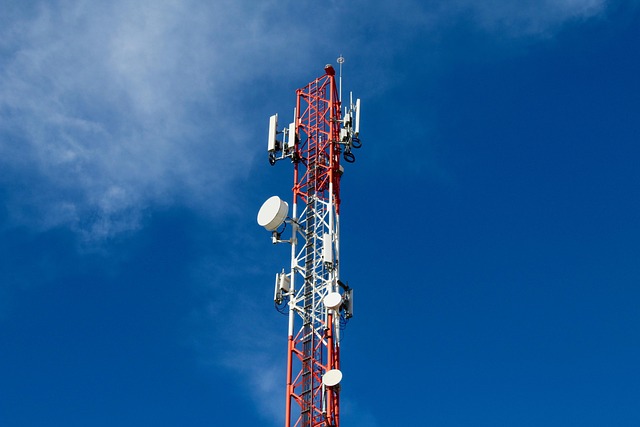
Telecom datasets are the lifeblood of the telecommunications industry, providing the insights necessary to manage networks, enhance customer experiences, optimize operations, and drive innovation. In an era defined by data-driven decision-making, telecom companies rely on vast volumes of structured and unstructured data collected from millions of devices, users, and network nodes. Understanding the nature, sources, and applications of telecom datasets is essential for operators, analysts, regulators, and businesses that depend on connectivity for daily operations.
Telecom datasets encompass a wide variety of information, ranging from network performance metrics and call records to subscriber demographics and device usage patterns. These datasets are collected across mobile, fixed-line, broadband, and wireless networks and serve multiple purposes. They help companies monitor network health, detect anomalies, predict maintenance needs, segment customers, and develop new products and services. With the exponential growth of connected devices and data traffic, telecom datasets have become larger, more complex, and more valuable than ever before.
Types of Telecom Datasets
Telecom datasets can be broadly categorized into network datasets, customer datasets, and operational datasets. Network datasets capture information about the physical and digital infrastructure of telecom systems. They include metrics such as signal strength, bandwidth utilization, packet loss, latency, network topology, and handoff events between cell towers. This type of data is critical for network planning, optimization, and troubleshooting, enabling operators to ensure reliable and efficient service delivery.
Customer datasets focus on user behavior and engagement. These include call detail records, text message logs, internet usage statistics, device types, app usage, and subscription plans. Analyzing these datasets allows telecom providers to segment their customer base, personalize services, identify churn risks, and create targeted marketing campaigns. By understanding how customers interact with networks and services, operators can design offerings that meet evolving demands and increase satisfaction.
Operational datasets capture internal processes, logistics, and business performance metrics. They encompass maintenance records, service tickets, inventory levels, provisioning status, billing information, and regulatory compliance data. Leveraging operational datasets helps telecom companies streamline workflows, improve efficiency, reduce costs, and maintain regulatory compliance. Combined with network and customer datasets, operational data provides a holistic view of telecom operations and informs strategic decision-making.
Sources of Telecom Datasets
The sources of telecom datasets are diverse and continuously expanding. Primary sources include network infrastructure components such as base stations, routers, switches, and gateways, which generate real-time telemetry data about network performance and traffic patterns. Mobile devices and endpoints contribute to datasets through usage metrics, location information, and service interaction logs.
Customer interactions also generate valuable datasets. Call centers, online portals, and customer service platforms capture feedback, complaints, and usage trends, providing qualitative and quantitative data for analysis. Billing systems record subscription details, payment histories, and service usage, while CRM systems track engagement, preferences, and loyalty indicators.
External sources further enrich telecom datasets. Social media platforms, web analytics, public records, and IoT devices provide supplementary information that can enhance network planning, marketing strategies, and product development. Integrating these datasets with internal data sources allows telecom companies to develop comprehensive insights and make data-driven decisions across all aspects of their business.
Applications of Telecom Datasets
Telecom datasets have wide-ranging applications that benefit both operators and customers. Network optimization is one of the most critical uses, as operators analyze traffic patterns, congestion points, and failure events to improve service quality. By leveraging real-time and historical network data, companies can predict capacity requirements, enhance coverage, reduce downtime, and implement preventive maintenance.
Customer experience management is another key application. By analyzing usage patterns, preferences, and behavior, telecom companies can design personalized services, recommend suitable plans, and proactively address potential service issues. Predictive analytics derived from telecom datasets also help identify churn risks and guide retention strategies.
Telecom datasets support business intelligence and operational efficiency. Analyzing operational data can reveal bottlenecks, streamline workflows, and optimize resource allocation. For example, maintenance schedules, spare part inventories, and technician dispatch can be optimized based on historical performance data, reducing operational costs and improving service delivery.
In addition, telecom datasets play a significant role in research and innovation. By studying large-scale usage patterns, companies can identify emerging trends, develop new applications, and explore advanced technologies such as 5G networks, edge computing, and AI-powered services. Datasets provide the foundation for testing new network designs, evaluating technology upgrades, and modeling future demand scenarios.
Challenges in Managing Telecom Datasets
Despite their value, telecom datasets present significant challenges in collection, storage, management, and analysis. The sheer volume of data generated by networks and devices can reach petabytes daily, requiring scalable storage and efficient processing systems. Handling such massive datasets demands advanced data architectures, cloud-based storage solutions, and high-performance computing resources.
Data quality is another critical concern. Incomplete, inconsistent, or inaccurate data can undermine analyses and lead to suboptimal decisions. Telecom operators must implement rigorous data validation, cleansing, and governance protocols to ensure reliability. Integration of datasets from multiple sources, each with distinct formats and structures, further complicates data management and requires sophisticated ETL processes.
Privacy and security are paramount. Telecom datasets often contain sensitive customer information, including location, communication patterns, and personal identifiers. Protecting this data from unauthorized access, breaches, or misuse is a regulatory and ethical imperative. Companies must comply with data protection laws, implement encryption, and establish strict access controls to safeguard subscriber data.
Leveraging Advanced Analytics and AI
To extract meaningful insights from telecom datasets, operators increasingly rely on advanced analytics and artificial intelligence. Machine learning algorithms can detect patterns, anomalies, and trends in large datasets that would be impossible for humans to identify manually. Predictive models help forecast network congestion, service disruptions, and customer behavior, enabling proactive decision-making.
AI-powered systems also enhance customer engagement. Chatbots, recommendation engines, and automated support platforms leverage datasets to provide timely and personalized assistance. Natural language processing and sentiment analysis applied to customer interaction data help companies understand user satisfaction and respond to concerns effectively.
Big data platforms and real-time analytics tools enable telecom operators to process and analyze streaming data from millions of endpoints simultaneously. This capability is crucial for dynamic resource allocation, network load balancing, and rapid response to service anomalies, ensuring continuous high-quality connectivity for users.
The Future of Telecom Datasets
The importance of telecom datasets is expected to grow as networks become more complex and data traffic continues to increase. The deployment of 5G networks, IoT ecosystems, and smart city initiatives will generate unprecedented volumes of data, offering both opportunities and challenges for operators. Advanced analytics, AI, and edge computing will be critical for managing this complexity and deriving actionable insights.
Open data initiatives and industry collaborations may also expand access to anonymized telecom datasets for research, innovation, and policy development. These efforts can foster greater transparency, encourage innovation, and improve network planning at regional and national levels.
As telecom datasets evolve, the ability to integrate, analyze, and leverage data effectively will define the competitive advantage of operators. Companies that invest in robust data management infrastructures, advanced analytics capabilities, and strong privacy frameworks will be better positioned to deliver high-quality services, innovate rapidly, and respond to the changing needs of customers in the digital era.
Conclusion
Telecom datasets are central to the operation, optimization, and innovation of modern communication networks. They provide the foundation for network management, customer experience, business intelligence, and technological advancement. As data volumes grow and networks become increasingly complex, the ability to harness telecom datasets effectively will determine the success of operators and the quality of services delivered to customers. Understanding the sources, types, applications, and challenges of telecom datasets is essential for anyone involved in the telecommunications ecosystem. In the data-driven world of modern connectivity, these datasets are not just records; they are the key to informed decision-making, operational excellence, and future-ready telecom services.