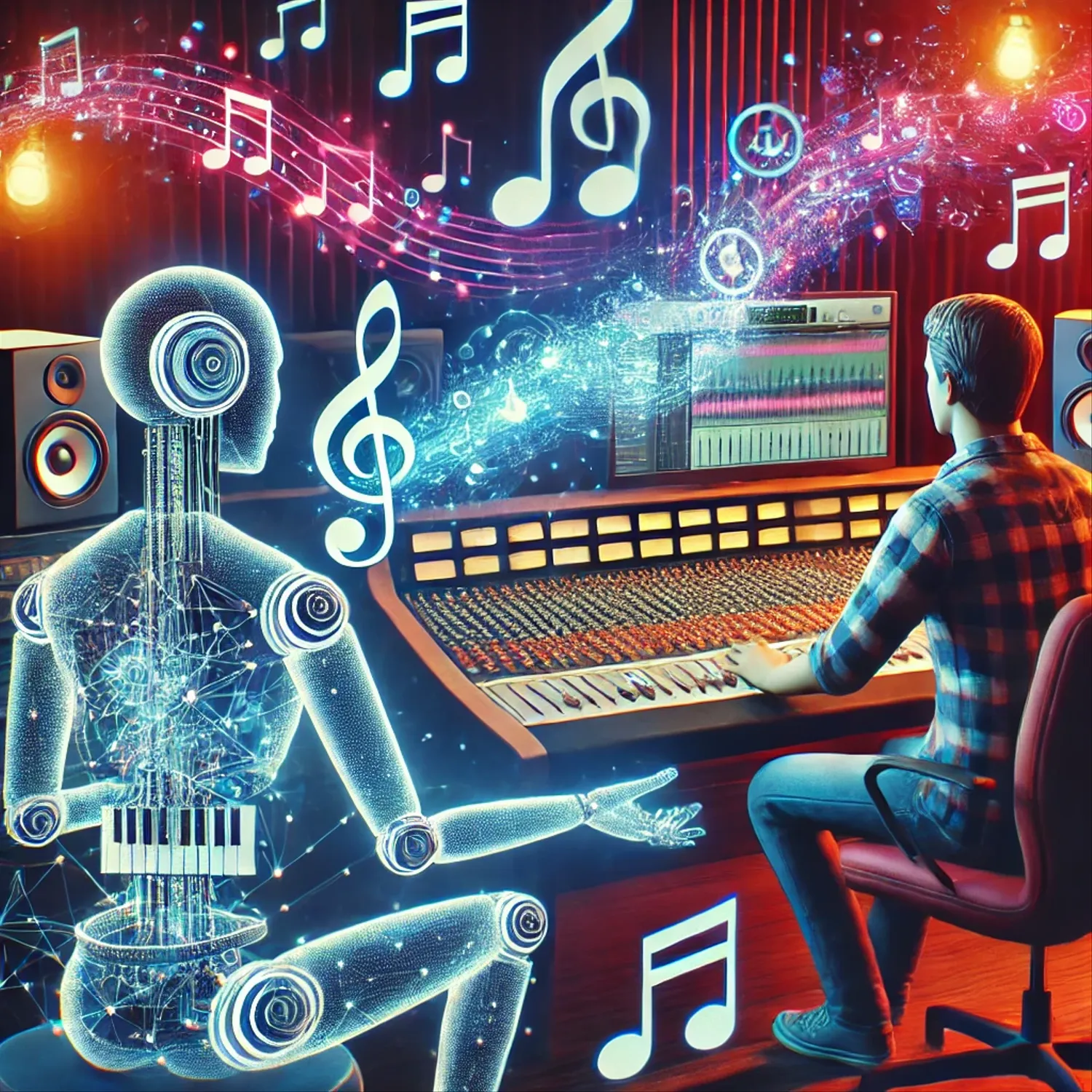
Music has always been a space for creativity and emotional expression, but as technology evolves, so does how we make music. AI is now part of the songwriting process, with many wondering if it could be the secret ingredient to creating the next big hit.
New devices, from AI-powered to smart laptops, are helping songwriters compose faster and more efficiently. But can AI truly create music that connects with listeners on a deep level, or is it just another trend?
In this post, we’ll explore how AI influences songwriting, how it can assist in creating, and whether it can truly produce the next global hit.
How AI Is Changing the Music Industry
Artificial intelligence is impacting various industries, and music is no exception. AI is helping generate melodies, craft lyrics, and mix tracks. While these AI tools are powerful, the question is whether they can create the next big hit or enhance the songwriting process.
According to a report, AI music generators hold immense potential to revolutionise the music industry by offering innovative ways to create music. Features like text-to-music and generative music enable users to create unique background music, generate tracks, and even easily produce entire songs.
AI provides composers and musicians with-
- Better productivity: With AI-assisted tools, songwriters can quickly draft ideas and move past writer’s block, giving them more time to refine their work. For instance, tools integrated into an AI Powered laptop provide artists with portable, high-performance solutions to experiment and produce music wherever inspiration strikes.
- Music composition made easier: AI tools can help songwriters by suggesting melodies, harmonies, and lyrics, speeding up the process of creating new music.
- Innovation in music creation: AI offers new ways to combine genres, melodies, and rhythms, helping artists explore sounds they might not have considered.
The Role of AI in Music Composition
Songwriting is not just about the technical aspects of music; it’s also about connecting emotionally with the audience. While AI can generate patterns and melodies, it can’t fully capture the deep emotional connection that makes a song a hit.
AI assists in music production by suggesting chord progressions, drum patterns, and mixing techniques. This streamlines the creative process and allows artists to focus solely on birthing their artistic vision.
- Creating melodies and harmonies: AI can generate melodies based on existing songs and trends, offering songwriters a starting point or inspiration.
- Lyric generation: AI can assist with lyric writing by examining language patterns and providing recommendations or lyrics based on a theme or feeling.
- Limitations: Although AI can offer new ideas, it needs help understanding a song's emotions or predicting how listeners will respond.
AI-Powered Laptops and Their Impact on Songwriting
Songwriters have long relied on laptops for composing and producing music. Now, with AI powered laptops, the process has become even more efficient. These smart laptops come preloaded with powerful AI tools that help songwriters at every stage of music creation.
- Enhanced creativity: With AI-powered laptops, songwriters can experiment with melodies, beats, and lyrics more quickly and easily. These tools offer suggestions and ideas that can help expand the creative process.
- Faster production: These laptops help speed up creating and refining music, allowing songwriters to focus on polishing their ideas rather than getting stuck on technical aspects.
- Accessibility: AI tools make music production more accessible to beginners and professionals. With smart laptops, songwriters don’t need a full studio setup to create professional-quality music.
AI and Human Collaboration: A New Era for Music
While AI can assist in music creation, the human touch remains essential in crafting a hit song. Music is deeply personal; the best songs often come from an artist’s emotions and experiences. However, AI can be a helpful collaborator, offering new ideas and fresh perspectives.
- AI as a creative assistant: Instead of replacing the artist, AI can help generate ideas and suggest new directions, which songwriters can refine and personalise.
- New creative possibilities: AI allows songwriters to experiment with unfamiliar sounds and genres, breaking down creative barriers and offering opportunities for innovation.
- Maintaining the human connection: While AI can provide suggestions, the emotional depth and personal storytelling that human songwriters bring to their work can’t be replaced by technology.
Can AI Create the Next Big Hit?
While AI-powered tools can help generate ideas, the question is whether AI can create a song that becomes a global hit. Hits are often a result of timing, emotion, and the ability to connect with listeners on a deep level. Can AI understand these complexities?
- Trends and data analysis: AI can analyse patterns from popular songs and suggest ideas based on what has worked in the past. This could help songwriters create music that aligns with current trends and increases their chances of success.
- Predicting future hits: AI can also analyse trends to predict what kinds might become popular, allowing songwriters to create music that resonates with upcoming tastes.
- Emotional connection: Despite AI’s ability to mimic popular patterns, a song's emotional impact still relies on the artist’s personal experiences. While AI can suggest lyrics or melodies, it doesn’t truly understand how music makes people feel.
The Future of Songwriting with AI
AI has already impacted songwriting, and as technology improves, its role in music creation will only grow. But can AI fully replace the human element of songwriting? It’s unlikely. Music is more than just catchy tunes; it’s about telling a story, expressing emotions, and connecting with an audience.
- AI as a tool, not a replacement: AI can assist songwriters by suggesting melodies, beats, and lyrics, but it will always need the songwriter’s touch to create something truly special.
- Increasing creativity: AI tools assist songwriters with the technical aspects of songwriting, freeing them up to concentrate on the creative elements and experiment with new concepts.
- Collaboration between humans and machines: The future of songwriting will likely involve collaboration between human artists and AI, combining the best of both worlds to create innovative music.
AI-powered and are revolutionising music production, making it easier and faster to create music. These tools will continue to shape the future of songwriting, offering new possibilities while leaving the human element intact.
Conclusion
AI is excitingly changing the music industry, offering songwriters new tools to enhance their creativity and efficiency. While AI might not fully replace the emotional depth and connection that make a song a hit, it can certainly play a significant role in songwriting.
Whether AI can create the next big hit remains to be seen, but it is clear that AI is here to stay—and will continue to shape how we create and experience music.