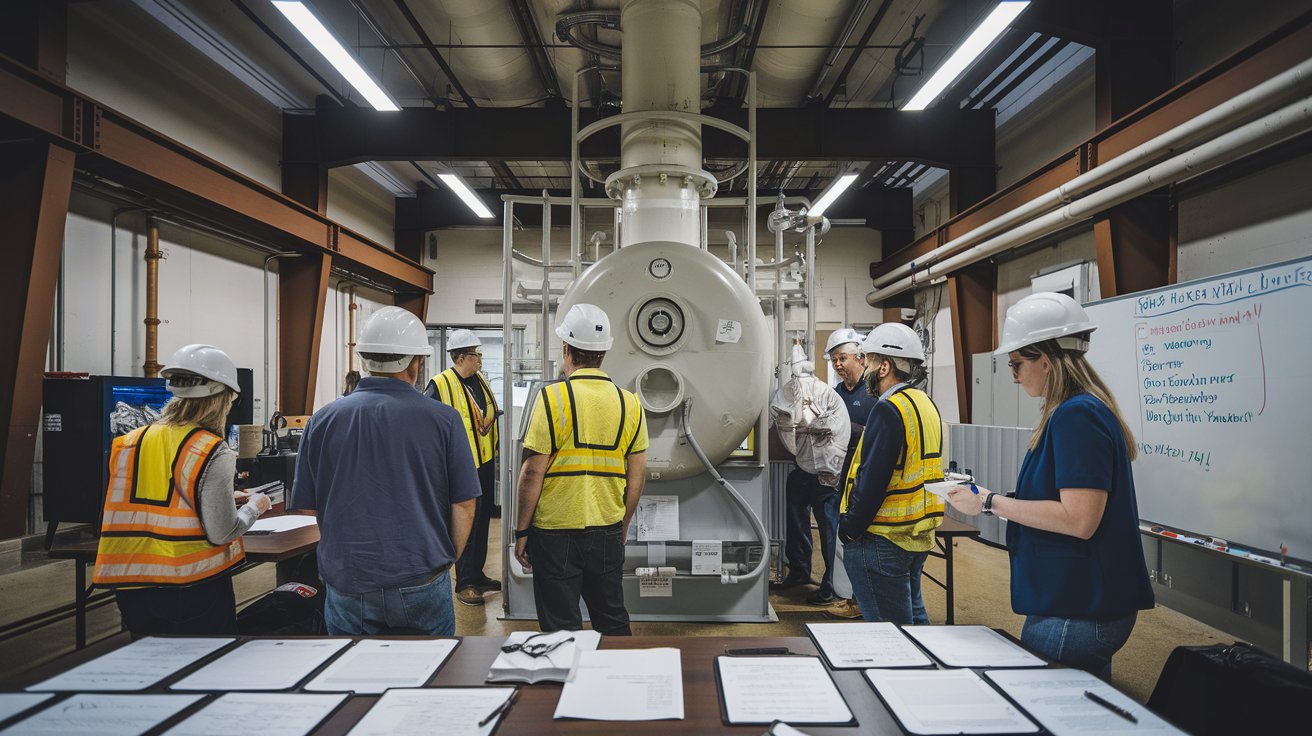
Audits of process safety management (PSM) are essential in sectors that use dangerous chemicals and procedures. The goal of these audits is to find, evaluate, and reduce risks that could result in disastrous events. They are not only about following the law; they are also about creating a safer workplace and safeguarding workers, property, and the neighborhood.
Book a Free Demo: https://axonator.com/request-for-demo/
What Is Process Safety Management?
PSM is a thorough framework created to control the hazards connected to operations involving extremely dangerous substances. It is based on particular guidelines and procedures designed to reduce the possibility of mishaps like fires, explosions, and poisonous spills. Regulatory agencies such as the Occupational Safety and Health Administration (OSHA) in the United States, which requires compliance with the PSM Standard (29 CFR 1910.119), usually set these criteria.
An organization's effectiveness in implementing and adhering to these standards is evaluated through a PSM audit. It examines a number of components, including training, emergency preparation, and danger assessments, to make sure that procedures are not only secure but long-lasting.
Why Are PSM Audits Necessary?
Industries such as oil and gas, chemical manufacturing, and pharmaceuticals face unique challenges due to the nature of their operations. A single oversight can lead to catastrophic consequences. PSM audits act as a preventive measure, providing a structured approach to identifying vulnerabilities before they lead to incidents.
These audits also help companies stay compliant with local and international regulations, reducing the risk of penalties, legal issues, and reputational damage. Furthermore, they contribute to improved efficiency by identifying process bottlenecks and recommending safer alternatives.
Core Components of a PSM Audit
A thorough PSM audit involves evaluating various components of a facility’s operations. Key areas include:
- Process Hazard Analysis (PHA):
This involves a systematic review of potential hazards associated with specific processes. The audit evaluates whether the organization has conducted adequate PHAs and whether these analyses are up-to-date. - Operating Procedures:
Auditors examine the clarity and accessibility of written operating procedures. They check whether these procedures are being followed consistently and if they are regularly reviewed and updated. - Employee Training:
Effective training is a cornerstone of process safety. Auditors assess the depth and frequency of employee training programs and ensure that workers understand the risks and safety measures associated with their tasks. - Mechanical Integrity:
Equipment failure is a leading cause of process safety incidents. The audit reviews maintenance records, inspection schedules, and the overall condition of equipment to ensure mechanical integrity is maintained. - Emergency Response Plans:
Auditors evaluate the readiness of the organization to respond to emergencies. This includes reviewing evacuation plans, emergency drills, and communication protocols. - Management of Change (MOC):
Any alteration to processes, equipment, or personnel can introduce new risks. The audit ensures that robust MOC procedures are in place to identify and address these risks proactively. - Incident Investigation:
Past incidents provide valuable lessons for future prevention. Auditors look at how the organization investigates and learns from incidents, ensuring corrective actions are implemented effectively.
Unique Challenges in PSM Audits
Conducting a PSM audit is not without its challenges. One significant hurdle is resistance to change. Employees and management may be hesitant to adopt new practices or invest in additional safety measures, particularly if they perceive these measures as costly or time-consuming.
Another challenge is the complexity of integrating PSM with existing organizational processes. Companies often have to balance safety requirements with production goals, which can lead to conflicts.
Additionally, data accuracy plays a crucial role in the success of a PSM audit. Auditors rely heavily on documentation and records, and any gaps or inaccuracies can hinder the audit process.
Best Practices for Effective PSM Audits
To overcome these challenges and ensure a successful audit, organizations can adopt several best practices:
- Develop a Culture of Safety:
Safety should be ingrained in the company’s values and practices. Regular communication and training can help foster a proactive approach to safety among employees. - Leverage Technology:
Digital tools and software can streamline the auditing process. They can help in tracking compliance, managing documentation, and identifying areas for improvement more efficiently. - Engage Third-Party Auditors:
External auditors bring a fresh perspective and can identify issues that internal teams may overlook. They also provide unbiased recommendations, ensuring the audit’s findings are comprehensive and actionable. - Continuous Improvement:
A PSM audit should not be a one-time exercise. Organizations should view it as an ongoing process and regularly revisit and refine their safety practices based on audit findings. - Involve All Stakeholders:
Process safety is a shared responsibility. Involving employees, contractors, and management in the audit process can lead to more robust outcomes and greater buy-in for recommended changes.
The Future of PSM Audits
As industries evolve, so too do the risks associated with hazardous processes. Emerging technologies such as IoT (Internet of Things), AI, and machine learning are beginning to play a significant role in PSM. These technologies can help in real-time monitoring, predictive maintenance, and data analysis, making audits more effective and less resource-intensive.
Moreover, regulatory standards are becoming increasingly stringent, pushing companies to adopt more rigorous safety practices. Organizations that stay ahead of these trends by investing in advanced PSM solutions and regular audits will be better positioned to safeguard their operations and maintain a competitive edge.
Learn More: https://axonator.com/artifact/process-safety-management-audit/
Process safety management audits are an indispensable tool for industries handling hazardous processes. They help identify potential risks, improve safety protocols, and ensure compliance with regulations. By adopting a proactive approach to PSM audits and leveraging technology, organizations can not only protect their employees and assets but also build a reputation for safety and reliability in their respective industries.
About Axonator Inc.:
At Axonator, our vision is simple yet powerful: to enable the world on mobile. We envision a future where every aspect of business and society is seamlessly connected through mobile devices. Our mission is to empower businesses worldwide to leverage the full potential of mobile technology, transforming the way they operate, communicate, and collaborate.
Contact:
Axonator Inc. (The World On Mobile)
Austin, TX, USA
USA: +1-716-274-8885
India: +91-8600-032-635
Email: support@axonator.com
Website: https://axonator.com/