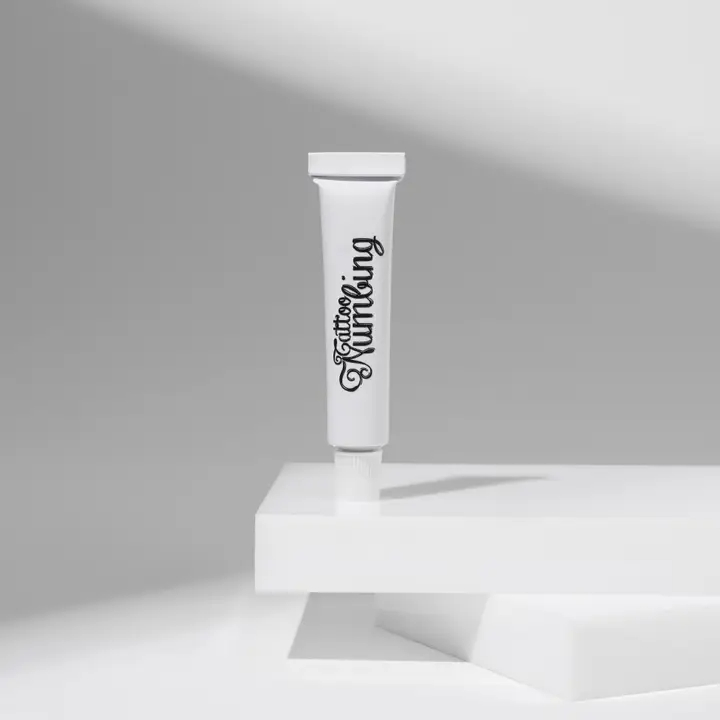
Tattoo culture continues to grow around the world, and with it comes a strong demand for pain-free tattooing. Whether you’re getting your first piece or adding another design to your collection, tattoo pain can still be a major fear. This is where tattoo numbing cream becomes a game-changer.
In 2025, tattoo numbing creams have become more advanced, safer, and more effective than ever before. If used correctly, they can reduce pain by up to 95%, making long sessions, sensitive areas, and detailed work much easier to sit through.
This 5,000-word master guide covers everything you need to know:
- What tattoo numbing cream is
- How it works
- Step-by-step usage guide
- How long it lasts
- Mistakes to avoid
- Tips to boost numbing strength
- Safety guidelines
- Artist recommendations
- Aftercare tips
- FAQs
Let’s dive in.
1. What Is Tattoo Numbing Cream?
Tattoo numbing cream is a topical anesthetic designed to reduce or completely block the pain felt during tattooing. Most formulas contain lidocaine, a trusted local anesthetic used in medical, cosmetic, and skincare procedures.
Other common numbing ingredients include:
- Prilocaine
- Benzocaine
- Tetracaine
These ingredients absorb into the skin and temporarily block nerve signals, preventing pain messages from reaching the brain.
Why It’s Popular in 2025
Tattoo sessions are longer, tattoos are more detailed, and fine-line micro tattoos require extreme precision. Numbing cream helps both clients and artists by:
- Reducing pain
- Allowing longer sessions
- Helping clients stay calm
- Preventing unnecessary movements
- Improving tattoo quality
2. How Does Tattoo Numbing Cream Work?
When applied correctly, numbing cream works in three stages:
Stage 1: Absorption
The cream penetrates the top layers of skin. Lidocaine begins to activate in 5–15 minutes.
Stage 2: Numbing
Pain receptors become blocked. You may feel:
- Tingling
- Warmth
- Slight tightness
- Dulling sensation
Stage 3: Maximum Effect
After 25–45 minutes, the area becomes fully numb and stays that way for 2–4 hours, depending on:
- Skin type
- Amount applied
- Formula strength
- Session length
Your artist can begin tattooing while the skin is fully numb.
3. Step-by-Step Guide: How to Use Tattoo Numbing Cream (2025 Method)
This is the correct, modern, artist-approved method for maximum numbing.
Step 1: Clean the Skin Thoroughly
Use:
- Mild soap
- Warm water
- Alcohol wipe (recommended)
Remove:
- Sweat
- Dead skin
- Oils
- Dirt
- Lotion
A clean surface = deeper absorption.
Step 2: Exfoliate the Area (Optional but Highly Recommended)
Gentle exfoliation:
- Removes dead skin
- Opens pathways for absorption
- Boosts numbing power
A simple scrub or exfoliating mitt works.
Step 3: Dry the Skin Completely
Moisture blocks the cream from absorbing. Make sure the area is 100% dry.
Step 4: Apply a Thick, Even Layer of Numbing Cream
Use more than you think. A thin layer won’t work.
Spread a thick coating, about:
- 2–3 mm thick
- Like icing a cake
Avoid rubbing too much—just smooth it out.
Step 5: Cover the Area With Plastic Wrap (Very Important)
Plastic wrap:
- Activates heat
- Opens pores
- Traps the cream
- Boosts the numbing effect
This is the secret to long-lasting numbing.
Step 6: Let It Sit for 30–45 Minutes
For strong numbing:
- Minimum: 25 minutes
- Ideal: 40–45 minutes
- Extra strong: 50–60 minutes
Do not remove early.
Step 7: Remove Wrap + Wipe Off Excess Cream
Just before tattooing starts:
- Remove the wrap
- Wipe off gently
- Let your artist prep the area
The cream has already absorbed—no need to reapply.
4. How Long Does Tattoo Numbing Last?
Most high-quality creams last 2–4 hours, depending on:
- Skin type
- Cream strength
- Tattoo location
- Session length
- Thickness of application
Areas That Hold Numbing Longer
- Forearms
- Thighs
- Upper arms
Areas Where Numbing Fades Faster
- Ribs
- Hands
- Feet
- Neck
- Stomach
You can reapply during breaks if your artist agrees.
5. Best Areas to Use Numbing Cream
Numbing cream works extremely well on:
✔ Ribs
✔ Spine
✔ Ankles
✔ Wrists
✔ Hands & Fingers
✔ Feet
✔ Stomach
✔ Chest
✔ Armpit area
✔ Neck
✔ Inner arms
✔ Behind knees
✔ Full sleeves
✔ Back pieces
These areas are naturally painful because they have:
- More nerves
- Thinner skin
- Less fat
6. Common Mistakes to Avoid
Avoid these mistakes if you want maximum numbing:
❌ Applying too little
Always apply a thick layer.
❌ Not covering with plastic wrap
Wrap = 50% stronger numbing.
❌ Applying it right before tattooing
You must give it time to activate.
❌ Using cheap low-quality formulas
Weak numbing = wasted pain.
❌ Using cream on broken or fresh skin
Never apply numbing cream on:
- open wounds
- fresh tattoos
- irritated skin
7. Advanced Tips to Boost Numbing Strength
✔ Exfoliate before applying
Absorption increases by 30–40%.
✔ Sit still while it activates
Movement slows absorption.
✔ Keep the skin warm
Warm skin = better numbing.
✔ Apply an extra thin coat after wiping
Some artists allow this.
8. Is Tattoo Numbing Cream Safe?
Yes—when used correctly.
High-quality creams are:
- Dermatologist-tested
- Non-greasy
- Safe for all skin types
- Fast-acting
- Non-irritating
Always follow instructions if you have:
- sensitive skin
- allergies
- medical conditions
9. Does Numbing Cream Affect Tattoo Ink?
No—if used properly.
In 2025, modern formulas are designed to:
- NOT dilute ink
- NOT cause fading
- NOT create patchy lines
- NOT disrupt healing
Professional artists worldwide now approve numbing creams.
10. Who Should Use Tattoo Numbing Cream?
Numbing cream is ideal for:
✔ First-time tattoo clients
✔ People with low pain tolerance
✔ Long tattoo sessions
✔ Fine-line and micro tattoos
✔ Large back pieces
✔ Rib or spine tattoos
✔ Anyone who simply wants a comfortable experience
11. Tattoo Aftercare: What to Do After Using Numbing Cream
Numbing cream does not affect aftercare.
Follow your artist’s advice:
- Wash gently with antibacterial soap
- Pat dry
- Apply tattoo aftercare balm
- Avoid scratching
- Stay out of the sun
- Avoid swimming or sweating heavily
Use a tattoo aftercare balm to keep skin:
- hydrated
- nourished
- smooth
- itch-free
This helps the ink heal brighter and cleaner.
12. Frequently Asked Questions
Q: Does numbing cream work for the whole tattoo session?
Usually yes for 2–4 hours.
Q: Can you reapply mid-session?
Yes—only if the artist agrees.
Q: Does it stop all pain?
Not 100%, but around 70–95% for most people.
Q: Is it safe for sensitive skin?
Yes—most high-quality creams are hypoallergenic.
Conclusion: Numbing Cream Makes Tattooing Easier, Safer & More Comfortable
In 2025, tattoo numbing cream is no longer a luxury—it’s a normal part of tattoo preparation. Whether you’re getting a small fine-line piece or a full back tattoo, using numbing cream correctly can transform your experience from stressful to calm and pain-free.
It helps you:
✔ Sit longer
✔ Stay relaxed
✔ Get cleaner artwork
✔ Reduce anxiety
✔ Enjoy the experience
When used correctly, numbing cream is safe, effective, and the best way to enjoy your tattoo session without fear of pain.