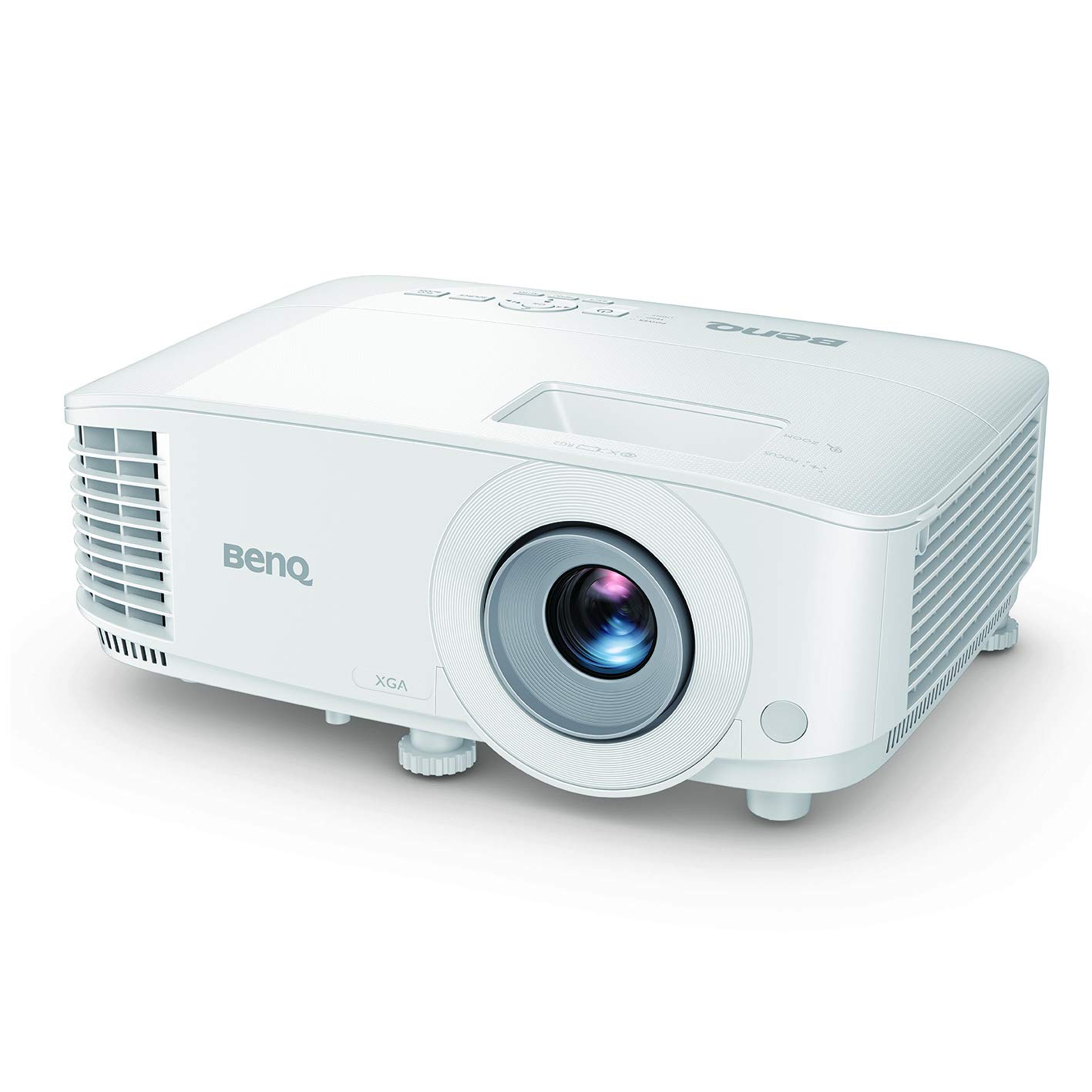
Projectors have become an essential tool in the modern classroom. They are used for displaying lectures, videos, presentations, and other multimedia content. However, not all projectors are created equal, and selecting the right one can be a daunting task. In this article, we will guide you through the process of choosing the best projectors for the classroom.
What are projectors for classrooms?
Projectors for classrooms are devices that display images and videos on a screen or a whiteboard. They can be connected to a computer, laptop, or other devices, and they come in different sizes, resolutions, and technologies.
Factors to consider when choosing projectors for classrooms.
When choosing a projector for your classroom, consider the following factors:
1. Resolution: Projectors come in different resolutions, including XGA, WXGA, and HD. Choose a projector with a resolution that matches the content you will be displaying.
2. Brightness: The brightness of a projector is measured in lumens. A brighter projector is better for larger rooms or spaces with high ambient light.
3. Contrast ratio: The contrast ratio measures the difference between the brightest and darkest areas of an image. A higher contrast ratio produces a more vivid and clear image.
4. Connectivity: Choose a projector that supports multiple input sources, such as HDMI, VGA, and USB. This will allow you to connect various devices to the projector.
5. Lamp life: Projector lamps have a limited lifespan and need to be replaced periodically. Consider the lamp life when selecting a projector.
Types of projectors for classrooms
There are different types of projectors for classrooms, including:
1. LCD projectors: These projectors use liquid crystal display technology and are affordable and reliable. They are ideal for displaying text and graphics.
2. DLP projectors: These projectors use digital light processing technology and produce high-quality images with high contrast and deep blacks. They are ideal for displaying videos and movies.
3. Short-throw projectors: These projectors can display large images from a short distance, making them ideal for small classrooms or spaces.
Conclusion
Choosing the best projectors for classrooms is crucial for delivering engaging and effective lessons. Consider the resolution, brightness, contrast ratio, connectivity, and lamp life when selecting a projector. Additionally, choose the right type of projector that suits your specific needs.
FAQs:
Q: How do I connect my projector to my computer?
A: You can connect your projector to your computer using an HDMI or VGA cable.
Q: How often do I need to replace my projector lamp?
A: The lamp life of a projector varies depending on the model and usage. Check the specifications of your projector for the estimated lamp life.
Q: Can I use a projector in a well-lit classroom?
A: Yes, you can use a projector in a well-lit classroom, but choose a brighter projector with higher lumens.
Q: Which type of projector is best for displaying videos?
A: DLP projectors are ideal for displaying videos with high contrast and deep blacks.
Q: Are short-throw projectors more expensive than other types of projectors?
A: Short-throw projectors can be more expensive than other types of projectors, but they offer unique benefits in terms of space and image size.