When embarking on a cutting project, selecting the appropriate chainsaw blade—more accurately called the saw chain—is crucial for ensuring efficiency, precision, and safety. Whether you're a seasoned professional or a first-time user, the sheer number of saw chain types available can be overwhelming. Each type of chain is designed with specific purposes in mind, ranging from light pruning to heavy-duty logging.
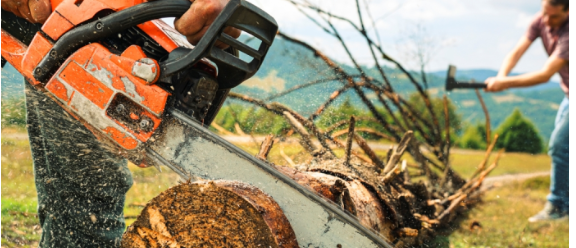
Understanding the differences between saw chain types is the key to getting the best performance from your chainsaw and staying safe while using it. This guide breaks down the most common saw chain types, their features, benefits, and how to choose the best one for your specific cutting task.
Why Saw Chain Type Matters
Chainsaws are powerful tools, but without the correct chain, even the most advanced saw can underperform. The wrong chain can lead to slower cutting, faster wear and tear, increased fuel or battery consumption, and potentially dangerous kickback. On the other hand, choosing the right saw chain type can improve efficiency, extend the life of your equipment, and make your work safer and easier.
Key Features That Define Saw Chain Types
Before diving into specific saw chain types, it’s important to understand a few key features that define chains:
- Pitch: The distance between three rivets divided by two; this determines the size of the chain.
- Gauge: The thickness of the drive links, which must match your chainsaw bar.
- Cutter type: The shape of the cutting teeth, affecting speed and durability.
- Tooth arrangement: The spacing and layout of the cutters on the chain.
Each of these elements plays a role in how a chain behaves during cutting.
Common Saw Chain Types
Here’s a breakdown of the most commonly used saw chain types, their characteristics, and ideal use cases.
1. Full Chisel Chain
The full chisel chain features square-cornered teeth, allowing for fast and aggressive cuts. It's a favorite among professionals who need to cut through hardwood quickly and efficiently.
- Best for: Hardwood, clean wood, large trees.
- Pros: Extremely fast cutting.
- Cons: Dulls quickly; not ideal for dirty or frozen wood; higher risk of kickback.
2. Semi-Chisel Chain
This chain has rounded-corner teeth, making it more durable and forgiving in dirty or frozen wood conditions. While it cuts slower than a full chisel chain, it stays sharper longer.
- Best for: Softwood, dirty wood, frozen wood.
- Pros: Longer edge retention, lower kickback.
- Cons: Slower cutting speed compared to full chisel.
3. Micro Chisel Chain
A variation of the semi-chisel chain, micro chisel chains have smaller rounded teeth. They offer a good balance between performance and ease of maintenance, making them ideal for occasional users.
- Best for: Home use, light-duty tasks.
- Pros: Easy to sharpen, durable, low kickback.
- Cons: Not suitable for high-performance or professional work.
4. Low-Profile Chain
Commonly found on consumer-grade chainsaws, low-profile chains are designed with safety in mind. They have smaller teeth and extra features to reduce kickback, making them ideal for homeowners and beginners.
- Best for: Casual or first-time users, pruning, small tree felling.
- Pros: Safe, lightweight, easy to replace.
- Cons: Slower cutting, less robust.
5. Skip Tooth Chain
The skip tooth chain features fewer teeth, with increased spacing between them. This allows the chain to clear debris quickly, making it useful for cutting large logs or rough wood where speed is more important than finish.
- Best for: Logging, large cuts, chainsaw milling.
- Pros: Requires less power, faster rough cutting.
- Cons: Rougher cuts, more vibration.
6. Ripping Chain
Ripping chains are specifically designed for cutting along the grain of the wood, making them essential for chainsaw milling and lumber work. The cutter angles are optimized for smooth, long cuts.
- Best for: Chainsaw milling, lumber production.
- Pros: Smooth cuts along the grain.
- Cons: Not suitable for cross-cutting.
How to Choose the Right Saw Chain Type
Selecting the right saw chain type depends on several factors:
- Type of wood: Hardwood vs. softwood, clean vs. dirty wood.
- Project scope: Are you pruning, felling, milling, or cutting firewood?
- Chainsaw size and power: Some chains are better suited for high-powered saws.
- User experience: Novices should prioritize safety and ease of use.
- Cutting direction: Ripping chains are for cutting with the grain; others are for cross-cutting.
Always consult your chainsaw manufacturer’s guidelines before switching to a different chain type to ensure compatibility.
Saw Chain Maintenance Tips
Regardless of the chain type you choose, proper maintenance is vital:
- Sharpen regularly using the correct file size.
- Lubricate properly to prevent overheating.
- Check tension often to avoid slippage or breakage.
- Inspect for damage before each use.
A well-maintained saw chain ensures better performance and a longer lifespan for both the chain and the chainsaw.
Final Thoughts
With so many saw chain types to choose from, it’s easy to feel overwhelmed. However, understanding the basics—such as cutter shape, tooth arrangement, and chain design—makes the decision much easier. Whether you’re pruning small branches or cutting massive logs, there's a chain specifically engineered to handle the task.
Choosing the right saw chain type not only improves cutting performance but also significantly enhances user safety and reduces tool wear. Take the time to assess your needs, match your chain to your chainsaw, and ensure it’s well-maintained. With the right setup, you’ll tackle any cutting project with confidence and precision.