Introduction:
Uterine Fibroid Embolization (UFE) has emerged as a groundbreaking non-surgical treatment for uterine fibroids, providing women with a minimally invasive alternative to traditional surgery. One crucial aspect of the UFE process that deserves attention is the recovery period. In this blog, we'll delve into the UFE procedure recovery, offering insights and tips to ensure a smooth and successful recuperation.
Understanding UFE:
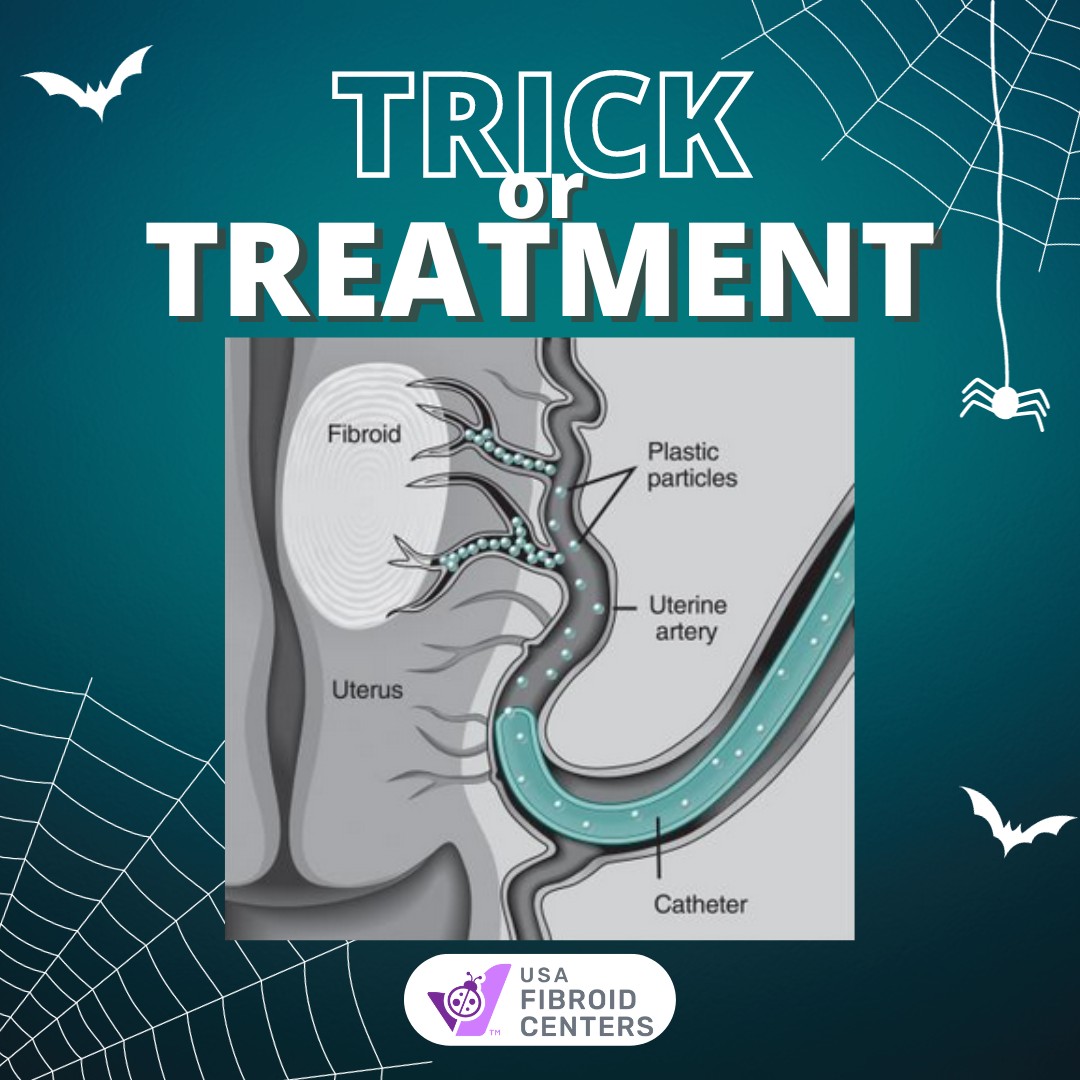
Before we explore the recovery journey, let's briefly understand the UFE procedure. UFE involves blocking the blood supply to uterine fibroids, causing them to shrink and alleviate symptoms. Unlike surgery, UFE is performed through a tiny incision, minimizing discomfort and expediting the recovery process.
The Initial Days Post-UFE:
In the immediate aftermath of UFE, it's normal to experience some mild to moderate discomfort, cramping, and fatigue. Your healthcare provider will prescribe medications to manage pain and ensure a more comfortable recovery. Rest is paramount during this time, so plan on taking it easy for the first few days.
Managing Discomfort:
To alleviate post-UFE discomfort, consider applying a heating pad to your lower abdomen or taking over-the-counter pain relievers as directed by your healthcare provider. Adequate hydration is essential, as it helps flush out any residual particles from the embolization process and aids in overall recovery.
Returning to Normal Activities:
While rest is crucial in the initial days, gradual reintegration into regular activities is encouraged. Light activities such as walking can help prevent blood clots and promote healing. However, it's essential to avoid strenuous exercises or heavy lifting during the early stages of recovery.
Follow-Up Care:
Regular follow-up appointments with your healthcare provider are essential to monitor your progress post-UFE. These appointments allow for the assessment of fibroid reduction and ensure that your recovery is proceeding as expected. Communicate any concerns or unusual symptoms to your healthcare team promptly.
Dietary Considerations:
Maintaining a healthy diet post-UFE can aid in the recovery process. Opt for nutrient-rich foods, and consider incorporating iron-rich options to counteract any potential blood loss during the procedure. Consult with your healthcare provider for personalized dietary recommendations.
Emotional Well-being:
Acknowledging the emotional aspect of recovery is equally crucial. Many women experience a range of emotions post-UFE, including relief, joy, or even a sense of empowerment. Open communication with your healthcare provider, support from loved ones, and joining support groups can contribute to a positive emotional recovery.
Conclusion:
Uterine Fibroid Embolization is a transformative procedure that offers relief from the symptoms of uterine fibroids with minimal invasiveness. Understanding and embracing the recovery process is vital for a successful outcome. By following your healthcare provider's guidance, taking the time to rest, and adopting healthy habits, you can navigate the UFE procedure recovery with confidence and embark on a journey toward improved well-being.