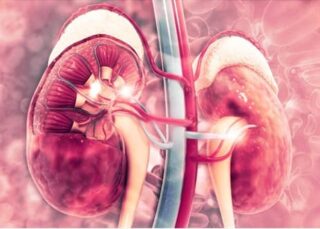
Kidney failure can sometimes be managed with renal replacement therapy. This means either dialysis or a kidney transplant. The kidneys have two main roles. They filter the blood, removing excess water and waste products, which pass out of the body as urine.
They also make hormones which:
- help make new red blood cells
- regulate the amount of chemicals in the body.
What are signs of stone disease?
1. Asymptomatic and incidentally detected on abdominal imaging
2. Symptomatic and may present one or more of the following symptoms:
• Persistent abdominal and/or flank pain, pain that may spread from back or side of abdomen towards
groin, pain that comes in waves and subsides temporarily (colicky pain)
• Nausea and vomiting
• Passage of blood or clots or gravel in urine
• Urinary tract obstruction causing decreased urine output
• Pain during passing urine, fever, foul smelling urine (Infection)
• Decreased kidney function and its manifestations
Kidney Transplant Services:
For eligible patients, Swanand Kidney Clinic offers kidney transplant services. Patients may receive a kidney from a living donor, such as a family member or friend, or from a deceased donor. The clinic's experienced team of nephrologists and transplant specialists provide comprehensive care before, during, and after the transplant procedure.
Kidney failure, also known as end-stage renal disease (ESRD), is a serious condition where the kidneys are unable to filter waste and excess fluids from the body effectively. The clinic's state-of-the-art facilities, strict infection control policies, and dedicated team of healthcare professionals ensure that patients receive the highest quality of kidney failure treatment in Pune.