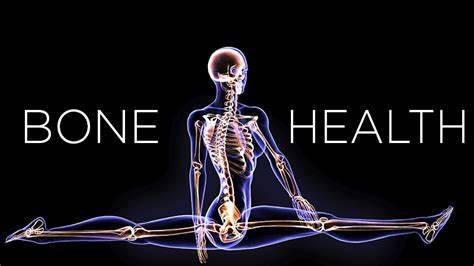
Bone health is crucial for overall well-being, as bones provide the framework and support for our Body, protect our internal organs and aid in movement. Without strong bones, we are at risk of fractures, disability, and even death. Osteoporosis, a condition characterized by weak and brittle bones, affects millions worldwide, particularly older adults and women after menopause. Therefore, it is vital to take preventive measures to maintain and improve bone health, including a healthy diet, regular exercise, and adequate intake of essential nutrients like folic acid.
What is Folic Acid, and How Does it Work in the Body?
Folic acid, also known as folate or vitamin B9, is a water-soluble vitamin that plays a crucial role in various bodily functions, including DNA synthesis, red blood cell production, and cell growth and repair. It is essential for developing a healthy nervous system and helps prevent congenital disabilities in the fetus during pregnancy. Folic acid works by converting into its active form, methyl folate, which is involved in the metabolism of homocysteine, an amino acid linked to cardiovascular disease and other health problems. It also supports bone health by aiding in the production of collagen, a protein that forms the matrix of bone tissue.
The Relationship Between Folic Acid and Bone Health
There is a growing body of evidence suggesting that folic acid may have a beneficial effect on bone health. Studies have found that individuals with low levels of folic acid have lower bone mineral density and are at increased risk of osteoporosis and bone fractures. Folic acid is involved in the metabolism of homocysteine, which can cause bone loss and reduce bone strength. Folic acid also plays a role in the production of collagen, a critical component of bone tissue, and may improve bone remodeling by enhancing osteoblast activity and reducing osteoclast activity.
Folic Acid and Bone Density
Bone density refers to the mineral content in bone tissue and is a crucial indicator of bone health. Research has shown a positive relationship between folic acid intake and bone density. Folic acid supplementation has increased bone mineral density in postmenopausal women and older men, both at risk for osteoporosis. Studies have also shown that higher folic acid intake is associated with a lower risk of hip fractures. Folic acid may improve bone density by supporting the bone formation and reducing bone resorption, resulting in stronger and healthier bones.
How Folic Acid Can Reduce the Risk of Osteoporosis
Osteoporosis is a disease characterized by low bone density and increased bone fragility, leading to a higher risk of fractures. Folic acid has been shown to reduce the risk of osteoporosis by improving bone density and reducing bone loss. Folic acid supplementation may increase the activity of osteoblasts, the cells responsible for building bone tissue while reducing the activity of osteoclasts, the cells that break down bone tissue. Additionally, folic acid may reduce homocysteine levels, a compound linked to bone loss and osteoporosis.
The Role of Folic Acid in Bone Remodeling
Bone remodeling removes old bone tissue and forms new bone tissue, maintaining bone strength and integrity. Folic acid plays a crucial role in bone remodeling by supporting the activity of osteoblasts, which produce new bone tissue and inhibiting the activity of osteoclasts, which break down old bone tissue. Folic acid also helps to produce collagen, a protein that provides the structural framework for bone tissue. By aiding in bone remodeling, folic acid may help to maintain and improve bone health, reducing the risk of osteoporosis and fractures.
How to Get Enough Folic Acid in Your Diet
The recommended daily intake of folic acid is 400 micrograms for most adults. Folate is found naturally in many foods, including leafy green vegetables, citrus fruits, beans, and whole grains. Fortified foods such as breakfast cereals, bread, and pasta also contain added folic acid. It is important to note that cooking and processing can reduce the amount of folate in food. Therefore, eating various fresh, unprocessed foods is recommended to ensure adequate folate intake. Folic acid supplements are sometimes necessary to meet daily needs.
Folic Acid Supplements
While most people can meet their daily folic acid needs through a balanced diet, certain individuals may benefit from folic acid supplements. These include pregnant women, individuals with malabsorption disorders or certain medications that interfere with folic acid absorption, and those with a history of neural tube defects or low folate levels. However, speaking with a healthcare provider before starting any supplement regimen is essential, as high doses of folic acid can mask vitamin B12 deficiency and may interact with certain medications.
Precautions and Considerations When Taking Folic Acid
While folic acid is generally considered safe and well-tolerated, there are some precautions and considerations to remember. High doses of folic acid can mask symptoms of vitamin B12 deficiency, which can lead to nerve damage if left untreated. Folic acid may also interact with certain medications, including anti-seizure drugs and methotrexate, used to treat cancer and autoimmune disorders. It is important to speak with a healthcare provider before taking folic acid supplements, especially if you have any underlying medical conditions or are taking medications.
Conclusion
Folic acid plays an important role in maintaining bone health and reducing the risk of osteoporosis. While most people can obtain adequate folic acid through a balanced diet, certain individuals may benefit from folic acid supplements. However, it is important to speak with a healthcare provider before starting any supplement regimen, as high doses of folic acid can have potential risks and interactions with certain medications. In conclusion, ensuring adequate folic acid intake through a balanced diet or supplements can contribute to maintaining good bone health and reducing the risk of osteoporosis.