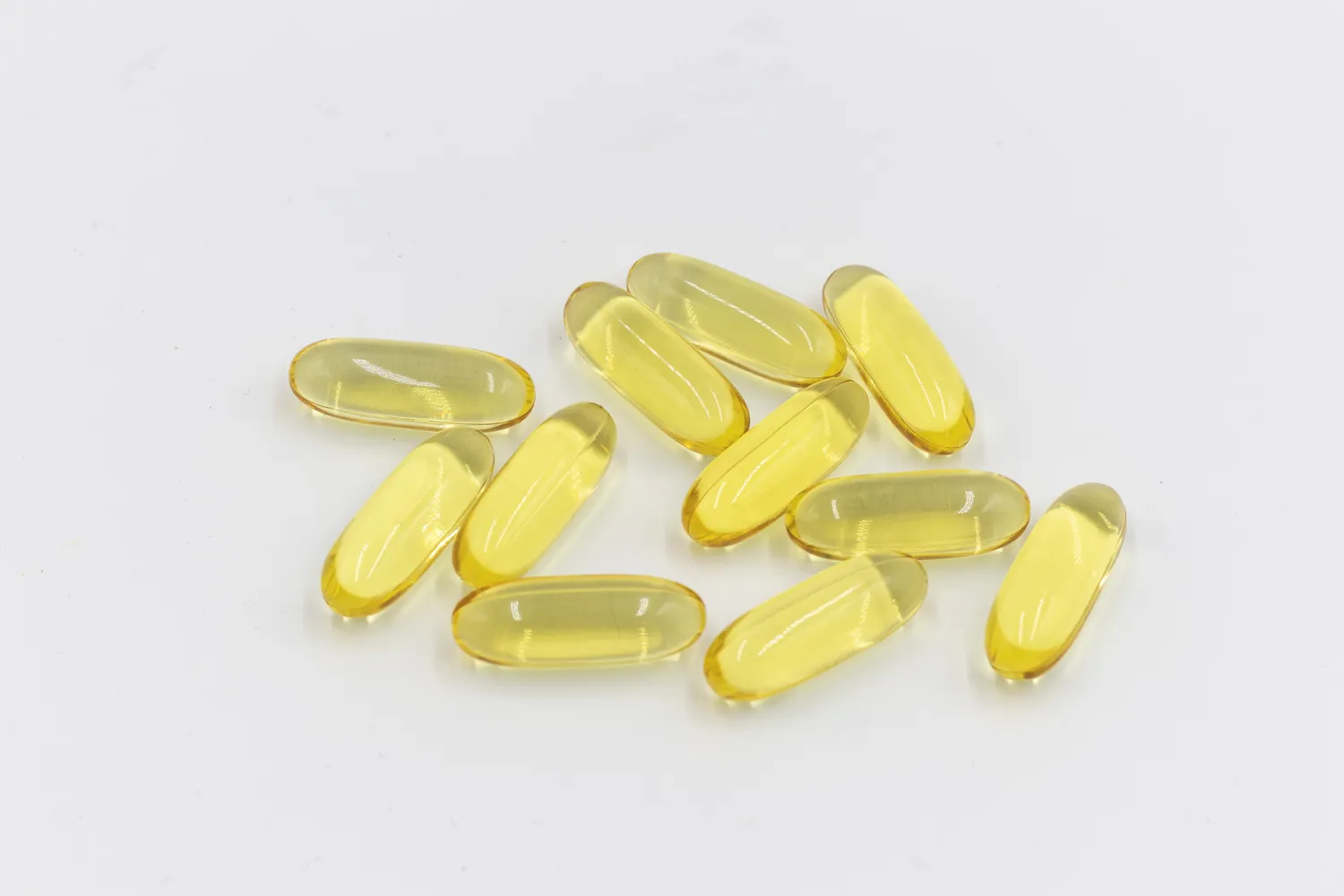
Vitamin D is a fat-soluble vitamin important in maintaining overall health and well-being. Its main function is to help the body absorb calcium from food, which is crucial for building strong bones and teeth. Vitamin D also supports immune system function, helps regulate cell growth and differentiation, and may have a role in reducing inflammation. In addition, research suggests that vitamin D may protect against certain chronic diseases, such as heart disease, diabetes, and cancer.
How does the body produce vitamin D?
The body can produce vitamin D when the skin is exposed to sunlight. Specifically, when the skin is exposed to UVB radiation from the sun, a cholesterol-like compound in the skin is converted into a precursor form of vitamin D. This precursor is then transported to the liver and kidneys, where it is converted into the active form of vitamin D that the body can use. The amount of vitamin D produced from sunlight depends on factors such as the time of day, season, latitude, and skin pigmentation.
What are the common sources of vitamin D?
There are two main sources of vitamin D: sunlight and dietary sources. Sunlight is the primary source of vitamin D for most people, but some foods are also good sources of the vitamin. Fatty fish, such as salmon, tuna, and mackerel, are some of the best dietary sources of vitamin D. Other sources include egg yolks, cheese, and fortified foods such as milk, orange juice, and cereal. However, obtaining adequate amounts of vitamin D through diet alone can be difficult, especially for individuals with limited sun exposure.
Who is at risk of vitamin D deficiency?
Certain groups of people are at higher risk of vitamin D deficiency, including those with limited sun exposure, older adults, individuals with darker skin, and those who follow a strict vegan or vegetarian diet. People with fat malabsorption syndromes or inflammatory bowel disease may also be at risk of deficiency due to reduced absorption of dietary vitamin D. Additionally, people who are obese or have undergone weight-loss surgery may have lower vitamin D levels due to decreased absorption and storage of the vitamin in adipose tissue.
How can vitamin D deficiency affect your health?
Vitamin D deficiency can have various effects on health. Inadequate vitamin D levels can impair calcium absorption, weakening bones, brittle bones, and an increased risk of fractures. Vitamin D deficiency is also associated with an increased risk of falls and muscle weakness. In addition, low vitamin D levels have been linked to an increased risk of chronic diseases such as heart disease, diabetes, and cancer. Some studies also suggest a possible link between vitamin D deficiency and depression.
What are the potential benefits of taking vitamin D supplements?
Vitamin D supplements have several potential benefits for overall health and well-being. Adequate vitamin D levels can help support bone health, reduce the risk of fractures, and improve muscle function. In addition, research suggests that vitamin D may have a role in reducing the risk of chronic diseases such as heart disease, diabetes, and certain types of cancer. Some studies also suggest that vitamin D supplementation may help improve mood and reduce symptoms of depression. However, more research is needed to understand the potential benefits of vitamin D supplements fully.
How much vitamin D should you take?
The recommended daily allowance (RDA) for vitamin D varies by age and health status. The RDA for most adults is 600-800 IU (international units) per day, with higher amounts recommended for individuals over 70. However, some experts suggest that higher doses of vitamin D may be necessary to maintain optimal levels in certain populations. The upper limit for daily vitamin D intake is 4,000 IU; individuals should consult a healthcare provider before taking higher doses.
Are there any risks associated with taking vitamin D supplements?
While vitamin D supplements are generally considered safe when recommended, excessive intake can lead to toxicity. Symptoms of vitamin D toxicity include nausea, vomiting, weakness, frequent urination, and kidney damage. Taking too much vitamin D can also lead to high levels of calcium in the blood, which can cause bone pain and kidney stones. Individuals with certain medical conditions, such as kidney disease or hypercalcemia, should be cautious when taking vitamin D supplements and consult a healthcare provider before starting supplementation.
Can you get too much vitamin D
Getting too much vitamin D is possible, and over-supplementing can lead to toxicity. Symptoms of vitamin D toxicity include nausea, vomiting, weakness, frequent urination, and kidney damage. Taking too much vitamin D can also lead to high levels of calcium in the blood, which can cause bone pain and kidney stones. The upper limit for daily vitamin D intake is 4,000 IU; individuals should consult a healthcare provider before taking higher doses. Over-supplementing with vitamin D is generally more of a concern than obtaining too much vitamin D from sun exposure or food sources.
Conclusion
In conclusion, vitamin D is an important nutrient for overall health and well-being; deficiencies can lead to various health problems. While sunlight and dietary sources can provide vitamin D, supplementation may be necessary for some individuals. The Ephuroalabs Vitamin D3 supplement is a high-quality option for those needing additional vitamin D. It provides 2,000 IU per serving, higher than the RDA but still within safe limits. As with any supplement, it is important to consult with a healthcare provider before starting supplementation.