The condition osteoporosis causes bones to weaken and become brittle. It is a common condition, particularly among women who have gone through menopause, but it can also affect men and younger women. Osteoporosis is often called a "silent disease" because it usually has no symptoms until a bone is broken.
Bones are living tissues that are constantly breaking down and rebuilding themselves. Osteoporosis occurs when the bones break down faster than they can rebuild, causing them to become weak and thin. This makes the bones more susceptible to fractures, particularly in the spine, hip, and wrist. Even minor bumps or falls can cause fractures in people with osteoporosis.
The diagnosis of osteoporosis is typically made through a bone density scan, which measures the amount of bone mineral density in the hip, spine, and wrist. This test is painless and non-invasive and can help identify the presence of osteoporosis before a fracture occurs.
Zinc picolinate and osteoporosis
While some studies have suggested that zinc supplementation may help improve bone density and reduce the risk of osteoporosis, the evidence is mixed, and more research is needed to understand the link between zinc picolinate and osteoporosis fully.
A 2014 study published in the Journal of Trace Elements in Medicine and Biology found that zinc supplementation improved bone density in postmenopausal women at increased risk of osteoporosis due to decreased estrogen levels. Another study published in the Journal of Nutrition Health and Aging in 2018 found that zinc supplementation improved bone density in older women.
Causes of osteoporosis
Osteoporosis is caused by other factors, including medical conditions or medications that affect bone density. Some of the most common causes of secondary osteoporosis include:
Medical conditions: Certain conditions can cause or contribute to osteoporosis, including hyperthyroidism, hyperparathyroidism, Cushing's syndrome, and chronic kidney disease.
Hormonal disorders: Disorders that affect hormone levels, such as diabetes, can also lead to decreased bone density.
Medications: Certain medications, such as glucocorticoids (used to treat inflammatory conditions such as asthma and rheumatoid arthritis), can lead to bone loss.
Lifestyle factors: Lifestyle factors such as a sedentary lifestyle, smoking, excessive alcohol consumption, and a diet low in calcium and vitamin D can contribute to the development of osteoporosis.
Family history: Osteoporosis can be hereditary, so having a family history of the disease can increase the risk of developing it.
Effects of Osteoporosis on the body
Osteoporosis can have several effects on the body, particularly on the skeletal system. Here are some of the most common effects of osteoporosis:
Increased risk of fractures: Osteoporosis causes bones to become weak and brittle, making them more susceptible to fractures, particularly in the hip, spine, and wrist. Fractures can lead to chronic pain, disability, and loss of mobility.
Decreased bone density: Osteoporosis leads to a loss of bone mass and density, making bones thinner and more fragile.
Changes in posture: As the bones in the spine weaken, individuals with osteoporosis may develop a stooped posture, known as a "dowager's hump."
Height loss: Osteoporosis can cause vertebrae in the spine to compress, resulting in a loss of height.
Chronic pain: Fractures caused by osteoporosis can cause chronic pain, particularly in the back and hip.
Limited mobility: Osteoporosis can lead to decreased mobility and independence, as individuals may be afraid of falling or experiencing pain with movement.
Decreased quality of life: The physical limitations and chronic pain associated with osteoporosis can result in a reduced quality of life and a higher risk of depression.
Increased mortality risk: In severe cases, osteoporosis can be life-threatening, mainly if a fracture results in complications such as infection or pneumonia.
It's important to note that not all individuals with osteoporosis will experience these effects, and the severity of symptoms can vary widely.
Role of zinc picolinate
Zinc is a trace mineral that is essential for a variety of bodily processes, including bone health. Zinc is required for the activity of several enzymes in bone tissue formation and maintenance. Zinc also plays a role in regulating hormones and growth factors critical for bone health.
Bone formation
One way that zinc may improve bone health is by promoting bone formation. Cells called osteoblasts are responsible for the formation of new bone. Zinc is involved in regulating genes that control osteoblast differentiation and function. Studies have shown that zinc supplementation can increase the activity of osteoblasts, resulting in increased bone formation.
Osteolasts activity
Zinc may also help inhibit osteoclasts' activity, the cells responsible for breaking down and resorbing bone tissue. Excessive osteoclast activity can lead to bone loss and osteoporosis. Zinc has been shown to inhibit the activity of enzymes involved in osteoclast formation and movement, which may help to reduce bone resorption and preserve bone mass.
Antioxidant effect
In addition to its effects on bone cells, zinc has antioxidant properties. Zinc helps to protect cells from damage caused by free radicals, which can contribute to inflammation and cellular damage. Inflammation is thought to play a role in the development of osteoporosis, and reducing inflammation may help to preserve bone density. Zinc also regulates cytokines, which are molecules involved in the immune response and inflammation.
Finally, zinc may help to regulate the activity of hormones such as estrogen, which are critical for maintaining bone health. Zinc is involved in regulating enzymes in estrogen metabolism, which may help preserve bone mass.
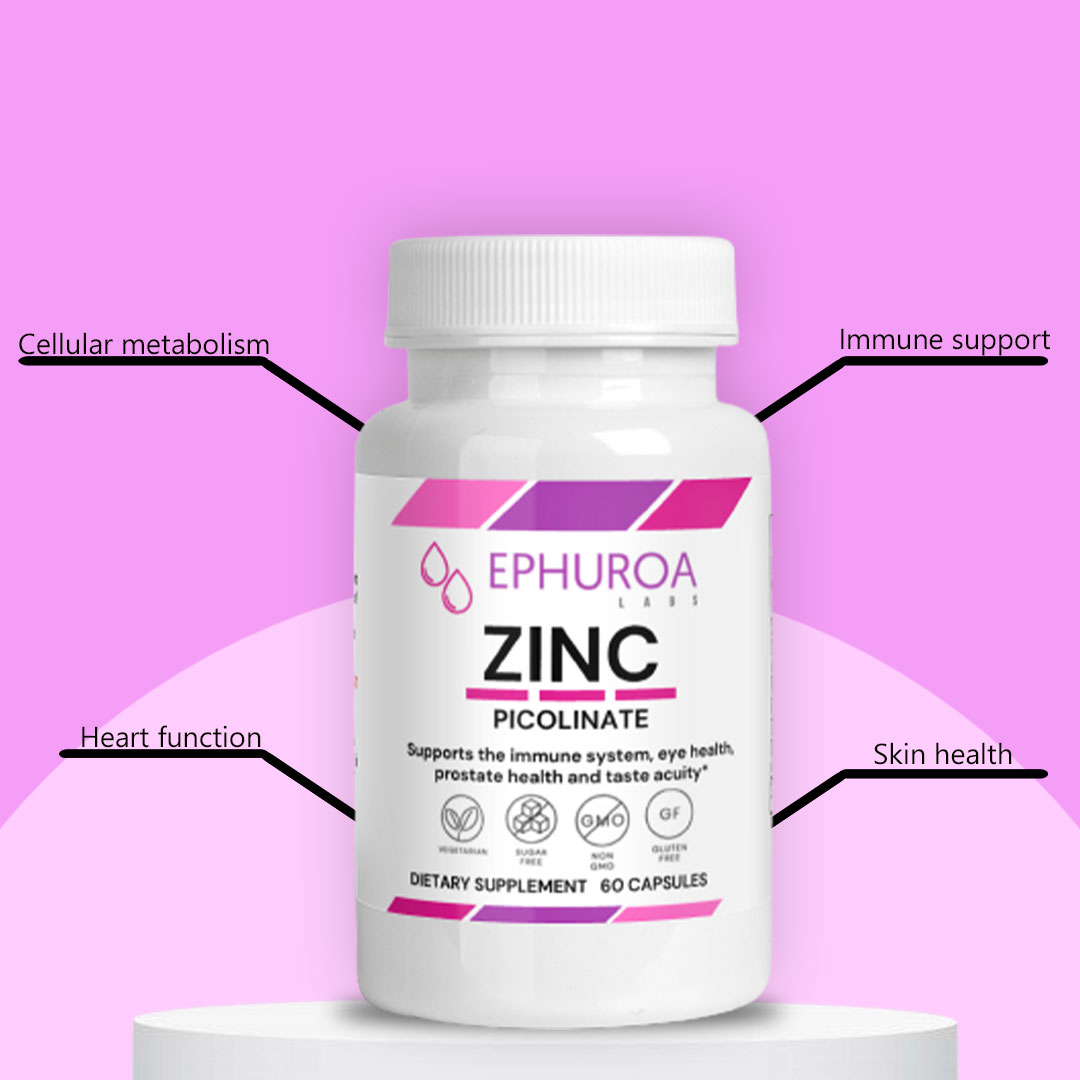
Ephuroalabs Zinc Picolinate
EphuroaLabs' zinc picolinate supplements are essential for treating many diseases and conditions; they are vegetarian and made without corn. The Non-GMO Project has verified the safety of the most popular dietary supplements. To ensure the highest quality, we only use state-of-the-art equipment in the manufacturing process.
Conclusion
Osteoporosis is a severe condition that can cause bone fractures and disability. While there is no cure, many treatments and lifestyle changes can improve bone health and reduce the risk of fractures. Talk to a healthcare professional and take steps to protect your bones as you age.