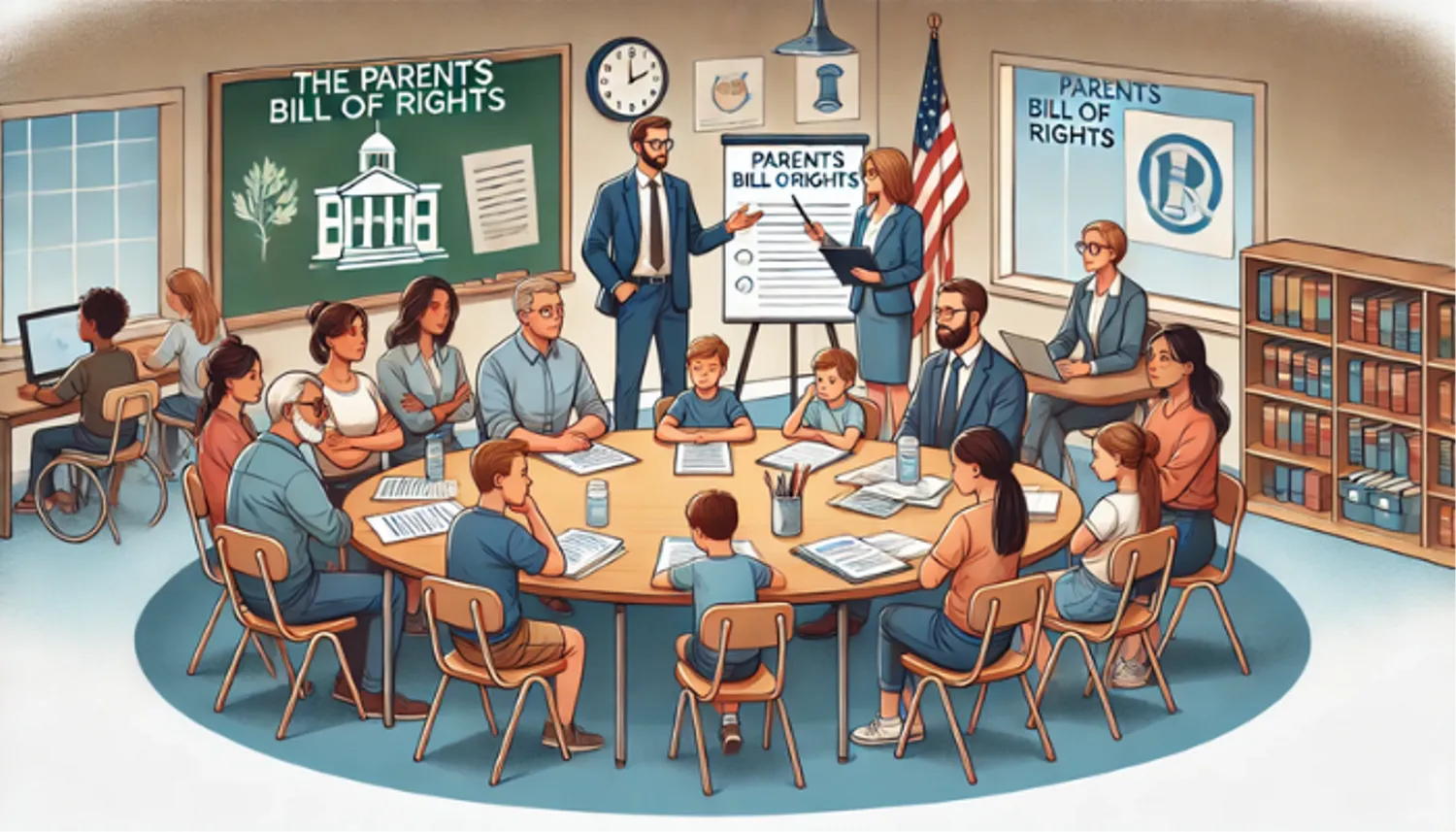
Parental involvement in education has long been a cornerstone of effective learning. Still, recent legislative proposals like the Parents’ Bill of Rights have sparked debate about the balance between parental oversight and academic freedom. Supporters argue that it strengthens parents’ ability to engage in their children’s education, while critics warn it may limit school curricula and professional autonomy.
What is the Parents’ Bill of Rights?
The Parents’ Bill of Rights is a proposed legislative framework designed to enhance transparency in education. It ensures parents have access to curriculum materials, school policies, and student records and seeks to grant parents a more significant say in their child’s education decisions. The bill covers areas such as classroom content, standardized testing, and parental consent for sensitive topics.
Advocates argue that these measures uphold education advocacy by reinforcing parental engagement and accountability in the school system. However, opponents caution that increasing parental control could inadvertently restrict teachers’ ability to address diverse perspectives in the classroom.
Key Provisions of the Parents’ Bill of Rights
Some of the central elements of this bill include:
- Curriculum Transparency: Schools may be required to make all instructional materials accessible to parents for review.
- Parental Consent for Sensitive Topics: Certain subjects, such as gender identity, sexual education, and racial history, may require explicit parental approval before being taught.
- Access to Student Records: Parents would have unrestricted access to their child’s educational records, including disciplinary actions and academic progress.
- School Choice Expansion: The bill often coincides with policies supporting charter schools, private school vouchers, and educational policy change aimed at increasing alternatives to public education.
Potential Benefits for Parents
Supporters of the Parents’ Bill of Rights claim that it reinforces nonpartisan education initiatives by fostering transparency and empowering families in decision-making. Some potential advantages include:
- Increased Awareness: Parents gain more precise insight into what their children learn in school.
- Greater Accountability: Schools may be more responsive to parental concerns and feedback.
- Stronger Family Engagement: Encouraging open dialogue between educators and families can enhance student outcomes.
This bill provides tools for parents seeking more control over their child’s education to ensure their values and expectations align with school policies.
Concerns About Limiting Educational Scope
Critics argue that while parental involvement is essential, excessive restrictions on classroom content could hinder educational quality. Some concerns include:
- Curriculum Censorship: Limiting access to specific topics may lead to an incomplete or biased education.
- Educator Constraints: Teachers may feel restricted in addressing critical social, historical, or scientific issues.
- Inconsistent Implementation: Policies may vary widely by state or district, leading to disparities in educational access.
Opponents caution that while parental rights are necessary, they should not come at the expense of nonpartisan education initiatives designed to prepare students for a diverse and evolving society.
The Future of the Parents’ Bill of Rights
As discussions surrounding the Parents’ Bill of Rights continue, the challenge lies in balancing parental engagement with maintaining academic integrity. Striking the right balance between transparency and professional discretion will determine the bill’s long-term impact on public education.
If you’re passionate about ensuring parental rights and educational quality coexist, explore ongoing education advocacy efforts and stay informed about educational policy change that may affect your child’s learning environment.