As parents, we all want our kids to grow up strong, active, and full of energy. Nutrition plays a huge role in that journey—but let’s face it, no matter how hard we try, kids aren’t always the easiest to feed. Between picky eaters, fast-paced routines, and modern food choices, there are bound to be some nutritional gaps.
That’s where thoughtful supplementation can really make a difference—particularly when it comes to calcium supplements with vitamin d and vitamin C for kids. These nutrients aren’t just “nice to have”; they’re foundational for healthy development in growing bodies.
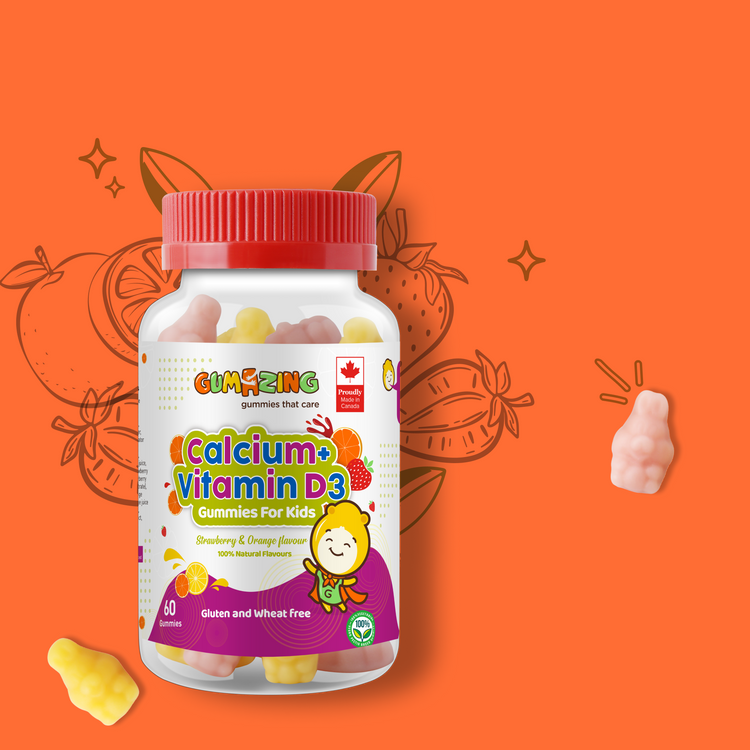
Let’s walk through why they matter, how they work together, and how to choose the right approach without overcomplicating things.
Why Calcium and Vitamin D Go Hand-in-Hand
Calcium is critical for building strong bones and teeth, especially during early childhood and the teenage years when bone growth is at its peak. But without enough vitamin D, much of that calcium won’t be properly absorbed by the body.
That’s why most pediatricians recommend vitamin D and calcium supplements together, not separately. Vitamin D acts as the “key” that helps calcium unlock its full benefits—getting it out of the bloodstream and into the bones where it belongs.
Some of the key benefits include:
- Strengthening developing bones and teeth
- Supporting healthy muscle movement
- Helping nerves carry messages throughout the body
- Enhancing immune system performance (thanks to vitamin D’s role)
Today, most quality supplements for children combine these two into a single dose, often in chewable or gummy forms. When shopping for calcium supplements with vitamin D, check the label for both nutrients—and be sure the vitamin D is in its more active D3 form.
The Overlooked Power of Vitamin C for Kids
While calcium and vitamin D often get the spotlight, vitamin C for kids is just as important—and sometimes overlooked.
Here’s what vitamin C helps with:
- Boosting immune defense, especially during cold and flu season
- Supporting wound healing and tissue repair
- Enhancing iron absorption from plant-based foods
- Promoting collagen production for skin, joints, and bones
For kids who don’t regularly eat fruits like oranges, strawberries, or bell peppers, a small daily supplement can help maintain optimal levels.
One of the biggest advantages of vitamin C is that it’s water-soluble. That means any excess usually passes through the body rather than being stored, which lowers the risk of getting too much. Still, it’s best to follow age-specific dosage guidelines.
Gummy or liquid vitamin C for kids can be a parent’s best friend when it comes to picky eaters or children with texture sensitivities.
Choosing the Right Supplements for Your Child
You don’t need to go overboard with a dozen different bottles. Often, the best approach is to look for a comprehensive multivitamin or targeted blend that includes the essentials—especially vitamin D and calcium supplements, along with vitamin C.
Here’s what to look for:
- Clean labels: Choose products with minimal added sugar, no artificial dyes, and recognizable ingredients
- Appropriate dosage: Make sure it's age-appropriate; more isn't always better
- Delivery format: Gummies, chewables, or liquid drops often work best for children under 12
- Third-party testing: This ensures the supplement is safe, pure, and contains what the label claims
You should also consider your child’s diet when selecting supplements. If they’re eating plenty of fruits but avoiding dairy or not getting much sun exposure, a calcium supplement with vitamin D becomes even more essential.
Building Habits, Not Just Taking Pills
No supplement will work if it sits unopened in a cabinet. The goal is to make it part of your child’s daily rhythm—just like brushing their teeth or packing a lunchbox.
Here are a few easy tips:
- Let your child choose their flavor or gummy shape (when safe to do so)
- Store the supplement somewhere visible in your morning routine
- Pair it with breakfast or dinner so it’s taken consistently
- Keep a small calendar or tracker for younger kids to mark progress
Final Thoughts
Health isn’t just about avoiding illness—it’s about creating a foundation that helps your child thrive in school, at play, and in their everyday routines.
By focusing on essentials like vitamin d and calcium supplements, along with a regular dose of vitamin C for kids, you’re not only covering the nutritional basics—you’re giving your child a stronger start in life.
And that’s something every parent can feel good about.