The Importance of Vitamins for Health
Vitamins are the building blocks of a healthy body, supporting everything from strong bones to a robust immune system. For adults and kids alike, getting the right nutrients can be challenging due to busy lifestyles, picky eating, or limited sun exposure. vitamin d supplements, vitamin C supplements, and vitamins for kids offer a practical way to fill nutritional gaps and keep your family thriving. Whether you’re boosting your own immunity or ensuring your child’s growth, these supplements can make a real difference when chosen wisely.
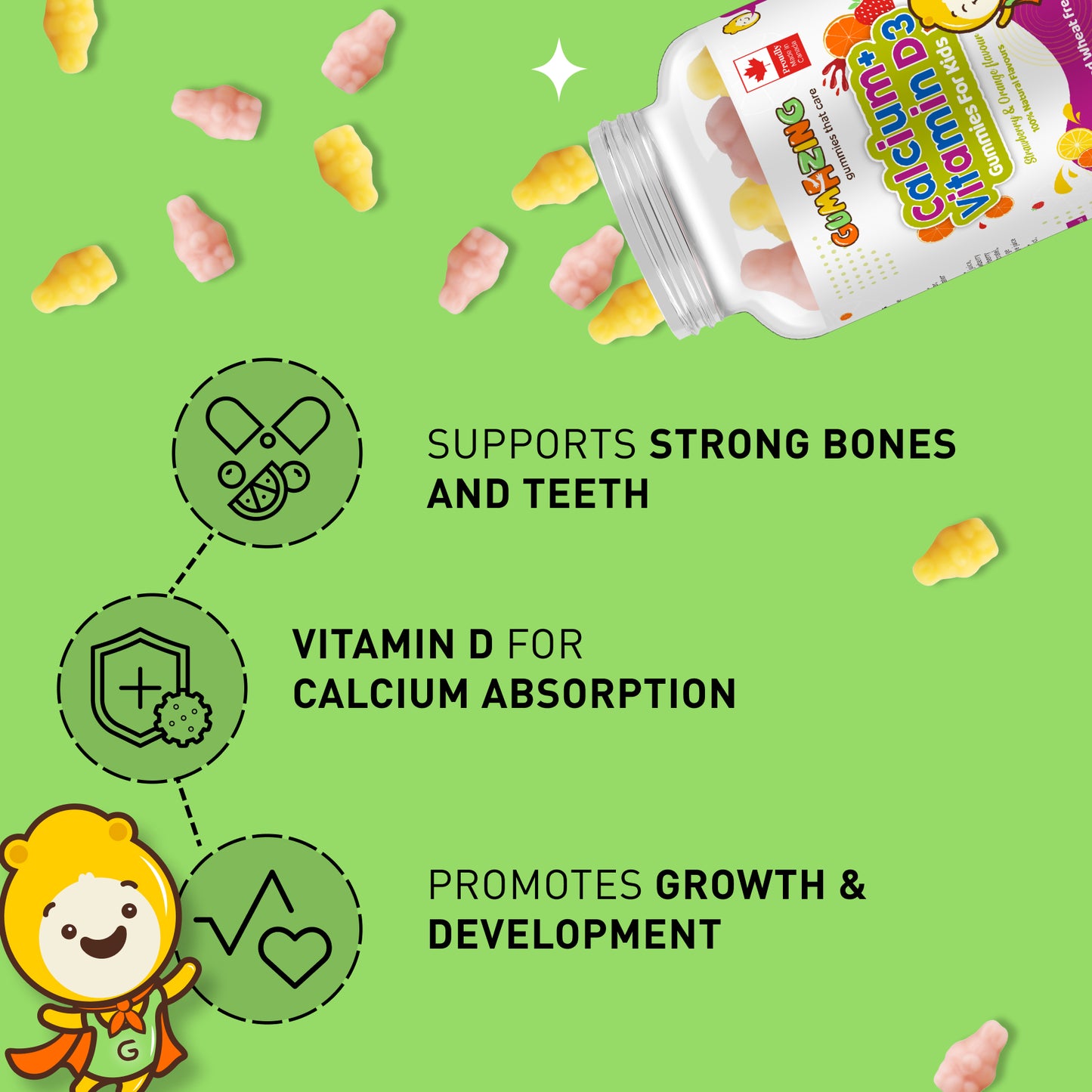
Many people fall short on key nutrients—studies show nearly 40% of adults lack adequate vitamin D, and kids often miss out on essentials like vitamin C or iron. By understanding the role of these vitamins, you can make informed choices to support your family’s health.
Vitamin D Supplements: The Sunshine Boost
Vitamin D, often called the “sunshine vitamin,” is essential for strong bones, immune health, and even mood regulation. It helps your body absorb calcium, reducing the risk of osteoporosis in adults and supporting bone growth in kids. However, limited sun exposure, especially in cloudy regions or during winter, can lead to deficiencies. Vitamin D supplements are a reliable solution, offering a consistent dose to keep you and your children healthy.
For adults, 1,000-2,000 IU daily is often recommended, while kids typically need 400-600 IU. Look for vitamin D3 (cholecalciferol), which is more effective, and take it with a meal containing healthy fats for better absorption. A simple blood test can confirm if you or your child needs a higher dose, so consult your doctor to get it right.
Vitamin C Supplements: Immunity and Beyond
Vitamin C is a powerhouse nutrient known for its immune-boosting and antioxidant properties. It helps protect cells from damage, supports collagen production for healthy skin, and aids in wound healing. For kids and adults, vitamin C supplements can reduce the severity of colds and keep energy levels high. Adults need about 75-90 mg daily, while kids require less, depending on their age.
Choose ascorbic acid or buffered forms to avoid stomach upset, and consider time-release options for steady absorption. Pair vitamin C supplements with a colorful diet of fruits and vegetables—like strawberries or bell peppers—to maximize benefits. For kids, gummies or powders can make supplementation fun, but check for minimal added sugars.
Vitamins for Kids: Supporting Growth and Resilience
Kids have unique nutritional needs as their bodies and brains develop rapidly. Vitamins for kids are formulated to support bone health, immunity, and cognitive function. Key nutrients include vitamin D for strong bones, vitamin C for immune support, and B vitamins for energy and brain development. Omega-3s and iron are also critical for focus and growth, especially for picky eaters or kids with dietary restrictions.
When choosing vitamins for kids, opt for age-appropriate formulas with safe dosages. Gummies are a hit with children, but tablets or chewables often have cleaner ingredients. Always store supplements out of reach and consult a pediatrician to tailor the choice to your child’s needs, especially if they follow a vegetarian diet or have limited sun exposure.
Incorporating Supplements into Your Routine
Making vitamins a part of your family’s routine is easier than you think. For adults, take vitamin D and C supplements with breakfast to start the day strong. Kids’ vitamins can be paired with meals or blended into smoothies for a fun twist. Consistency is key, so choose formats everyone enjoys—gummies, drops, or tablets—and stick to a schedule.
To maximize benefits, combine supplements with a balanced diet. Foods like fatty fish, leafy greens, and citrus fruits complement vitamin D and C supplements, while fortified cereals or lean meats support kids’ nutrient needs. Avoid megadoses, as excess vitamins can be harmful, especially for children.
Debunking Common Vitamin Myths
Some believe supplements are unnecessary if you eat well, but cooking and storage can degrade nutrients like vitamin C, and sunlight alone often isn’t enough for vitamin D. Another myth is that kids don’t need supplements if they’re healthy. Picky eating or dietary restrictions can create gaps that vitamins for kids can safely fill. By understanding these facts, you can use supplements strategically without relying on them as a sole solution.
Final Thoughts
Vitamin D supplements, vitamin c supplements, and vitamins for kids are powerful tools to support your family’s health. From stronger bones and immunity to better energy and growth, these nutrients address key needs for adults and children alike. Consult your doctor or pediatrician, choose high-quality supplements with third-party testing, and pair them with a nutrient-rich diet. Start today and give your family the foundation for a healthier, happier life.