Let’s be honest—getting kids to eat a perfectly balanced diet every day is more wishful thinking than reality.
Some days they’ll eat a whole plate of broccoli, other days they survive on crackers and apple juice. It’s part of growing up. But as parents, it’s natural to wonder: Are they getting what their bodies truly need to grow strong, stay healthy, and thrive?
That’s where the conversation around vitamins for kids, especially vitamin d supplements and vitamin C supplements, becomes incredibly important—not as a replacement for food, but as a complement to it.
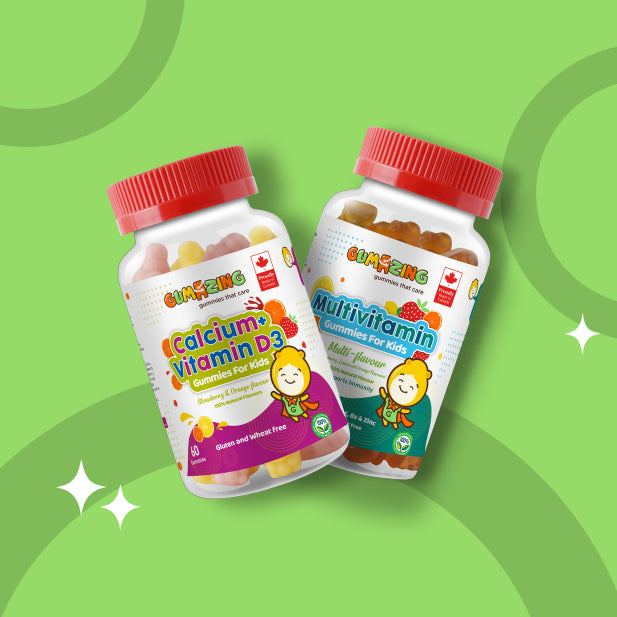
Let’s break it all down in a way that makes sense, without the fluff. Because when you understand what each of these vitamins does, it’s easier to build habits that really make a difference in your child’s life.
Vitamins for Kids: Why They’re More Than Just a Trend
Childhood is a time of massive growth. Bones are developing, brains are wiring, immune systems are learning to fight off germs. All of this requires nutrients—more than we sometimes realize.
But here’s the challenge:
Kids can be picky eaters. Food preferences change daily. And let’s be real—busy days don’t always leave room for picture-perfect meals.
That’s where vitamins for kids can step in to help fill the nutritional gaps.
These aren't meant to replace healthy eating, but they can:
- Ensure consistent intake of essential nutrients
- Support immune health, energy levels, and bone growth
- Reduce the risk of deficiencies during key developmental years
From chewables to gummies and drops, today’s vitamins are designed with kids in mind—both in taste and in how gently they support growing bodies.
Vitamin D Supplements: The Sunshine Support We All Need
Known as the “sunshine vitamin,” vitamin D plays a major role in helping the body absorb calcium—which means it directly supports strong bones and teeth.
But here’s the thing:
Kids don’t always get enough sunlight to produce the vitamin D they need, especially in colder months or when spending more time indoors (which, let’s face it, is common in today’s screen-filled world).
Vitamin D supplements are often recommended for:
- Children who live in colder climates
- Kids who wear sunscreen regularly (which blocks vitamin D production)
- Those with limited dairy intake
- Children with darker skin tones, who naturally produce less vitamin D from sunlight
Why it matters:
Low vitamin D levels can lead to soft bones (rickets), weakened immunity, and poor calcium absorption. Keeping levels steady supports healthy growth, muscle function, and even mood regulation.
A small daily supplement can have a huge long-term impact.
Vitamin C Supplements: Immunity’s Secret Weapon
We usually reach for vitamin C when a cold’s coming on—and it’s true, it’s great for boosting the immune system. But that’s not its only superpower.
For kids, vitamin C supplements support:
- Wound healing (because playground scrapes are a given)
- Collagen production, which is essential for healthy skin, joints, and tissues
- Iron absorption, which is especially helpful for kids who don’t eat much meat
- Cell protection, thanks to its antioxidant properties
Like vitamin D, our bodies don’t produce or store vitamin C. It has to come from food or supplements daily. While citrus fruits and bell peppers are great sources, some kids simply won’t eat them consistently. That’s where a small chewable or gummy supplement can quietly step in.
Creating a Vitamin Routine That Works for Real Families
If you’ve ever tried starting a vitamin routine and fallen off track—don’t worry, that’s normal.
The key to making it stick is keeping it simple:
- Pair vitamins with breakfast or brushing teeth
- Choose formats your child enjoys (gummies, chewables, drops)
- Talk about what each vitamin does in fun ways (“This one helps your bones!” or “This one keeps you from getting sick!”)
You’re not aiming for perfection—just consistency. And over time, these tiny moments become part of your child’s understanding of how to care for their own body.
Final Thought: Nourishment Is a Daily Act of Love
There’s so much pressure on parents to “get it all right.” But the truth is, health doesn’t come from one perfect meal or one amazing week. It’s built over time, in small, loving choices.
Choosing vitamin D supplements for bone strength, vitamin c supplements for immunity, or a daily multivitamin tailored for kids isn’t about fear or control. It’s about gently, thoughtfully supporting your child’s health—especially when life gets unpredictable (which, let’s face it, is most of the time).
So whether you’re starting a new routine or just curious about what your child might need, know this: you’re doing great. One gummy, chewable, or drop at a time.