Choosing a blood pressure measuring device becomes easier when you understand how different types of equipment operate. A manual BP machine and a digital monitor can differ in their measurement process, operating requirements, and suitability for particular users.
For people who have been advised to monitor blood pressure at home, the right choice depends on their needs, ability to operate the device, and healthcare professional's guidance. For clinics and other professional settings, operator training and the intended measurement procedure are also important.
This guide explains the practical differences between manual and digital blood pressure monitors and what to consider before choosing either type.
What Is a Manual BP Machine?
A manual blood pressure machine typically uses an inflatable cuff and a pressure-measuring device. Traditional auscultatory measurement also requires a stethoscope and the ability to identify the relevant Korotkoff sounds.
The operator inflates the cuff and gradually releases the pressure while listening for the sounds associated with systolic and diastolic blood pressure.
This method requires appropriate training and technique. Incorrect cuff placement, unsuitable deflation, difficulty identifying sounds, or other measurement errors can affect the result.
A manual device may be used in appropriate professional settings when operated by someone trained in the relevant technique.
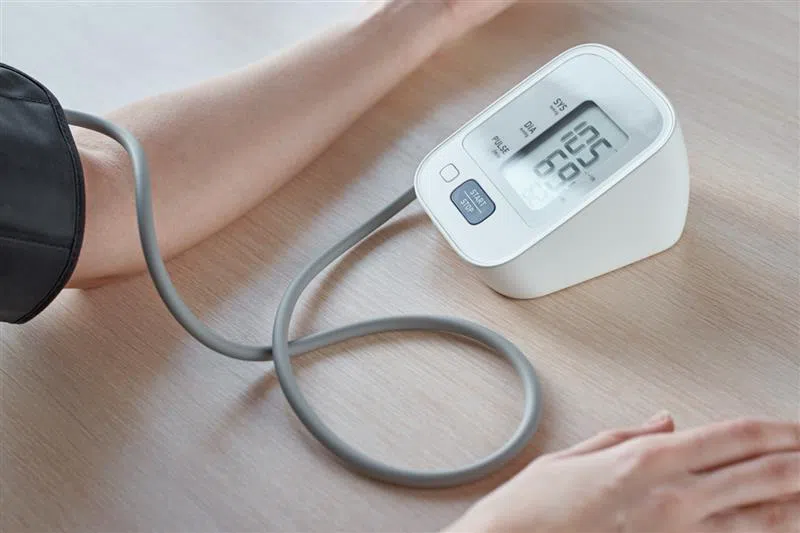
What Is a Digital BP Monitor?
A digital monitor uses an electronic system to measure blood pressure and display the result.
Many automatic models inflate and deflate the cuff electronically, reducing the need for the user to perform manual pressure control or listen for Korotkoff sounds.
People researching a digital BP machine often value the straightforward measurement process and easy-to-read display.
However, digital monitors still require correct preparation, cuff placement, positioning, and operation. Electronic measurement does not eliminate the possibility of errors.
Key Differences Between Manual and Digital Devices
The main differences relate to how measurements are obtained and the skills needed to operate the equipment.
Measurement process
Manual: The operator controls cuff pressure and, for conventional auscultatory measurement, identifies the relevant sounds using a stethoscope.
Digital: The device uses an electronic measurement system and displays the result.
Operator requirements
Manual: Requires appropriate technique and training.
Digital: Often simpler for routine home use, although users still need to follow the instructions correctly.
Result display
Manual: The operator determines and records the reading.
Digital: The result appears on the device's display after measurement.
Record-keeping
Manual: Readings are commonly recorded by the operator.
Digital: Depending on the model, readings may be stored in built-in memory or transferred to a compatible application.
These are general differences. Exact capabilities vary by device.
Which Type Is More Suitable for Home Use?
For many people monitoring blood pressure at home, an automatic digital monitor can be convenient because the measurement process is relatively straightforward.
A digital monitor may be especially practical when the intended user does not have training in manual blood pressure measurement.
However, the most suitable choice depends on the individual's circumstances. A healthcare professional may recommend a particular device or measurement approach.
When selecting a blood pressure monitor, consider the intended user, cuff requirements, ease of operation, display readability, and available validation information.
Do not choose a device solely because it is labelled manual or digital. Focus on suitability and correct use.
Accuracy Depends on More Than the Device Type
It is not appropriate to assume that every manual device is more accurate than every digital monitor, or that every digital monitor produces reliable readings automatically.
Measurement quality depends on several factors, including:
The particular device and its validation evidence
Appropriate cuff size
Correct positioning
Operator technique
The user's condition during measurement
Following the manufacturer's instructions
For digital equipment, check the validation information available for the exact model. For manual measurement, appropriate training and technique are essential.
If a healthcare professional has recommended a specific validated monitor, follow that guidance.
Why Cuff Size Matters for Both Types
The cuff is an essential component of blood pressure measurement.
An unsuitable cuff size or incorrect positioning can affect the measurement process, regardless of whether the device is manual or digital.
Before purchasing, check the manufacturer's specified arm-circumference range and confirm compatibility with the monitor.
If you need a replacement cuff, verify the exact model and approved accessory information. Do not assume that cuffs from different devices are interchangeable.
If you are unsure about the appropriate cuff size, ask a healthcare professional for guidance.
Consider Ease of Operation
Ease of use can influence whether someone follows a recommended monitoring routine consistently.
A digital monitor may provide straightforward controls and a clear display. Some models also offer memory features that help users review previous measurements.
A manual device may be suitable for a trained operator but can be more difficult for someone without the relevant skills.
When comparing equipment, ask:
Can the intended user operate it correctly?
Are the instructions understandable?
Is the result easy to read?
Does the device require specialist technique?
Are the included accessories appropriate?
Is technical support available?
These practical questions can help identify a suitable device.
What About Memory and Digital Records?
Some digital monitors store previous readings, which may help users keep track of measurements over time.
The available functions vary. One model may store a limited number of readings, while another may offer additional record-management features.
Manual devices generally require the operator to record measurements separately.
If your healthcare professional has asked you to maintain a record, a written log can be useful regardless of the device type. Record readings as instructed and share them with your healthcare professional when requested.
Do not assume that every digital monitor supports multiple users, Bluetooth, or smartphone applications.
Power Requirements and Maintenance
Digital monitors commonly require batteries or another manufacturer-specified power arrangement. Manual devices may have different operating and maintenance requirements depending on their construction.
Before purchasing, review the manufacturer's instructions for power, cleaning, storage, inspection, and servicing.
For manual equipment, the pressure-measuring system may require appropriate checks or maintenance. For digital equipment, follow the manufacturer's guidance on batteries, accessories, and troubleshooting.
Do not attempt unauthorised repairs or use equipment that appears damaged.
Compare Cost With Practical Requirements
Price should be considered alongside the device's intended use and operating requirements.
When comparing a BP monitor price, review the complete product package, including the monitor, cuff, accessories, memory features, power requirements, warranty, and support.
A manual device may be suitable for a trained operator who needs that measurement method. A digital monitor may be more convenient for many home users. Neither choice is automatically better in every situation.
The right purchase is the one that meets the user's needs and can be used appropriately.
Using Home Measurements Responsibly
A blood pressure monitor provides measurements, not a complete diagnosis.
If you have been advised to monitor blood pressure, follow the measurement schedule and instructions provided by your healthcare professional. Avoid interpreting one reading in isolation, and do not change prescribed medication based solely on a home reading unless instructed by your healthcare professional.
If readings repeatedly concern you, discuss your records with an appropriate healthcare professional. Severe symptoms such as chest pain, severe breathlessness, sudden weakness, confusion, or fainting require urgent medical attention rather than reliance on a home monitor.
Explore OMRON Blood Pressure Monitors
The OMRON Brand Shop blood pressure monitor category provides a place to review available products and their listed specifications.
Before selecting a model, check its intended use, cuff compatibility, operating instructions, measurement features, and available validation information.
Do not assume that every product has the same functions or is appropriate for every user.
Conclusion
Manual and digital blood pressure monitors differ mainly in their measurement process, operating requirements, and ease of use.
Manual measurement requires appropriate technique and training, while automatic digital monitors can be more convenient for routine home monitoring. However, neither device type should be judged solely by its label or price.
Consider the intended user, cuff compatibility, validation information, display, memory features, maintenance, and manufacturer instructions before purchasing. Use the device correctly and follow your healthcare professional's guidance when monitoring blood pressure.
Frequently Asked Questions
Is a digital BP monitor easier to use than a manual machine?
Digital monitors are often more convenient for routine home use because they perform the measurement electronically and display the result. Correct preparation and cuff placement are still necessary.
Is a manual BP machine more accurate?
Not automatically. Measurement quality depends on the device, technique, operator training, cuff fit, and other conditions.
Can I use a manual BP machine at home?
It may be appropriate for someone trained in the required measurement technique. Ask your healthcare professional which method is suitable for your circumstances.
Do digital BP monitors store previous readings?
Some models provide memory features. Check the specifications of the exact model to understand its record-keeping capabilities.
Where can I compare OMRON blood pressure monitors?
You can review available products through the OMRON Brand Shop blood pressure monitor category.
Contact Us
For product information and assistance, contact OMRON Brand Shop:
Website: OMRON Brand Shop
Contact Us: Contact OMRON
Email: callcentre@omron.com
Call Centre: 1800-419-0492