Choosing the best nebulizer machine for home use requires more than comparing prices or selecting the smallest device available. A nebulizer should match the intended user's needs, be practical to operate, and be maintained according to the manufacturer's instructions.
For people who have been advised to use nebulized medication, having equipment that is straightforward to handle can make the treatment routine more convenient. Understanding the different types of nebulizer devices, accessories, portability, and everyday care can help families make a more informed choice.
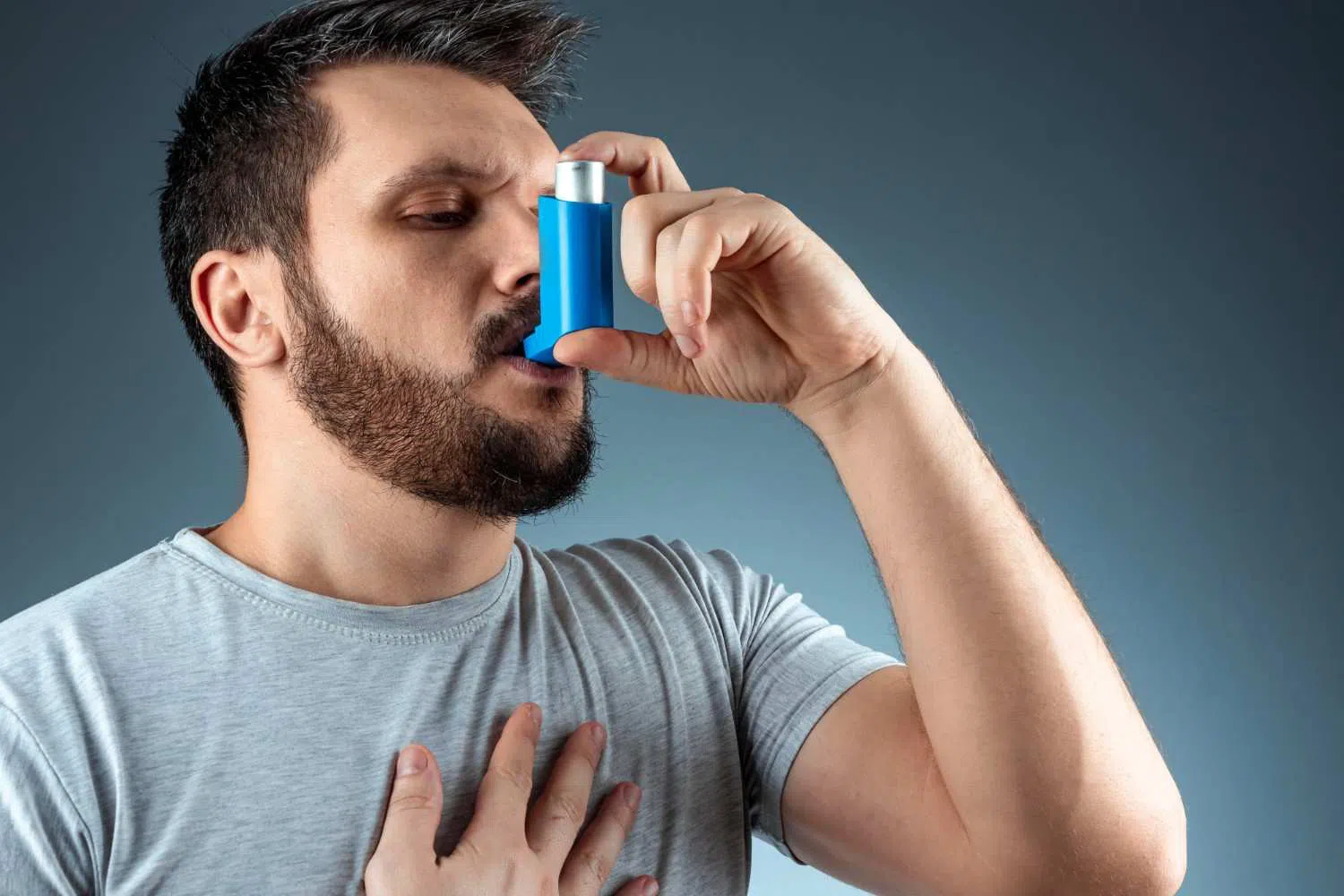
What Is a Nebulizer Machine?
A nebulizer machine is a device designed to convert liquid medication into a fine aerosol that can be inhaled through a mouthpiece or mask, depending on the equipment and prescribed treatment.
Nebulizers may be used in healthcare settings and at home for certain respiratory treatments. The medication placed in the device should be used only as directed by an appropriate healthcare professional.
A nebulizer is therefore not simply a general-purpose inhaler or humidifier. Its purpose and operation are specific to nebulized therapy.
Who May Need a Home Nebulizer?
A home nebulizer may be recommended for people who have been prescribed nebulized treatment.
The appropriate device can depend on factors such as:
The user's age
The prescribed treatment
Frequency of use
Ease of operation
Portability requirements
Mask or mouthpiece requirements
Cleaning and storage needs
The device itself does not determine which medication should be used. Medication selection and treatment instructions should come from an appropriate healthcare professional.
Compressor, Mesh and Other Designs
Different nebulizer technologies are available, and they are not identical.
A compressor nebulizer machine generally uses compressed air to create an aerosol from liquid medication. These devices can be suitable for home use when prescribed treatment requires nebulization.
A mesh nebulizer uses a different mechanism to produce the aerosol and may offer a more compact design depending on the model.
When comparing technologies, consider the manufacturer's specifications and whether the device is suitable for the treatment prescribed to the intended user.
Choosing a Nebulizer for Adults
Adults may prioritize different features depending on whether the device will remain at home or be carried between locations.
For someone who needs regular home treatment, straightforward operation and convenient cleaning may be more important than extreme portability.
If portability is important, a portable nebulizer for adults may be worth considering. However, portability should not be the only purchasing criterion.
Check the device specifications, power requirements, accessories, and cleaning instructions before making a decision.
Choosing a Nebulizer for Children
Parents often search for a nebulizer for baby or best nebulizer for kids when a child has been prescribed nebulized treatment.
For younger users, comfort and ease of administration can be particularly important.
A suitable mask should fit appropriately without causing unnecessary discomfort. Depending on the child's age and treatment instructions, a healthcare professional may advise whether a mask or mouthpiece is appropriate.
Do not select a nebulizer solely because it is marketed for children. Check whether the equipment is appropriate for the child's prescribed treatment and follow the manufacturer's instructions.
Understanding Nebulizer Masks
The mask is an important part of many nebulizer setups.
An adult nebulizer mask is designed for adult users, while an infant nebulizer mask is intended for smaller users.
The mask should be suitable for the intended person and used according to the manufacturer's instructions.
A poorly fitting mask can make treatment uncomfortable and may interfere with effective delivery of the aerosol. If you are unsure which accessory is appropriate, consult the manufacturer or an appropriate healthcare professional.
Portability and Power Options
If the nebulizer will remain in one location, portability may not be a major priority.
For people who travel frequently or need to move the device between locations, a portable design may be more convenient.
Before choosing a mini nebulizer machine, consider:
Power source
Battery requirements
Charging method
Medication compatibility
Cleaning requirements
Accessories
Manufacturer instructions
A smaller device is not automatically better. It needs to meet the user's treatment requirements as well.
Why Maintenance Matters
Nebulizer components come into contact with medication and inhaled air, so appropriate cleaning is an important part of routine care.
After use, follow the manufacturer's cleaning instructions for the medication cup, mask or mouthpiece, and other removable components.
Do not assume that every part can be cleaned or disinfected in the same way. Some components may have specific handling requirements.
Regular maintenance can also help keep the equipment ready for its next use.
Store the Nebulizer Properly
After cleaning and drying the appropriate components, store the equipment in a clean and suitable location.
Keep the nebulizer away from unnecessary moisture, dust, heat, and accidental damage. Store accessories together so that the equipment is ready when needed.
If the device is portable, use suitable storage protection when transporting it.
What Should You Check Before Buying?
When comparing the nebulizer machine price, avoid focusing only on the cost.
Consider the complete ownership experience:
Ease of Operation
The person using or assisting with the treatment should be able to understand the basic operating procedure.
Mask or Mouthpiece
Check whether appropriate accessories are included or available separately.
Cleaning
Review how the removable components should be cleaned and maintained.
Portability
If the equipment needs to travel, consider its size, weight, and power options.
Manufacturer Support
Clear instructions and accessible product information can be valuable for regular home use.
Intended Treatment
Most importantly, confirm that the device is appropriate for the nebulized treatment prescribed by the healthcare professional.
Avoid Using a Nebulizer as a General Humidifier
A nebulizer and humidifier serve different purposes.
A nebulizer is designed to deliver medication in aerosol form for inhalation. A humidifier is intended to add moisture to the surrounding air.
Therefore, a nebulizer should not be treated as a general-purpose humidifier or filled with substances that have not been approved for use with the device.
Use only the medication or solution specifically intended for the nebulizer and prescribed or recommended by an appropriate healthcare professional.
What If the Nebulizer Is Not Working Normally?
If the device produces an unusual amount of aerosol, stops functioning correctly, or appears damaged, stop and check the manufacturer's troubleshooting instructions.
Inspect the relevant components and make sure they have been assembled correctly.
Do not modify the equipment or attempt repairs that are not authorized by the manufacturer.
If the device continues to malfunction, contact the manufacturer or an appropriate service provider for guidance.
When Medical Advice Is Necessary
A nebulizer is a delivery device, not a substitute for medical assessment.
If respiratory symptoms become severe, worsen unexpectedly, or are accompanied by other concerning symptoms, seek appropriate medical attention.
Do not increase medication frequency or change the prescribed treatment simply because symptoms appear different.
Conclusion
Finding the best nebulizer machine involves matching the equipment to the user's actual treatment requirements. Compressor and mesh technologies have different characteristics, while mask selection, portability, power options, cleaning, and ease of operation can all affect everyday usability.
For people who have been advised to use nebulized treatment at home, the safest approach is to follow the prescribed treatment plan and the manufacturer's equipment instructions.
To explore OMRON nebulizer products and available options, visit the official nebulizer collection.
Frequently Asked Questions
1. What should I consider when choosing the best nebulizer machine?
Consider the intended treatment, user age, device technology, ease of operation, mask or mouthpiece, portability, power requirements, and cleaning instructions.
2. Is a compressor nebulizer machine suitable for home use?
Compressor nebulizers can be used at home when appropriate for the prescribed treatment. Follow the manufacturer's instructions and professional guidance.
3. Can babies use a nebulizer?
A nebulizer may be prescribed for an infant in appropriate circumstances. Parents should follow the healthcare professional's instructions regarding the device, medication, and mask.
4. What is the difference between a mesh nebulizer and a compressor nebulizer?
They use different technologies to create the aerosol. The appropriate choice depends on the prescribed treatment, device specifications, and user's requirements.
5. Can I put any liquid into a nebulizer?
No. Use only medication or solution specifically intended and prescribed or recommended for nebulization.
Contact OMRON
For information about OMRON healthcare products, explore the official OMRON Brand Shop.
Contact OMRON: Contact OMRON
Call Centre: 1800-419-0492
Email: callcentre@omron.com