An electronic weighing scale can make routine body-weight tracking convenient at home. Unlike traditional mechanical scales, electronic models display measurements digitally, making the result easier to read for many users.
However, choosing an electronic scale should involve more than checking the price or appearance of the product. Capacity, display, platform design, measurement consistency, power requirements, and everyday usability can all influence whether a device suits the intended user.
If you are considering an electronic weighing scale, reviewing the manufacturer's specifications before purchasing can help you make a more informed decision.
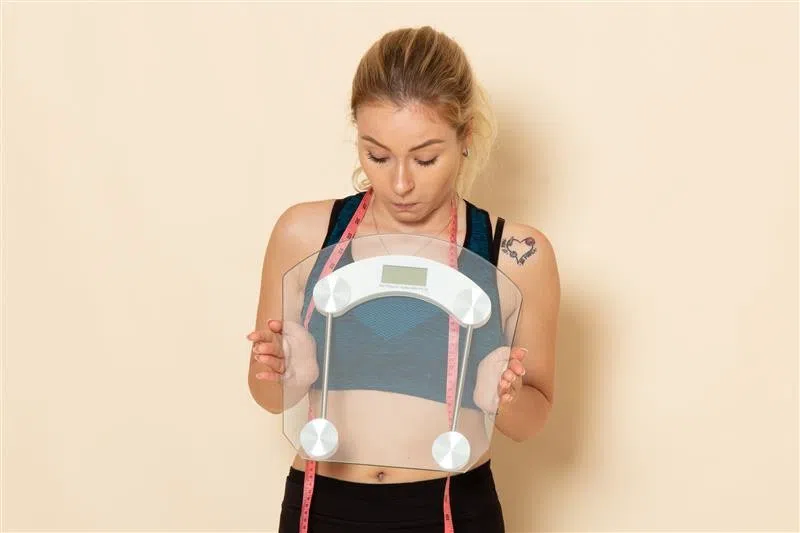
What Is an Electronic Weighing Scale?
An electronic weighing scale uses an electronic measurement system to determine body weight and display the result digitally.
These devices can be suitable for routine home weight tracking when used according to the manufacturer's instructions.
Body weight can naturally change during the day because of factors such as food, fluids, clothing, and activity. Therefore, consistent measurement conditions can be useful when the purpose is to observe changes over time.
The scale should be treated as a measurement tool rather than a complete assessment of an individual's health.
Check the Weight Capacity
Maximum supported weight is one of the first specifications to review.
When choosing an weighing scale for body weight, confirm that the user's expected weight falls within the manufacturer's stated operating range.
Do not assume that all electronic scales have the same capacity.
Using a scale within its specified range is an important part of appropriate operation.
Before buying, check:
Maximum supported weight
Minimum supported weight, where specified
Measurement increments
Recommended operating conditions
These specifications can help determine whether the scale is suitable for the intended user.
Consider Display Readability
One practical advantage of a digital device is that the measurement is presented electronically.
A clear display can make everyday use easier.
When comparing an electronic weighing scale, check:
Display size
Number readability
Measurement units
Screen placement
Visibility from a normal standing position
A product with many additional functions may still be inconvenient if the primary weight reading is difficult to see.
For older adults or users with vision difficulties, display readability may be particularly important.
Think About the Platform Design
The platform is another practical consideration.
A scale should provide an appropriate standing surface and be used according to the manufacturer's instructions.
Before purchasing, consider:
Platform dimensions
Surface design
Stability
Device weight
Storage requirements
The scale should fit comfortably into the intended location.
A device designed for regular home use should also be practical to store and operate.
Why Measurement Consistency Matters
People often search for the most accurate weighing equipment, but consistency is also important for routine tracking.
Measurements can vary because of:
Scale placement
Floor surface
Time of measurement
Clothing
Food and fluid intake
Body position
For tracking purposes, users can follow the manufacturer's instructions and try to measure under reasonably similar conditions.
For example, repeatedly moving a scale between different surfaces may make comparisons less useful.
Choose a Suitable Location
Where the scale is placed can affect everyday measurement practice.
Follow the manufacturer's recommendations regarding the appropriate surface.
A stable, suitable floor can help create a consistent measurement setup.
Avoid assuming that carpets, uneven surfaces, or unstable locations will provide the same conditions as a recommended hard surface.
Once a suitable location has been selected, keeping the scale in that location can make routine measurements simpler.
Check the Power Requirements
Electronic scales require a power source.
Depending on the model, this may involve replaceable batteries or another specified power arrangement.
Before purchasing, check:
Battery type
Number of batteries required
Battery replacement procedure
Power-saving features, where provided
Manufacturer recommendations
Do not assume that every electronic weighing scale uses the same battery type or operating arrangement.
The exact product documentation should be used as the reference.
Consider Automatic Features
Some electronic scales may include automatic functions designed to make everyday operation easier.
Depending on the model, this can include automatic activation or automatic shut-off.
These features can be convenient because they reduce the number of steps required during routine use.
However, users should still review the product specifications to understand exactly how each function operates.
Additional features should support usability rather than become the main reason for purchasing the product.
What About Additional Measurements?
Some electronic weighing products may provide information beyond body weight.
For example, a body composition monitor may provide additional measurements depending on the model.
If you are considering such a product, review exactly what measurements are available and how they are obtained.
Do not assume that every body-composition device provides identical information.
Additional measurements should also be interpreted according to the manufacturer's information rather than treated as a medical diagnosis.
Check Memory and User Features
If multiple people use the same scale, memory or user-related features may be useful depending on the model.
Before purchasing, check whether the device supports:
Multiple user profiles
Previous readings
Automatic user recognition
Data storage
Connected data features
Not every electronic weighing scale includes these functions.
If data tracking is important, confirm the exact capabilities of the selected model before purchasing.
Consider Portability
Some households may need to move or store the scale regularly.
If portability matters, check the product's:
Weight
Dimensions
Construction
Storage requirements
Power arrangement
A lighter scale may be easier to move, but portability should not come at the expense of the specifications needed for everyday use.
The best design depends on where and how frequently the device will be used.
Electronic vs Mechanical Scales
Electronic and mechanical weighing scales use different methods to display weight.
An electronic scale provides a digital display, while a mechanical scale uses a physical indicator.
For many home users, digital readability and straightforward operation can make an electronic scale convenient.
However, the choice should depend on personal requirements, available features, operating instructions, and the intended environment.
The presence of a digital display alone does not determine whether a particular product is suitable.
Buying an Electronic Weighing Scale Online
When purchasing online, avoid relying only on product photographs or short marketing descriptions.
Review the complete specifications before making a decision.
Check:
Maximum capacity
Display
Measurement units
Platform
Power source
Additional functions
Memory features
Manufacturer support
Warranty information
If important technical information is unavailable, consider contacting the manufacturer or authorised seller before purchasing.
How to Maintain an Electronic Weighing Scale
Following basic care instructions can help keep the device suitable for regular use.
Users should:
Follow the manufacturer's cleaning instructions
Keep the scale away from unnecessary moisture
Store it according to the product instructions
Avoid dropping or roughly handling the device
Replace batteries as recommended
Check the device if unexpected readings repeatedly occur
Do not open or modify electronic equipment unless the manufacturer specifically provides appropriate instructions.
Conclusion
An electronic weighing scale can be a practical option for routine body-weight monitoring at home.
Before purchasing, look beyond the price and review the maximum capacity, display readability, platform design, measurement consistency, power requirements, additional features, and manufacturer support.
If you need only basic weight tracking, a straightforward model may be sufficient. If you want additional measurements or data features, check the exact capabilities of the selected device.
Use the scale according to the manufacturer's instructions and focus on consistent measurements over time rather than reacting to a single result.
Frequently Asked Questions
What should I check before buying an electronic weighing scale?
Check maximum capacity, display readability, platform design, measurement units, power requirements, additional features, and manufacturer information.
Are electronic weighing scales suitable for home use?
Electronic scales can be suitable for routine home weight tracking when used according to the manufacturer's instructions and within the specified operating range.
Does the floor surface matter?
It can. Follow the manufacturer's recommended placement instructions and use the scale on a suitable, stable surface.
Should I choose a scale with body-composition features?
That depends on your requirements. Review the exact measurements provided and their limitations before choosing additional features.
How can I get more consistent weight measurements?
Use the scale according to the manufacturer's instructions and, where practical, measure under reasonably similar conditions each time.
Contact OMRON
Website: OMRON Brand Shop
Contact Us: Contact OMRON
Email: callcentre@omron.com
Call Centre: 1800-419-0492