Interest in home health monitoring has increased the availability of personal medical equipment for people who want to keep track of different health measurements. ECG equipment can also be considered for home environments in situations where cardiac monitoring has been recommended or where a healthcare professional has advised a suitable device.
However, using ECG equipment at home is different from operating it in a clinical setting. Users need to understand what the equipment records, how it should be used, how results are handled, and when professional medical advice is required.
When considering an ecg machine for home, the most important step is to match the equipment with its intended use rather than selecting a device based only on online rankings or price.
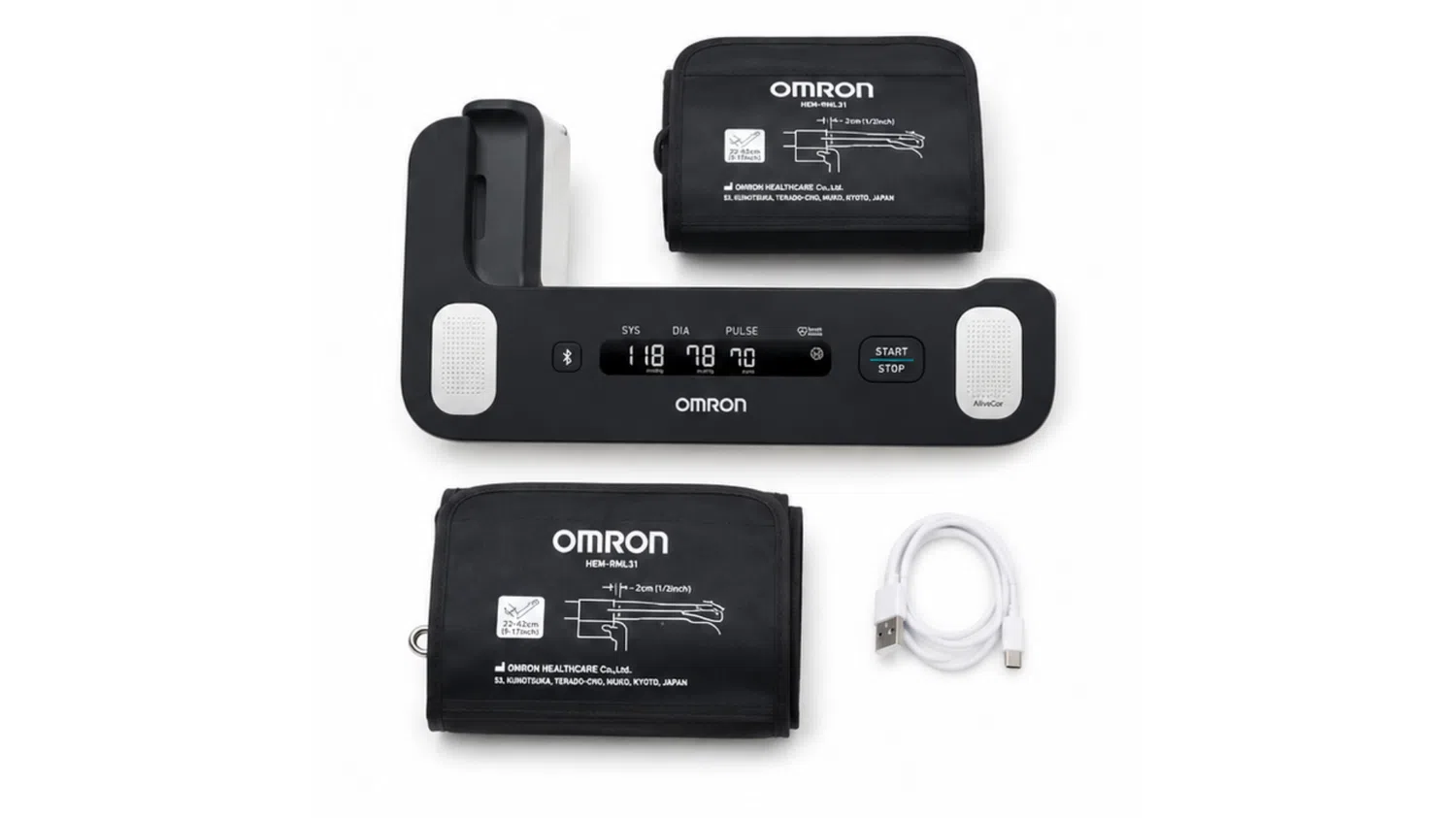
What Does an ECG Machine Record?
An ECG machine records electrical signals associated with the heart through electrodes placed on the body.
The resulting recording can provide information that appropriately trained healthcare professionals can review as part of a clinical assessment.
The equipment itself should not be treated as an independent diagnosis.
This distinction is particularly important in a home environment, where users may be tempted to interpret a recording without sufficient clinical knowledge.
If ECG monitoring has been recommended by a healthcare professional, users should follow the monitoring instructions provided to them.
Why Would Someone Consider Home ECG Equipment?
Home ECG equipment may be considered in situations where a healthcare professional has recommended monitoring outside a clinical facility.
Potential practical reasons can include:
Following a professional monitoring plan
Recording information between healthcare appointments
Supporting a prescribed monitoring routine
Making recordings in a familiar environment
Reducing the need for repeated equipment setup in some circumstances
The appropriate use depends on the individual situation and the equipment's intended purpose.
Online information should not be used to decide whether a person needs ECG monitoring.
Choosing the Appropriate Equipment
A home user should first understand what type of recording is actually required.
When comparing an ecg machine, review the manufacturer's information about:
Intended use
Recording configuration
Patient connection
Display
Power source
Storage
Accessories
Operating instructions
Different ECG systems can have significantly different features.
A device designed for professional clinical workflows may not be appropriate for a home user, while a compact system may have different capabilities from a full clinical ECG setup.
Consider the Recording Configuration
ECG equipment can differ in the number and arrangement of leads or channels supported.
If a healthcare professional has specified a particular recording method, the selected equipment should support that requirement.
For example, a 12 lead ecg machine is designed around a specific multi-lead recording configuration.
Users should not select a particular configuration simply because it appears frequently in online searches.
The required configuration should come from the intended use and professional guidance where applicable.
Ease of Operation Matters at Home
A home device may be operated by someone without the same level of technical experience as trained clinical staff.
For that reason, practical usability can be important.
Before purchasing, consider:
Control layout
Display readability
Setup procedure
Patient cable connection
Electrode placement instructions
Recording process
Storage procedure
Cleaning requirements
Users should read the manufacturer's instructions before operating the equipment.
If the setup is unclear, contacting the manufacturer or an appropriate healthcare professional can help clarify the correct procedure.
Check the Accessories
An ECG system may require several components to complete a recording.
Depending on the model, these can include:
Patient cables
Electrodes
Power accessories
Batteries
ECG paper
Storage accessories
Model-specific components
Before purchasing, confirm which items are included.
Replacement accessories should also be checked for compatibility with the exact equipment model.
Do not assume that accessories from another ECG system will work simply because they appear physically similar.
Power Requirements for Home Use
Power arrangements can influence whether equipment is practical for home use.
Depending on the model, an ECG system may operate using mains power, batteries, rechargeable batteries, or a combination.
Before purchasing, check:
Power source
Charging requirements
Battery type
Battery replacement instructions
Adapter requirements
Storage requirements
If the equipment needs to be moved around the home, portability and power arrangements may become more important.
Storage and Data Management
Some ECG equipment may provide storage or electronic data-handling features.
If a user needs to retain recordings for discussion with a healthcare professional, it is important to understand how the device stores and retrieves information.
Check the manufacturer's specifications for:
Internal storage
Recording capacity
Data transfer
Report output
Connectivity
Compatible systems
Do not assume that all digital ECG devices offer the same storage or transfer options.
If recordings contain personal health information, users should also take appropriate care when storing or sharing them.
Keep a Consistent Recording Routine
If a healthcare professional has recommended home ECG monitoring, following a consistent routine can make the resulting records easier to review.
The exact procedure should come from professional guidance and the manufacturer's instructions.
Users should understand:
When a recording should be taken
How the equipment should be prepared
Where electrodes should be placed
How the recording should be completed
How the result should be stored
When the information should be shared with a healthcare professional
Do not change a prescribed monitoring schedule based solely on general online advice.
Don't Attempt to Diagnose Yourself
An ECG recording can contain technical information that requires appropriate clinical interpretation.
A person may see a change on a recording and assume that it represents a particular condition. That conclusion should not be made without qualified professional assessment.
A home ECG device should therefore be viewed as a monitoring tool rather than a replacement for medical evaluation.
If a healthcare professional has asked you to provide recordings, follow their instructions for how and when to share the information.
What If the Recording Looks Unusual?
If a recording appears different from previous recordings, users should not automatically assume that it indicates a specific medical condition.
First, consider whether the equipment was used according to the manufacturer's instructions.
Potential technical factors may include:
Electrode placement
Cable connection
Movement during recording
Equipment setup
Accessory condition
If the result remains concerning or unusual, discuss it with an appropriate healthcare professional.
If a person experiences serious or urgent symptoms, they should seek appropriate medical attention rather than relying on a home ECG device.
Cleaning and Equipment Care
Home ECG equipment should be maintained according to the manufacturer's instructions.
Depending on the model, users may need to clean or inspect:
Main equipment surfaces
Patient cables
Electrodes
Accessories
Carrying or storage components
Do not use cleaning products or methods that have not been approved for the specific equipment.
If a cable or component appears damaged, follow the manufacturer's replacement guidance.
Unauthorised repairs or modifications should be avoided.
Compare ECG Machine Cost Carefully
When searching for ecg machine cost, users may find products with very different specifications.
The initial price should not be the only comparison point.
Consider:
Recording configuration
Accessories
Power requirements
Data storage
Connectivity
Maintenance
Warranty
Service support
A device with a lower purchase price may have different requirements from another product.
Understanding the complete product specification can make comparison more meaningful.
Professional Guidance Still Matters
Home monitoring should complement professional healthcare rather than replace it.
Healthcare professionals can determine whether ECG monitoring is appropriate and explain how the information should be used.
Users should follow professional instructions regarding:
Monitoring frequency
Recording procedure
Result sharing
Follow-up
Further evaluation
Do not start, stop, or modify medical treatment based solely on information from a home ECG device.
When a Home ECG Setup May Not Be Appropriate
Not every person or situation is suitable for home ECG equipment.
Professional assessment may be necessary when:
The person is unsure how to operate the equipment
A recording repeatedly appears abnormal
Equipment problems interfere with recording
Symptoms are concerning
The monitoring requirement is unclear
The person needs clinical interpretation
A home device should never delay appropriate medical care.
What to Check Before Buying
A simple checklist can help users compare products.
Before purchasing, confirm:
Intended use
Recording configuration
Manufacturer instructions
Accessories
Power source
Display and controls
Data storage
Connectivity
Cleaning requirements
Warranty and support
This provides a more practical basis for selection than relying on generic “best” lists.
Conclusion
Choosing an ECG machine for home use requires careful consideration of intended use, recording configuration, ease of operation, accessories, power requirements, storage, and manufacturer support.
Home ECG equipment can support an appropriate monitoring routine when it is used according to professional and manufacturer guidance.
The equipment should not be treated as a substitute for clinical assessment or professional interpretation.
Before purchasing, review the complete specifications and make sure the device fits the intended monitoring requirements.
Frequently Asked Questions
Can an ECG machine be used at home?
Some ECG equipment may be suitable for home use depending on its intended purpose and the manufacturer's specifications. Professional guidance should be followed where applicable.
Is a 12-lead ECG suitable for home use?
A 12-lead system may be used in particular circumstances, but whether it is appropriate depends on the intended monitoring requirement and professional guidance.
Can I interpret my ECG result myself?
ECG interpretation requires appropriate clinical knowledge. A home user should not rely on self-interpretation for diagnosis.
What should I do if an ECG recording looks unusual?
Check that the equipment was used according to the manufacturer's instructions and discuss repeated or concerning findings with an appropriate healthcare professional. Urgent symptoms require appropriate medical attention.
What should I compare when buying home ECG equipment?
Compare intended use, recording configuration, accessories, power requirements, storage, connectivity, ease of operation, warranty, and support.
Contact OMRON
Website: OMRON Brand Shop
Contact Us: Contact OMRON
Email: callcentre@omron.com
Call Centre: 1800-419-0492