Healthcare facilities increasingly rely on digital systems to manage patient information, clinical records, and diagnostic workflows. When introducing ECG equipment into this environment, compatibility with existing systems can be an important consideration.
An ECG machine may support different recording, storage, and data-output functions depending on its model. However, not every device can connect directly to every hospital information system or electronic medical record platform.
Understanding the integration requirements before purchasing equipment can help healthcare facilities avoid unnecessary workflow disruption and technical complications.
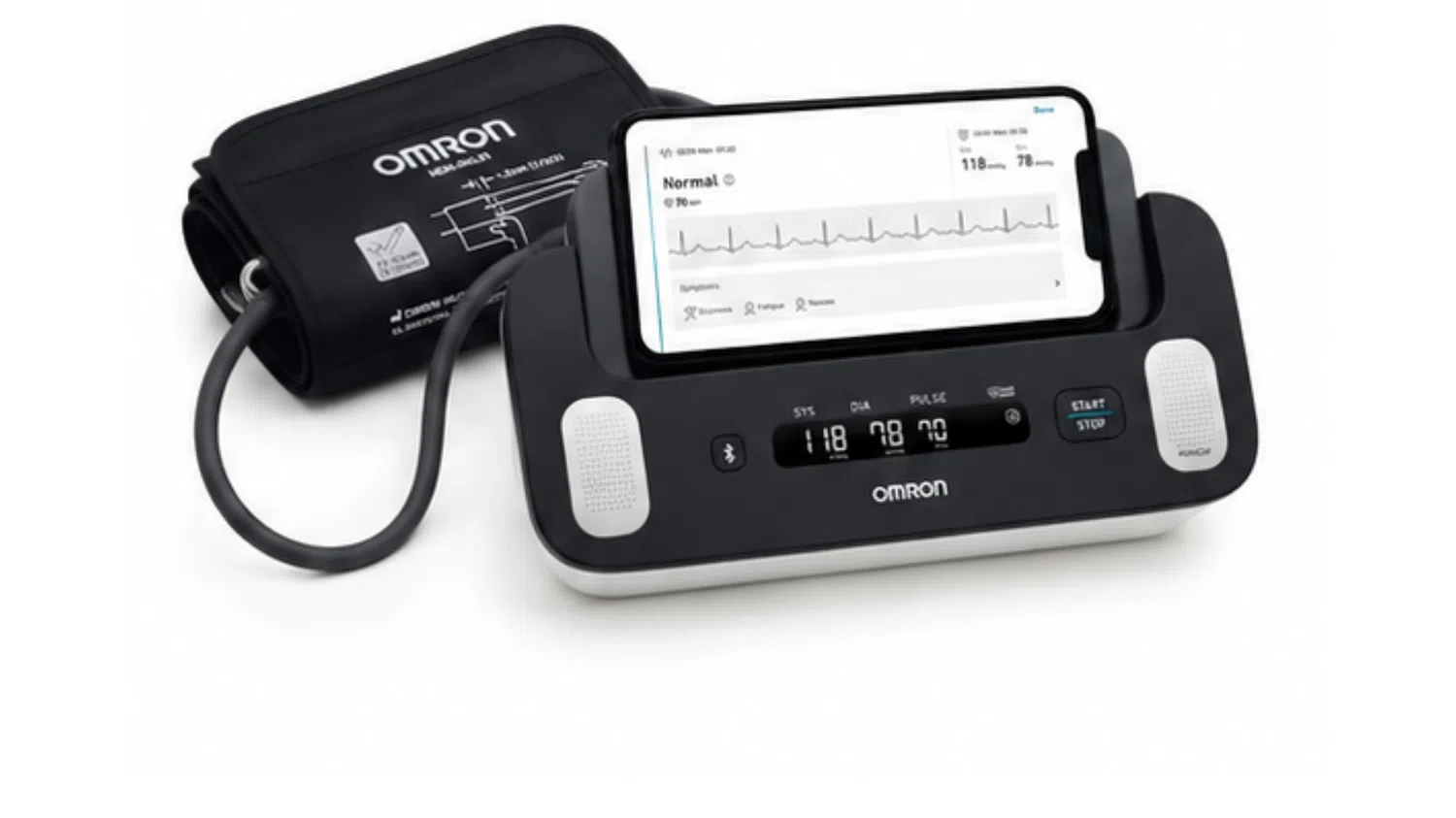
Why ECG Integration Matters
ECG integration refers to how recordings and associated information move between ECG equipment and other approved clinical information systems.
Depending on the healthcare setting, an ECG may need to be recorded, reviewed, stored, retrieved, and made available to authorised professionals through an established workflow.
A suitable integration process can help facilities:
Reduce unnecessary manual data entry
Organise ECG records
Support authorised access to reports
Improve information retrieval
Maintain a consistent clinical workflow
Reduce avoidable administrative duplication
The benefits depend on the capabilities of the equipment and the systems with which it is integrated.
Start With the Existing Hospital Infrastructure
Before selecting an ECG machine, healthcare facilities should understand their current digital environment.
This may include an electronic medical record (EMR) system, a hospital information system (HIS), a diagnostic information platform, or another approved clinical record solution.
The IT and clinical teams should identify how ECG information is currently recorded and where it needs to be available after the examination.
Important questions include:
Which system stores patient records?
How are ECG reports currently accessed?
Is digital transfer required?
Who needs authorised access to the recordings?
Are there specific data formats or interface requirements?
Who will provide technical support?
Defining these requirements first can help determine which equipment options are suitable.
Check the ECG Machine's Data Capabilities
Different ECG machines offer different data-handling functions.
Depending on the model, capabilities may include digital storage, removable-media export, printing, wired connectivity, or other manufacturer-supported interfaces.
When reviewing an ECG recording machine, check the technical documentation for the exact data formats, interfaces, and supported connection methods.
Do not assume that a device supports a particular interface simply because it has a digital display or stores recordings internally.
Healthcare facilities should verify the required functionality with the manufacturer or authorised technical support before purchasing.
Understand EMR and HIS Compatibility
An EMR or HIS may manage patient demographics, appointments, clinical notes, and diagnostic records.
Connecting ECG equipment to these systems can involve more than establishing a physical network connection. The equipment and software must support a compatible method of exchanging information.
Before implementing an ECG diagnostic machine within an existing digital environment, the facility should confirm:
Supported communication interfaces
Compatible data formats
Patient identification requirements
Report-import capabilities
Required software or licences
Network and security requirements
Vendor responsibilities
Compatibility should be confirmed for the specific combination of equipment and software rather than assumed from general product descriptions.
Consider Data Standards and Interoperability
Healthcare information systems may use defined data formats and communication standards to exchange clinical information.
Depending on the systems involved, technical teams may need to evaluate whether the ECG equipment and receiving platform support compatible standards or approved integration methods.
For example, a healthcare organisation may have requirements concerning structured data, report files, patient identifiers, or diagnostic information exchange.
The exact requirements depend on the organisation's existing infrastructure and the capabilities of the products being considered.
A technical evaluation should establish whether the required information can be transferred, stored, retrieved, and displayed correctly.
Protect Patient Data During Integration
ECG recordings can contain personal health information. Integrating devices into a digital environment therefore requires appropriate information-security measures.
Healthcare organisations should follow applicable privacy and data-protection requirements, along with their internal security policies.
Depending on the system, relevant considerations may include:
Authorised user access
Secure communication methods
Network permissions
Account management
Data storage arrangements
Audit logging, where supported
Software updates
Incident reporting procedures
The appropriate controls depend on the equipment, network, software, and applicable organisational requirements.
Integration should not create unnecessary access to patient information or bypass established security procedures.
Plan the Clinical Workflow Before Installation
Technology integration is most useful when it supports the actual work performed by clinical staff.
Before installation, map the intended process from patient identification to ECG recording, report review, storage, and retrieval.
Consider who will enter patient details, how the recording will be associated with the correct patient, where the report will be stored, and who is responsible for clinical review.
A clear workflow can help identify practical issues before the equipment is introduced into routine use.
Test the Integration Before Go-Live
Before an integrated system is used for routine clinical work, the facility should arrange appropriate technical and operational testing.
Testing should follow the manufacturer's instructions, the integration plan, and the organisation's approval procedures.
Depending on the system, checks may include:
Correct transfer of test records
Accurate patient identification
Appropriate report display
Successful storage and retrieval
Handling of incomplete transfers
User permissions
Error reporting
Recovery procedures
Testing should use approved test data and methods that protect real patient information.
Any unresolved issues should be addressed before the system is approved for routine use.
Train Clinical and IT Teams
Successful integration depends on both technology and people.
Clinical staff need to understand the operating process and how to access the information required for their responsibilities. IT staff need to understand the approved configuration, system dependencies, and support arrangements.
Training should explain:
How the ECG device is prepared and operated
How patient information is entered or received
How recordings are transferred
Where reports can be retrieved
What to do when a transfer fails
How to report technical problems
Which actions require authorised support
Staff should follow their organisation's procedures rather than improvising workarounds that could compromise data quality or security.
Plan for Maintenance and Software Changes
Integration is not a one-time task.
Software updates, changes to hospital systems, network modifications, or equipment servicing can affect the existing configuration.
Healthcare facilities should establish responsibilities for change management, testing, technical support, and documentation.
Before a significant change is introduced, confirm whether it affects the ECG equipment's compatibility or data-handling process.
The manufacturer and relevant IT teams should be involved when technical assessment is required.
Why Review OMRON Brand Shop?
The OMRON Brand Shop ECG machines category provides a place to review available product information.
Healthcare facilities considering digital integration should examine the specifications of the exact model and confirm its supported data functions with the appropriate technical team.
Do not assume that every model offers the same connectivity or integration capabilities.
Conclusion
Integrating ECG equipment with hospital systems requires planning across clinical workflow, technical compatibility, data security, staff training, and ongoing support.
Before purchasing, healthcare facilities should define their data-exchange requirements, verify the exact device's interfaces and supported formats, and confirm compatibility with their existing systems.
Appropriate testing and training should take place before routine deployment. Integration decisions should also follow the organisation's technical, clinical, privacy, and procurement procedures.
A well-planned integration can support a more organised ECG workflow, provided that the equipment and connected systems are compatible and used according to their specifications.
Frequently Asked Questions
Can every ECG machine connect to a hospital information system?
No. Connectivity and integration capabilities vary by model. Compatibility should be confirmed with the manufacturer and the hospital's technical team.
What should be checked before integrating an ECG machine with an EMR?
Check supported interfaces, data formats, patient identification, report-import capabilities, security requirements, software dependencies, and vendor support.
Is a digital ECG machine automatically compatible with hospital software?
No. Digital recording does not guarantee compatibility with a particular EMR, HIS, or other clinical platform.
Why is integration testing important?
Testing helps verify that information transfers, patient identifiers, report storage, retrieval, and user access work as intended before routine deployment.
Who should manage ECG system integration?
The project should involve the healthcare facility's clinical, IT, procurement, and technical stakeholders, with manufacturer or authorised vendor support where required.
Where can I review OMRON ECG machines?
You can explore available products through the OMRON Brand Shop ECG machines category.
Contact Us
For product information and assistance, contact OMRON Brand Shop.
Website: OMRON Brand Shop
Contact Us: Contact OMRON
Email: callcentre@omron.com
Call Centre: 1800-419-0492