A blood pressure testing machine can be useful for people who have been advised to monitor their blood pressure regularly. Home monitoring can provide a record of readings that may be discussed with a healthcare professional, but choosing suitable equipment requires more than comparing prices.
The intended user, cuff compatibility, measurement method, display, power requirements, memory functions, portability, and manufacturer support can all influence whether a device is practical for everyday use.
A thoughtful approach to selecting a blood pressure testing machine can help users find equipment that fits their monitoring routine without relying only on generic online rankings.
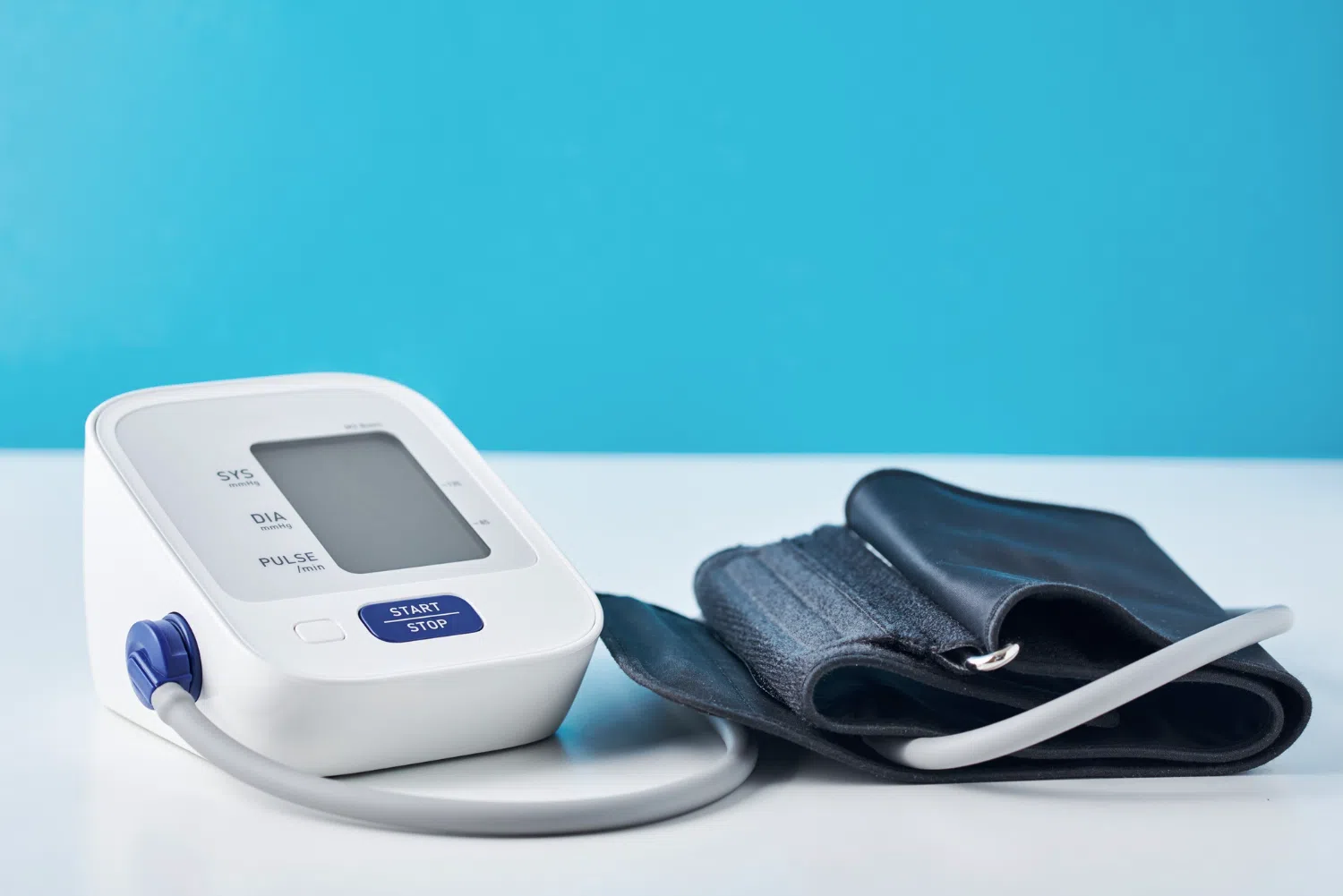
What Is a Blood Pressure Testing Machine?
A blood pressure testing machine is a device designed to measure blood pressure using an inflatable cuff and an appropriate measurement system.
Many home devices use electronic technology to measure and display blood pressure digitally.
A blood pressure testing machine may be available in different forms, including automatic upper-arm monitors, wrist devices, and manual equipment.
The operating process and positioning requirements can vary between models.
Users should therefore read the manufacturer's information for the exact device they are considering rather than assuming that all blood pressure machines operate identically.
Why Use Blood Pressure Testing Equipment at Home?
Blood pressure is not necessarily constant throughout the day.
Activity, rest, stress, caffeine, and other circumstances can influence individual readings.
When home monitoring has been recommended by a healthcare professional, repeated measurements may provide useful information about a person's blood pressure pattern.
A blood pressure monitoring machine can make this routine more convenient.
However, home monitoring should complement professional care. A blood pressure testing machine provides measurements but does not independently diagnose a medical condition.
Start With the Intended User
The person who will use the blood pressure testing machine should influence the choice.
A device for an older adult may need particularly simple controls and a clear display. A person who records readings frequently may value memory functions.
Before choosing equipment, consider:
Who will use the machine?
How often will measurements be taken?
Will the user operate it independently?
Will a caregiver assist?
Is portability important?
What cuff size is required?
Are stored readings useful?
Answering these questions can help identify the features that actually matter.
Cuff Selection Should Come First
The cuff is an essential part of the measurement system.
When selecting a blood pressure testing machine, check the manufacturer's recommended cuff range and confirm that it suits the intended user.
A blood pressure cuff should also be positioned according to the manufacturer's instructions.
Incorrect cuff size or positioning can affect the usefulness of the measurement.
If purchasing a replacement cuff, verify compatibility with the exact monitor model. Avoid assuming that a cuff from another device will work correctly.
Automatic and Manual Blood Pressure Machines
A blood pressure testing machine may use an automatic or manual measurement method.
An automatic device electronically controls cuff inflation and performs the measurement.
A manual blood pressure machine requires a different technique and appropriate user knowledge.
For many people monitoring blood pressure at home, automatic operation may be more convenient. However, the best choice depends on the intended user's circumstances and any professional advice provided.
The important factor is whether the user can operate the selected device correctly.
Consider an Electronic Blood Pressure Monitor
An electronic blood pressure monitor can display blood pressure results digitally after completing a measurement.
This can make the result easier to review than a manually read pressure gauge.
When comparing an electronic device, check:
Display readability
Control layout
Cuff compatibility
Measurement features
Memory
Power source
Accessories
A digital display can improve convenience, but users should still follow the manufacturer's preparation and measurement instructions.
Check the Display Carefully
A blood pressure testing machine may be used frequently, so the result should be easy to read.
Consider:
Size of the numbers
Screen layout
Visibility of systolic and diastolic readings
Pulse display
Additional indicators
Control buttons
For older adults or users with vision difficulties, readability can be particularly important.
A digital blood pressure monitor should present the information in a format that the intended user can understand comfortably.
Memory Can Help With Long-Term Tracking
Some blood pressure devices can store previous readings.
This can be useful when a healthcare professional has recommended regular monitoring and wants to review changes over time.
When comparing a blood pressure testing machine, check whether it provides:
Reading memory
Multiple-user storage
Date and time records
Easy access to previous results
Compatible connected features
Memory can reduce the need to write down every reading manually, although users should follow the recording method recommended by their healthcare professional.
Consider Power Requirements
The power arrangement can influence everyday convenience.
Depending on the model, a blood pressure testing machine may use batteries, an adapter, rechargeable power, or another manufacturer-specified system.
Before purchasing, check:
Battery type
Replacement requirements
Charging arrangements
Adapter compatibility
Expected operating environment
Travel requirements
If the device will be used away from home, make sure the complete power setup is practical to transport.
Portability and Storage
Some users may need to carry their blood pressure equipment between locations.
A portable blood pressure machine can be convenient when mobility matters.
However, portability should not be evaluated by size alone.
Consider the complete setup, including the monitor, cuff, power accessories, storage requirements, and operating instructions.
A compact blood pressure testing machine is useful only if it remains appropriate for the intended monitoring routine.
What Does “Accurate” Mean?
People often search for the most accurate bp monitor when choosing home equipment.
Accuracy is important, but the device is only one part of the measurement process.
Correct cuff selection, preparation, positioning, remaining still during measurement, and following the manufacturer's instructions can all influence the usefulness of a reading.
If a healthcare professional has recommended a particular validated device or monitoring approach, follow that recommendation.
Users should not assume that a product is suitable simply because an online listing describes it as “most accurate.”
Buying a Blood Pressure Testing Machine Online
Online purchasing can make it easier to compare different models.
When researching a blood pressure testing machine online, verify the exact product information before ordering.
Check:
Exact model
Intended use
Cuff specifications
Measurement method
Display
Memory
Power requirements
Included accessories
Manufacturer information
Warranty and support
Avoid choosing medical equipment solely because it has the lowest advertised price.
Compare Price With the Complete Product
Price is naturally an important consideration.
However, a blood pressure machine price should be considered alongside the product's specifications.
Compare:
Monitor type
Cuff
Display
Memory
Power options
Accessories
Portability
Manufacturer support
A lower-priced machine may not provide the features required by the intended user.
A more expensive model may also include functions that are unnecessary.
The objective is to find the right balance between cost and suitability.
Maintenance and Storage
A blood pressure testing machine should be cared for according to the manufacturer's instructions.
Follow recommendations for:
Cleaning
Cuff handling
Storage
Battery replacement
Cable or adapter care
General inspection
Protect the equipment from unnecessary moisture, excessive heat, and physical damage.
If the machine stops working correctly, consult the manufacturer's troubleshooting information or support service.
Do not attempt an unauthorised repair.
Building a Consistent Monitoring Routine
Choosing a suitable blood pressure testing machine is only the first step.
If home monitoring has been recommended, use the device according to the schedule provided by your healthcare professional.
Follow the manufacturer's instructions for preparation and cuff placement.
When appropriate, record the date, time, blood pressure reading, and any other information your healthcare professional has requested.
Avoid drawing conclusions from one isolated result.
If repeated readings concern you, discuss them with an appropriate healthcare professional.
Why Review OMRON Brand Shop?
When comparing a blood pressure testing machine, the OMRON Brand Shop blood pressure monitors category provides a place to review available models and their product information.
Users can compare relevant specifications such as:
Device type
Cuff compatibility
Display
Memory
Power requirements
Accessories
Intended use
Rather than choosing a product solely because it appears in a generic ranking, compare the exact model with the needs of the intended user.
When Professional Guidance Matters
A home blood pressure testing machine is a monitoring tool.
It does not replace professional assessment, diagnosis, or treatment.
Do not start, stop, or change prescribed medication based solely on readings from a home device.
If readings are repeatedly concerning, discuss them with your healthcare professional.
If severe or urgent symptoms occur, seek appropriate medical attention instead of relying only on home blood pressure equipment.
Conclusion
Choosing a blood pressure testing machine for routine monitoring requires attention to more than price.
Cuff compatibility, measurement method, display readability, memory, power requirements, portability, accessories, maintenance, and manufacturer support can all affect everyday usability.
An electronic or automatic device may be convenient for many home users, while different users may have different requirements.
Before buying, review the exact product specifications and choose equipment that the intended user can operate correctly and consistently.
Most importantly, follow the manufacturer's instructions and any monitoring guidance provided by your healthcare professional. Home measurements can provide useful information, but professional healthcare remains essential for interpreting readings and making treatment decisions.
Frequently Asked Questions
What is a blood pressure testing machine?
It is a device designed to measure blood pressure using an inflatable cuff and a suitable measurement system.
Is a blood pressure testing machine suitable for home use?
Many models are designed for home monitoring. Suitability depends on the specific device, intended user, cuff requirements, and monitoring routine.
Why does cuff size matter?
The cuff should be appropriate for the intended user's arm and compatible with the particular monitor. Follow the manufacturer's specified range and positioning instructions.
Is an electronic blood pressure monitor convenient?
Electronic monitors can be convenient because they display measurements digitally and may automate parts of the measurement process.
Should I choose a blood pressure testing machine based only on price?
No. Compare price with specifications, cuff compatibility, usability, accessories, portability, and manufacturer support.
Can home blood pressure equipment replace professional care?
No. Home monitoring can support healthcare but does not replace professional assessment or treatment.
Contact OMRON
Website: OMRON Brand Shop
Contact Us: Contact OMRON
Email: callcentre@omron.com
Call Centre: 1800-419-0492