Choosing a scale for regular body-weight measurement may appear simple, but different products can offer different specifications, displays, capacities, and additional functions.
People searching for the best weighing machine for body weight should therefore look beyond product rankings and focus on what makes a particular model practical for the intended user.
A suitable home scale should be easy to operate, appropriate for the user's expected weight range, and capable of providing the information the user actually needs.
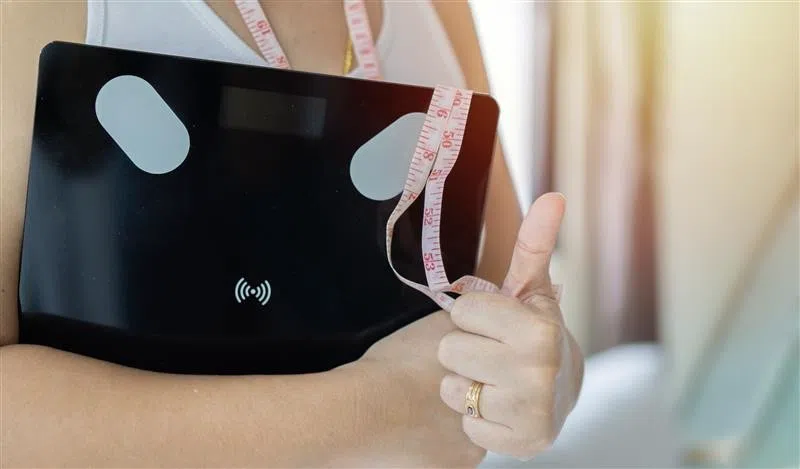
What Does “Best” Mean for a Body-Weight Scale?
There is no single weighing machine that is automatically best for every household.
One user may want a simple scale that only measures body weight. Another may prefer additional body-composition information.
The right choice depends on:
Intended user
Weight capacity
Display readability
Measurement functions
Ease of operation
Storage requirements
Power arrangement
Manufacturer information
The word “best” should therefore be understood as “best suited to the user's requirements.”
Start With the Main Purpose
If the primary goal is to monitor body weight, a straightforward weighing scale for body weight may be sufficient.
Before purchasing, consider how the device will actually be used.
Will one person use it?
Will several family members use the same scale?
Will it be used occasionally or as part of regular monitoring?
Answering these questions can help narrow down the required features.
Check the Supported Weight Range
Maximum capacity is an important specification.
The user's expected weight should fall within the manufacturer's specified operating range.
If several people will use the same scale, consider the requirements of all intended users before purchasing.
Capacity should be checked for the exact model rather than assumed from the appearance or general description of the product.
Using equipment within its stated specifications helps support appropriate operation.
Consider Display Readability
A weighing machine is only useful if the person using it can comfortably understand the displayed result.
When comparing models, review the display design and measurement presentation.
Consider whether:
Numbers are easy to read
Measurement units are clearly shown
The result remains visible long enough to understand
The display is suitable for the intended user
A clear display can make everyday weight monitoring simpler, particularly for people who may find small digital numbers difficult to read.
Think About Everyday Usability
The best scale for one person may not be the best for another.
A household weighing machine should be practical for the people who will use it.
Consider:
Ease of stepping onto the platform
Ease of reading the measurement
Storage convenience
Cleaning requirements
Setup requirements
Operating instructions
A product with fewer features may sometimes be more practical than one with many functions that the user does not need.
Do You Need Body Composition Measurements?
Some users want information beyond body weight.
A body composition scale may provide additional measurements depending on the model.
Before choosing such a device, understand exactly what it measures.
Body-composition information should not automatically be interpreted as a complete assessment of health.
Measurements can also vary according to the conditions under which they are taken.
Users should follow the manufacturer's instructions and consider longer-term trends rather than drawing conclusions from a single measurement.
Basic Scale vs Additional Features
A basic weighing machine may be suitable when the user's only requirement is body-weight measurement.
Additional features may be useful when the user has a specific reason for wanting them.
For example, someone interested in monitoring body-composition trends may consider a model with additional measurements.
However, extra features should not be treated as automatically better.
The selection should begin with the user's actual needs.
Consider the Measurement Units
Different users may prefer different measurement units.
Before purchasing, check how the selected scale displays weight and whether the available units are appropriate for the intended use.
This is a small detail, but it can affect everyday convenience.
Always verify the exact specifications of the model rather than assuming that every digital scale offers the same settings.
Where Should a Home Scale Be Used?
The location of the weighing machine can influence how convenient it is to use.
Follow the manufacturer's instructions regarding placement and operating conditions.
The scale should be used in an environment appropriate for the product.
Users should not assume that every floor surface or location will produce identical results.
If the manufacturer provides specific placement instructions, those instructions should take priority.
Understand Natural Weight Fluctuations
A home scale provides a measurement at a particular point in time.
Body weight can naturally change because of everyday factors such as food, fluid intake, activity, clothing, and other circumstances.
For this reason, users should avoid interpreting every small change as a major development.
If weight is being monitored as part of a broader health or weight-management plan, longer-term patterns may provide more useful context than individual readings.
Choosing a Scale for Weight Management
A scale may be used as one part of a broader weight-management approach.
The measurement can help a person observe changes, but it does not explain why those changes occurred.
Food intake, activity, sleep, lifestyle, and individual health circumstances can all be relevant.
A scale should therefore support awareness rather than become the sole basis for decisions about health or diet.
If a healthcare professional has provided specific guidance, follow that guidance when interpreting weight measurements.
What About Accuracy?
People often search for the “best” scale because they want accurate measurements.
However, the quality of a reading can depend on more than the device itself.
The scale should be used according to the manufacturer's instructions.
Users should also check that:
The device is within its stated capacity
The setup is correct
The scale is positioned as instructed
The measurement process is followed consistently
If unexpected measurements continue, review the manufacturer's troubleshooting information before assuming the scale is defective.
Compare the Complete Product
When comparing weighing scale price, consider the entire product rather than the headline price.
Review:
Capacity
Display
Measurement functions
Accessories
Power requirements
Warranty
Manufacturer support
A lower-priced product may be suitable if it meets the user's needs.
Likewise, a more expensive model is not necessarily a better choice if its additional functions are unnecessary.
Buying a Body-Weight Scale Online
When purchasing online, verify the exact model before placing an order.
Check the product page for:
Product name
Maximum capacity
Measurement functions
Display information
Power requirements
Included accessories
Warranty details
Manufacturer information
Avoid choosing a product solely because a listing describes it as “best” or “most accurate.”
Product specifications provide a more useful basis for comparison.
When Additional Professional Guidance Is Useful
A weighing machine is designed to provide measurements, not a medical diagnosis.
If a person's weight changes unexpectedly or there are concerns about weight, nutrition, or general health, appropriate professional guidance can help interpret the situation.
Users should avoid making extreme dietary or health decisions based only on readings from a home scale.
The device can support monitoring, while broader health decisions should be made with appropriate context.
Choosing an OMRON Weighing Scale
People comparing body-weight measurement products can review available models through the OMRON Brand Shop weighing scale category.
Before purchasing, review the specifications of the exact model and consider whether its features match the intended use.
A product should be selected based on practical requirements rather than a generic ranking.
Conclusion
Finding the best weighing machine for body weight starts with understanding what the user actually needs.
Check the supported weight range, display, measurement functions, operating requirements, placement instructions, and manufacturer support.
A simple scale may be enough for basic body-weight tracking, while users who need additional information can consider a body composition scale after reviewing its specific functions and limitations.
Most importantly, treat the scale as a monitoring tool rather than a complete measure of health.
A practical device that the user understands and can operate correctly is often more useful than a product selected simply because it has more features.
Frequently Asked Questions
What is the best weighing machine for body weight?
The best option depends on the user's requirements, including capacity, display, measurement functions, ease of use, and manufacturer specifications.
Is a basic weighing scale enough for home use?
For users who only want to monitor body weight, a basic scale may be sufficient. Additional features are useful only when they meet a specific need.
Should I buy a body composition scale instead?
A body composition scale may provide additional measurements, but it is not automatically better. Review the exact functions and limitations before choosing one.
Does a higher price mean a better weighing machine?
Not necessarily. Compare the complete specifications, features, warranty, support, and intended use rather than relying only on price.
Where can I compare OMRON weighing scales?
Available products can be reviewed through the OMRON Brand Shop weighing scale category.
Contact OMRON
Website: OMRON Brand Shop
Contact Us: Contact OMRON
Email: callcentre@omron.com
Call Centre: 1800-419-0492