Participating in sports and physical activities offers numerous benefits, but it also comes with the risk of injuries. Understanding the most common sports injuries is essential for athletes, coaches, and enthusiasts alike. This comprehensive guide delves into prevalent sports injuries, their causes, prevention strategies, and steps for a safe and effective recovery.
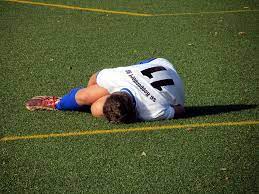
- Sprains and Strains: Among the most prevalent sports injuries, sprains and strains top the list. A sprain occurs when ligaments are stretched or torn, while strains involve damage to muscles or tendons. Overuse, inadequate warm-up, and poor technique can lead to these injuries. Regular stretching, proper warm-ups, and balanced training routines can significantly reduce the risk.
- Concussions: Concussions are a growing concern in contact sports like football and soccer. A blow to the head causes the brain to move inside the skull, resulting in symptoms like dizziness, confusion, and memory problems. Adhering to safety guidelines, wearing protective gear, and undergoing appropriate medical evaluation after head injuries are crucial preventive measures.
- Torn Ligaments (ACL Tear): An anterior cruciate ligament (ACL) tear is common among athletes who engage in sports involving sudden stops and changes in direction, such as basketball and soccer. Proper training techniques, strengthening exercises, and using proper footwear can help reduce the likelihood of this serious knee injury.
- Shin Splints: Shin splints, characterized by pain along the shin bone, are often seen in runners and those involved in high-impact sports. Inadequate footwear, running on hard surfaces, and sudden increases in intensity can contribute. Gradually increasing training intensity, wearing supportive shoes, and incorporating cross-training can minimize the risk.
- Stress Fractures: Stress fractures are small cracks in bones due to repeated impact. Athletes who engage in high-impact sports, particularly runners, dancers, and gymnasts, are susceptible. Adequate rest, proper nutrition, and gradual progression in training intensity can prevent these fractures.
- Tennis/Golfer's Elbow: Tennis elbow (lateral epicondylitis) and golfer's elbow (medial epicondylitis) involve inflammation of the tendons in the forearm. Overuse and improper technique contribute to these injuries. Maintaining proper form, using appropriate equipment, and incorporating strength and flexibility exercises can mitigate the risk.
The world of sports offers excitement and rewards, but athletes must be mindful of the risks associated with common injuries. By staying informed about these injuries' causes, symptoms, and prevention methods, athletes can better protect themselves and continue enjoying their chosen activities. Prioritizing proper training techniques, using appropriate protective gear, and listening to one's body are crucial steps toward preventing injuries and ensuring a safe and fulfilling athletic journey.